Secondary Operations
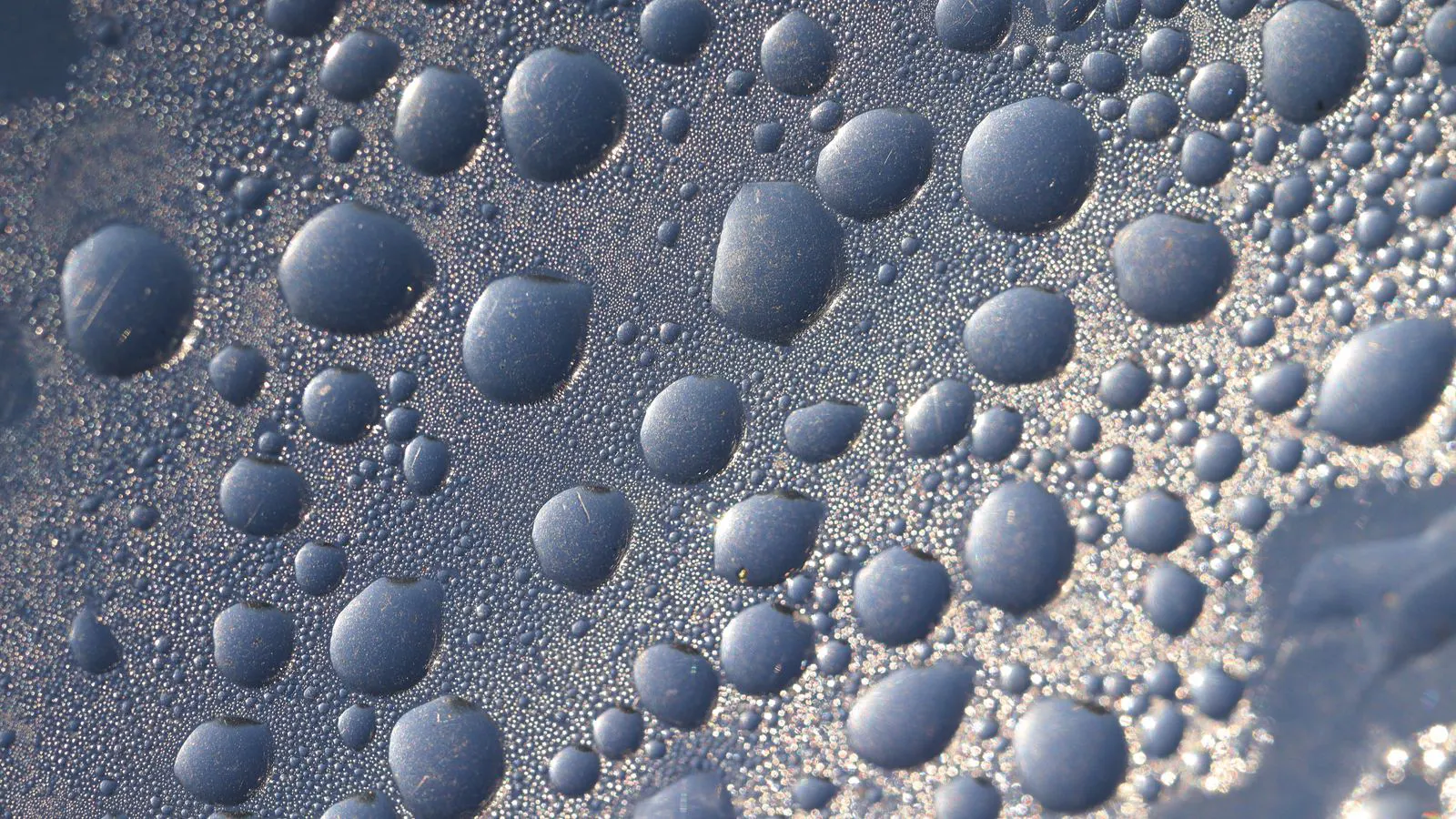
Troubleshooting: Porosity in Die Cast Plating Parts
Porosity in die casting plating parts usually comes from gas entrapment, poor casting, or inadequate pre-treatment. This guide lists common symptoms, likely causes, and
Overviews of machining, finishing, and post-casting processes to meet final part specs.
Porosity in die casting plating parts usually comes from gas entrapment, poor casting, or inadequate pre-treatment. This guide lists common symptoms, likely causes, and
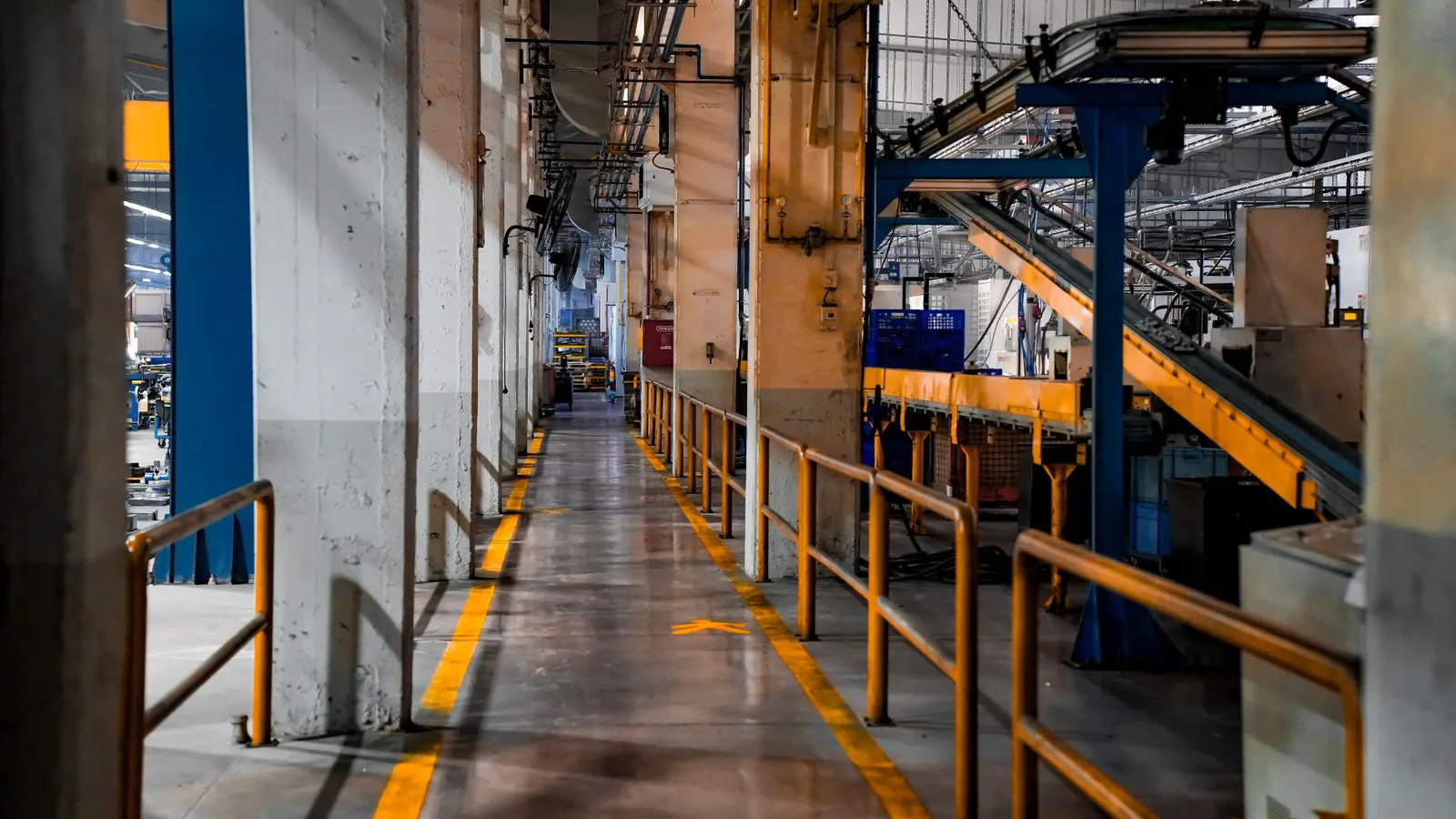
Automation is reshaping post casting operations by reducing manual variance and increasing throughput in die casting finishing and machining. Buyers should plan for
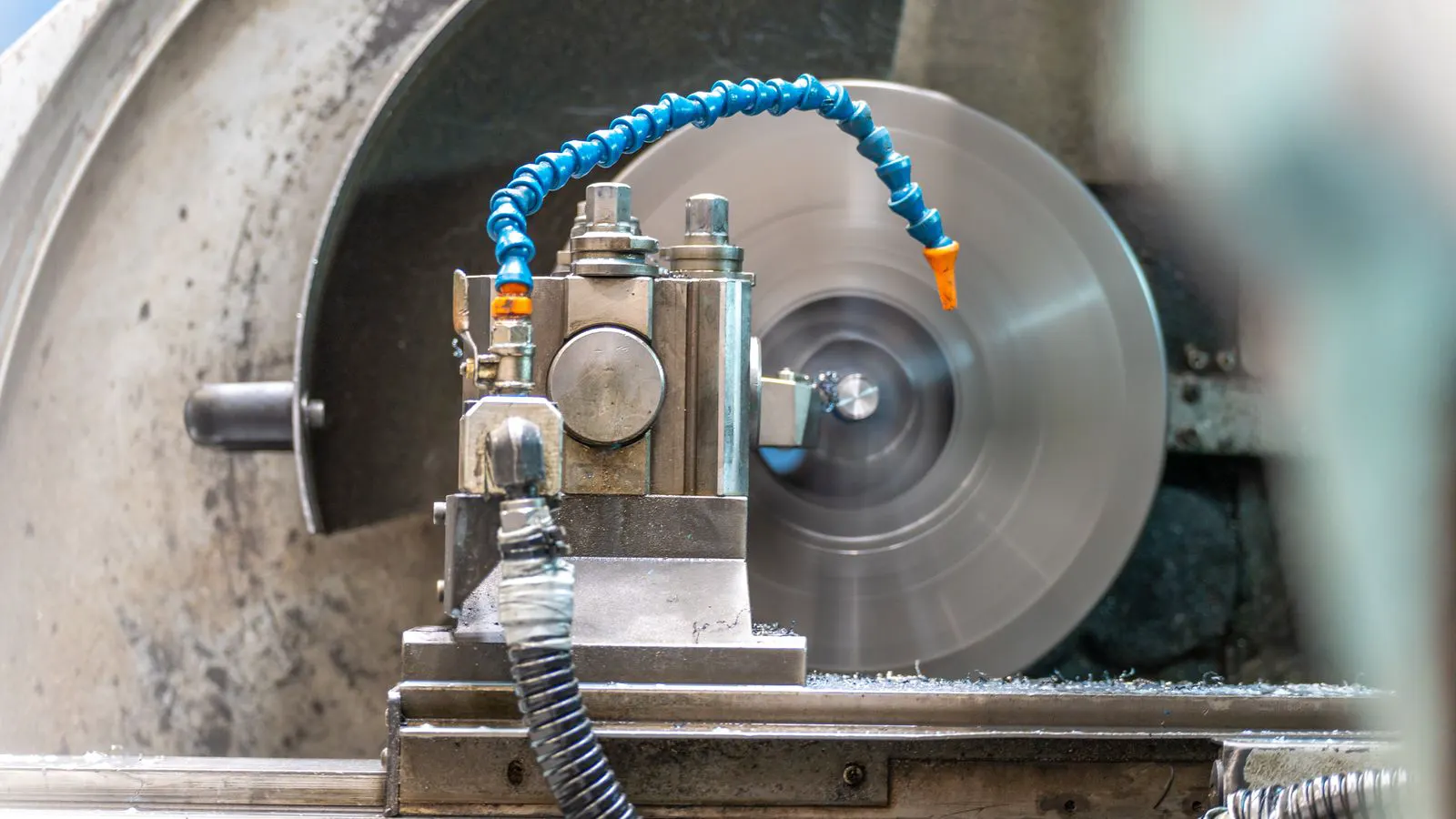
Die casting machining and grinding serve different purposes in secondary finishing. Machining removes material for precise dimensions, while grinding improves surface
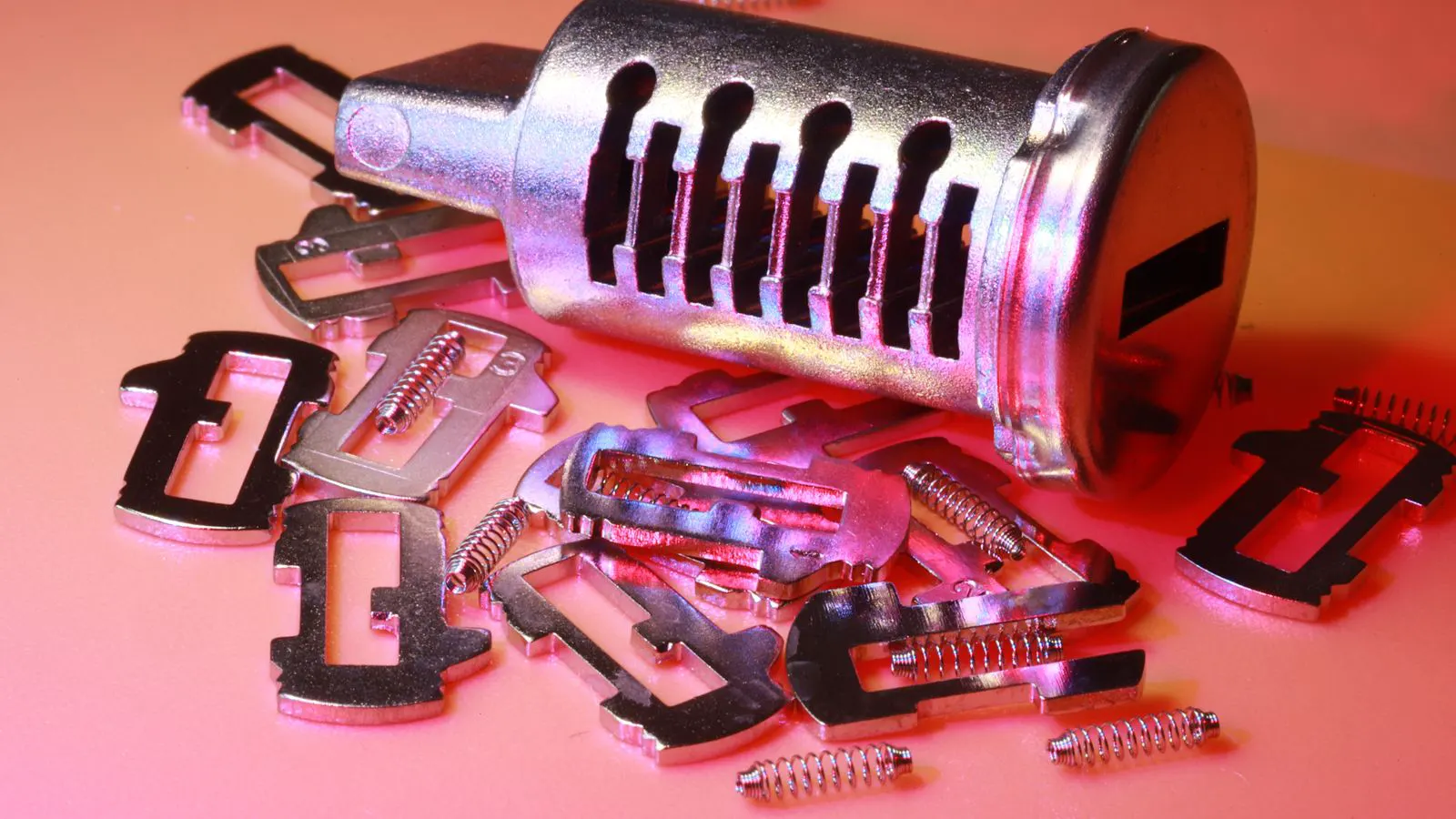
Die casting plating and electroplating both add metallic coatings to zinc alloy parts. The difference lies in the process method, chemical composition, and final surface
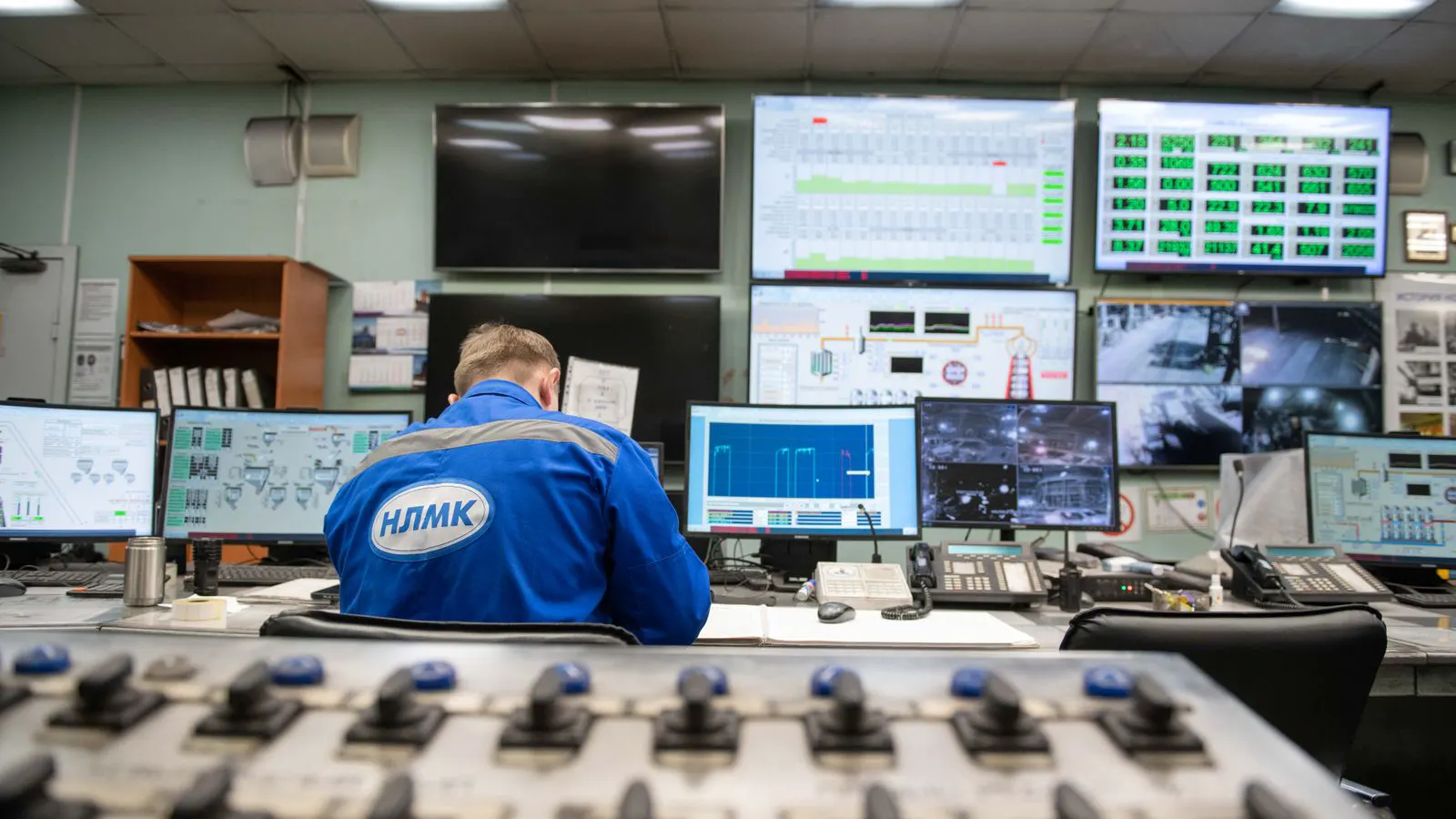
Specify surface finish by defining Ra values, flatness, and critical features. Use clear drawings, material notes, and inspection methods to ensure die casting finishing
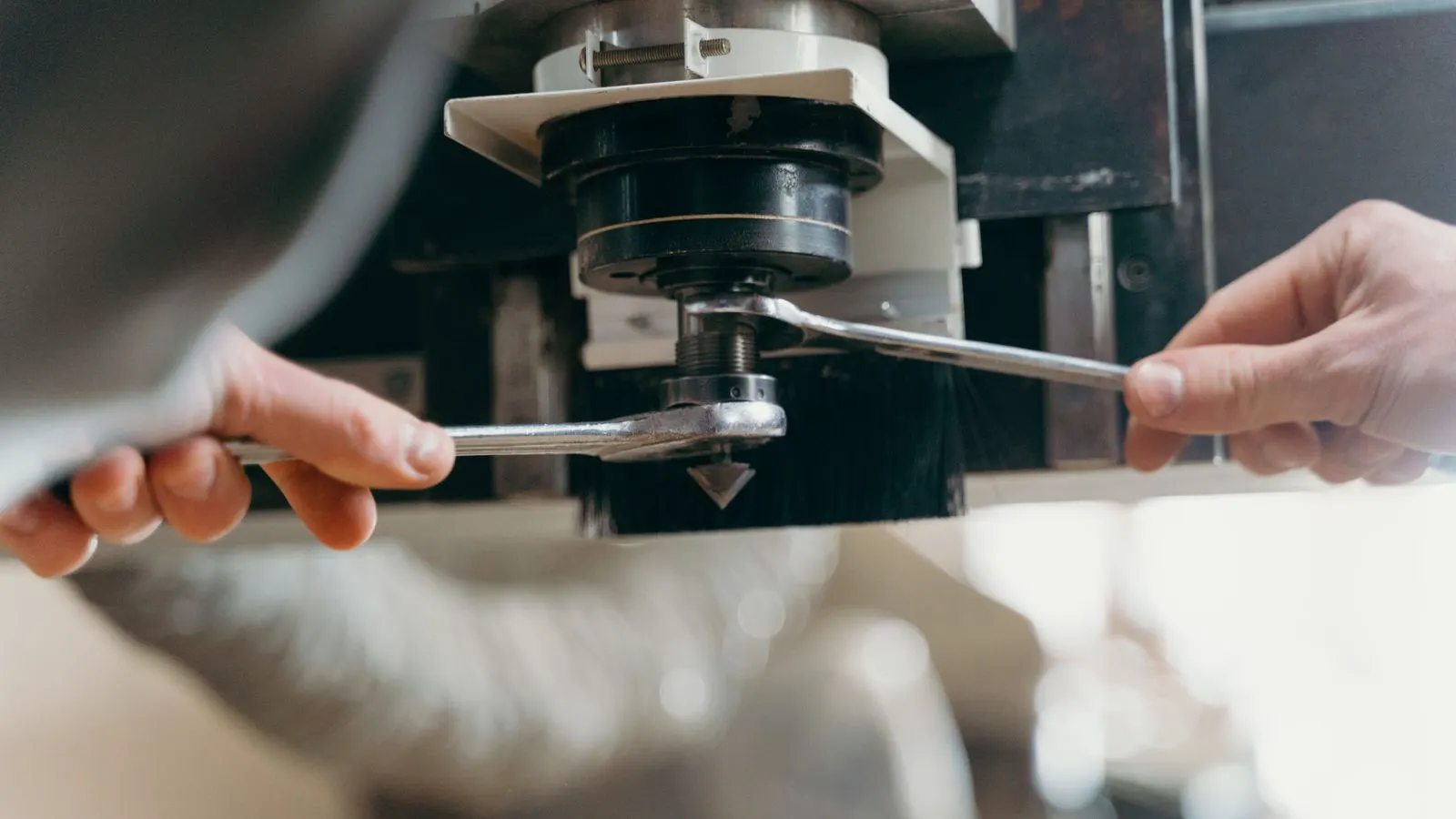
Use a structured evaluation process to find machining suppliers that handle die casting parts correctly. Check tooling, tolerances, and post casting sourcing

Verify secondary supplier capabilities by checking equipment, process controls, documentation, and inspection methods. This checklist helps buyers confirm that post
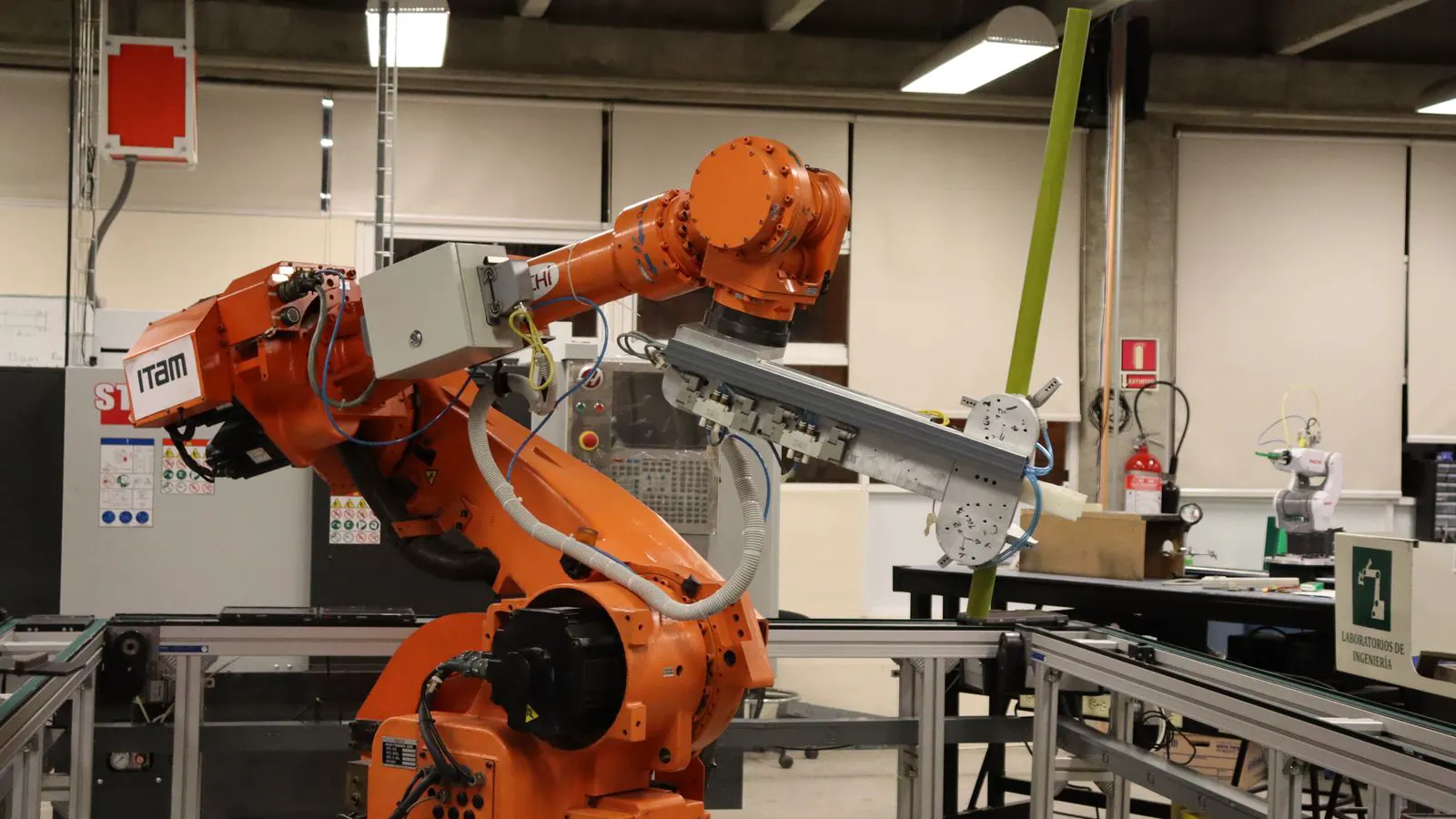
Secondary die casting operations are shifting toward automated inspection, robotic finishing, and data-driven process control. Buyers should plan for integrated
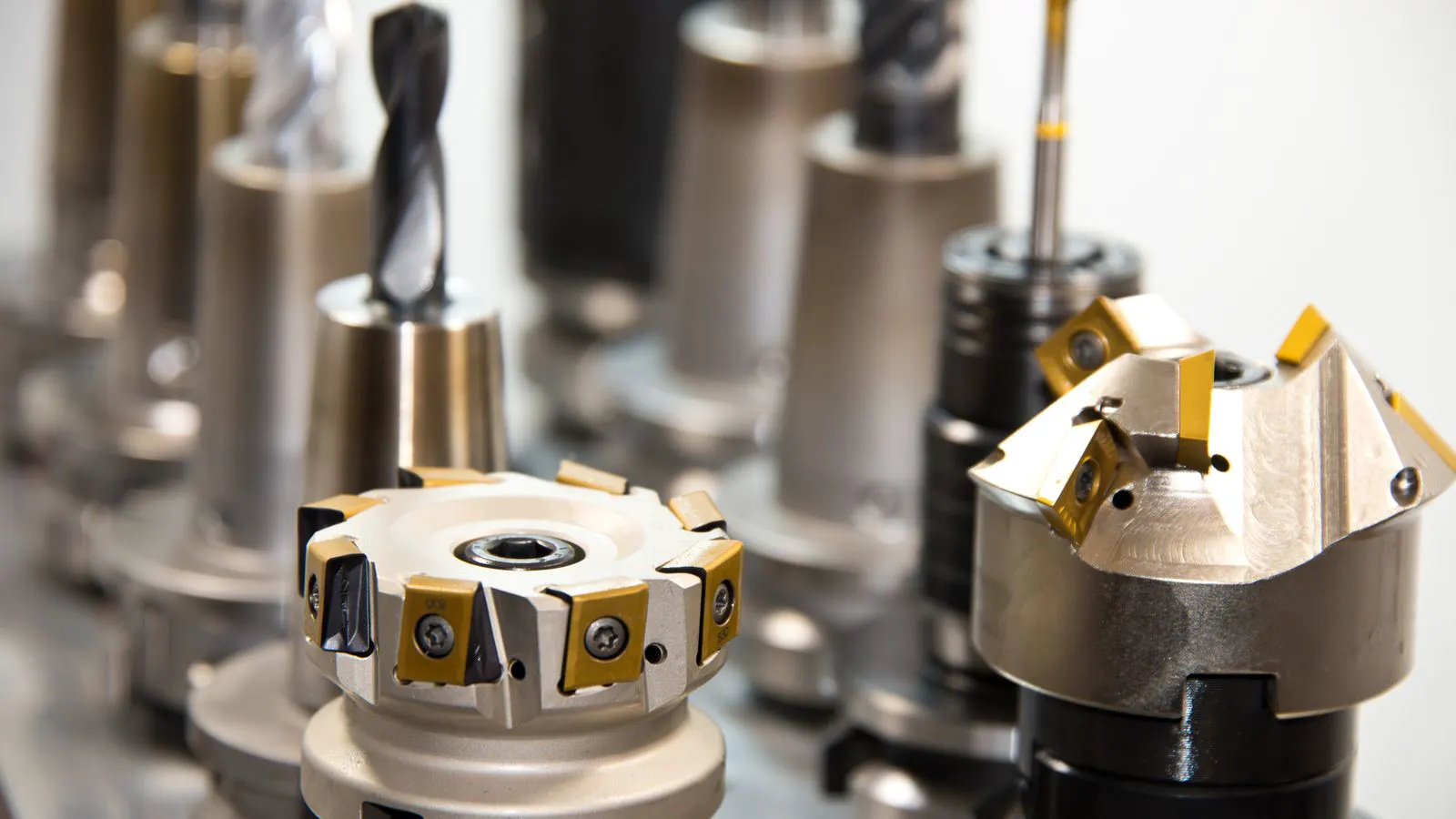
Die casting finishing includes plating, machining, and coating steps that add cost and lead time. Understanding these post casting operations helps buyers compare
Adhesion failure in die casting plating usually stems from inadequate cleaning, chemical contamination, or poor surface preparation. This guide identifies common
Specify die casting machining tolerances by matching tolerances to casting material behavior, fixture capability, and inspection methods. This guide walks engineers

Automated inspection is moving from end line checks to in-line quality control. Buyers should plan for sensor upgrades, data integration, and new skill requirements to