
Porosity & Quality
Buyers Guide: Selecting a Porosity Testing Lab
A reliable die casting porosity testing lab should verify equipment calibration, align reports with accepted standards, and provide clear defect analysis. Buyers should
Root causes and prevention of porosity, shrinkage, and other common die casting defects.
A reliable die casting porosity testing lab should verify equipment calibration, align reports with accepted standards, and provide clear defect analysis. Buyers should
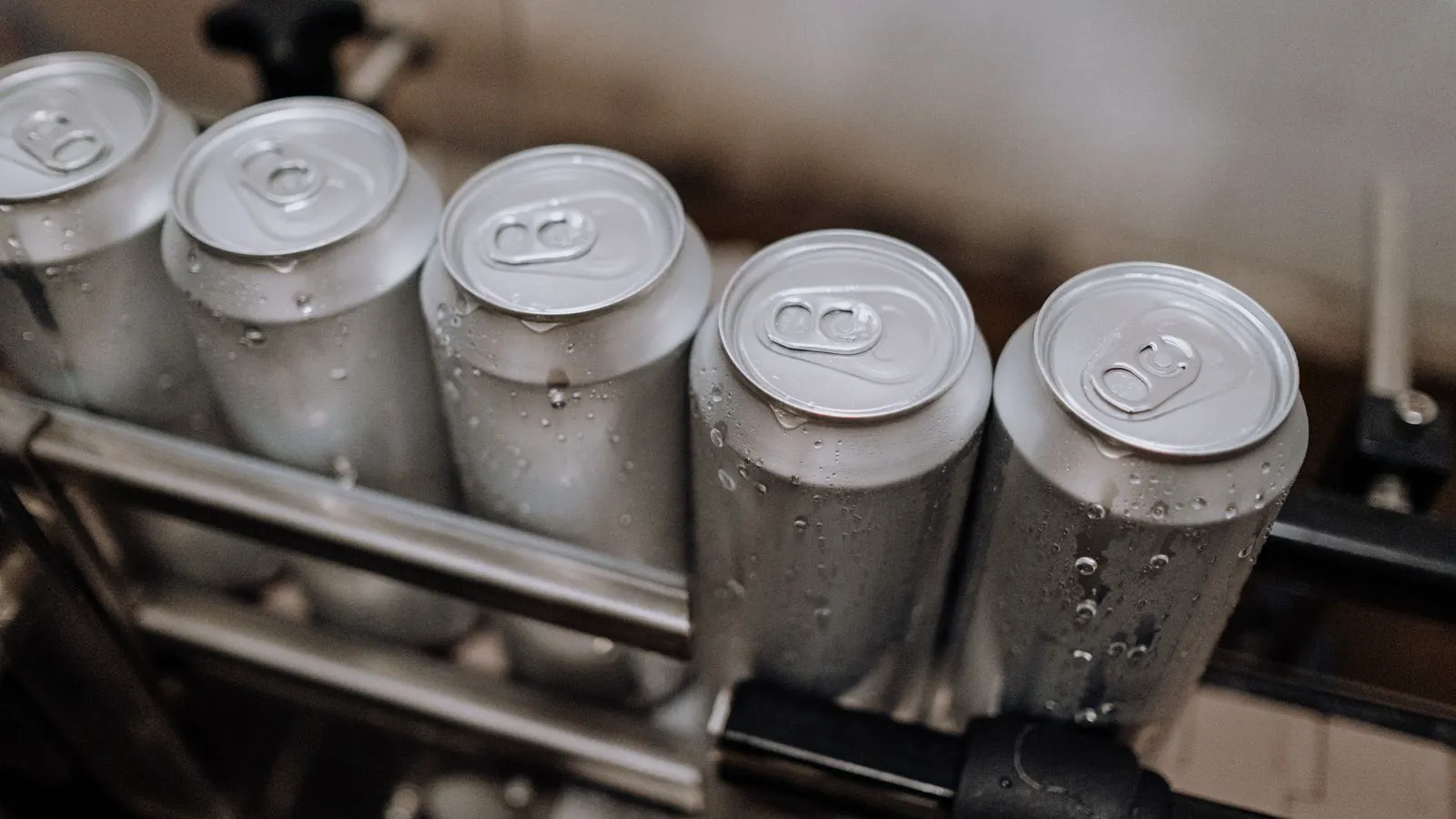
High-speed aluminum die casting porosity appears as internal voids caused by trapped gas, insufficient venting, or rapid solidification. This guide lists symptoms
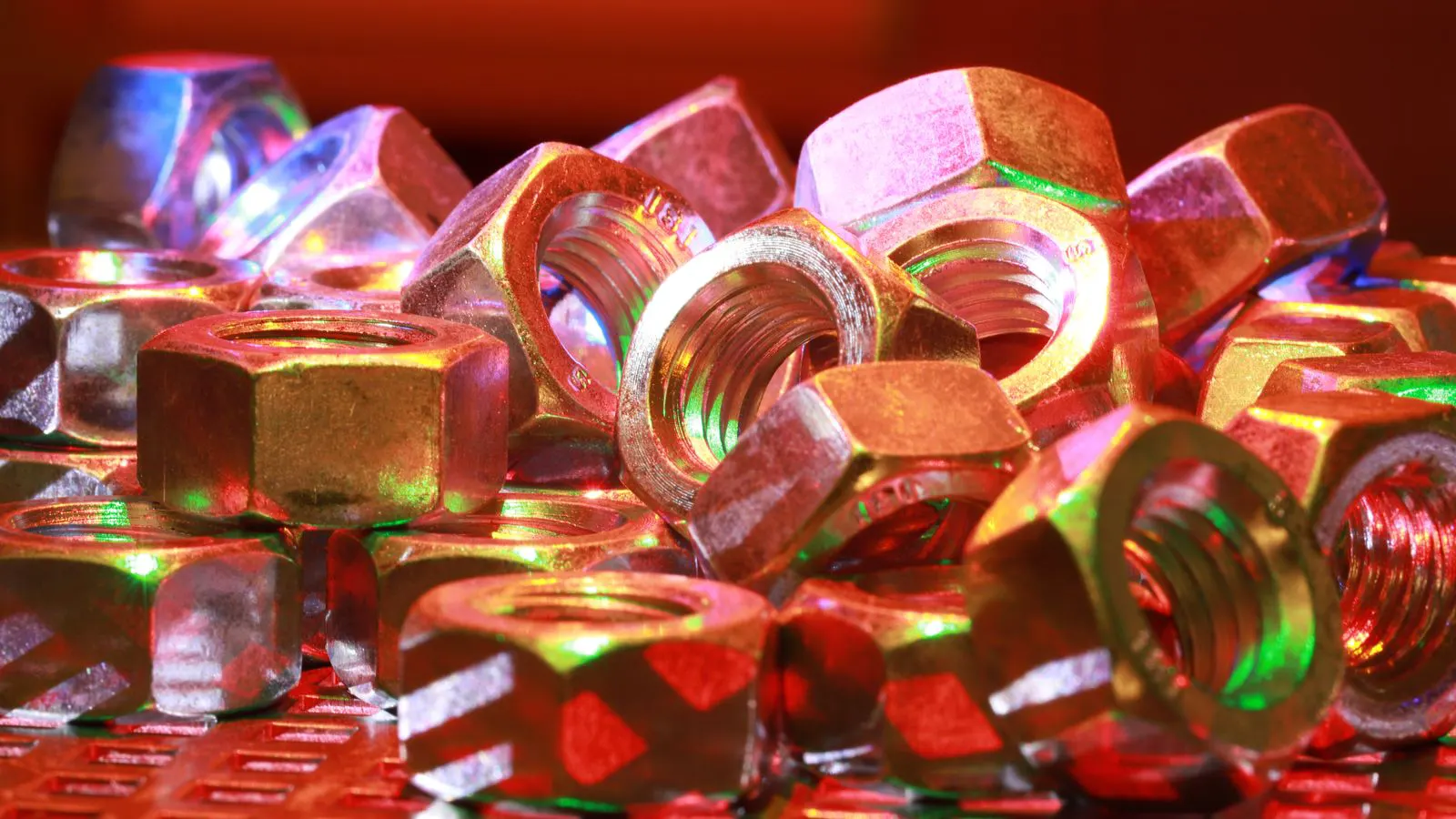
Consistent melt temperature prevents gas entrapment and shrinkage voids. This guide covers setting parameters, monitoring methods, and troubleshooting steps to keep gas

Die casting in-die monitoring is moving from end-of-line inspection to live sensor integration. Buyers should plan for real-time defect detection, automated rejection

Proper venting design reduces shrinkage porosity by directing molten metal flow and allowing trapped gas to escape. This guide explains the mechanical relationship
Automated porosity detection is moving from manual X-ray sampling to continuous AI-driven inspection. Buyers should expect higher throughput, tighter acceptance windows
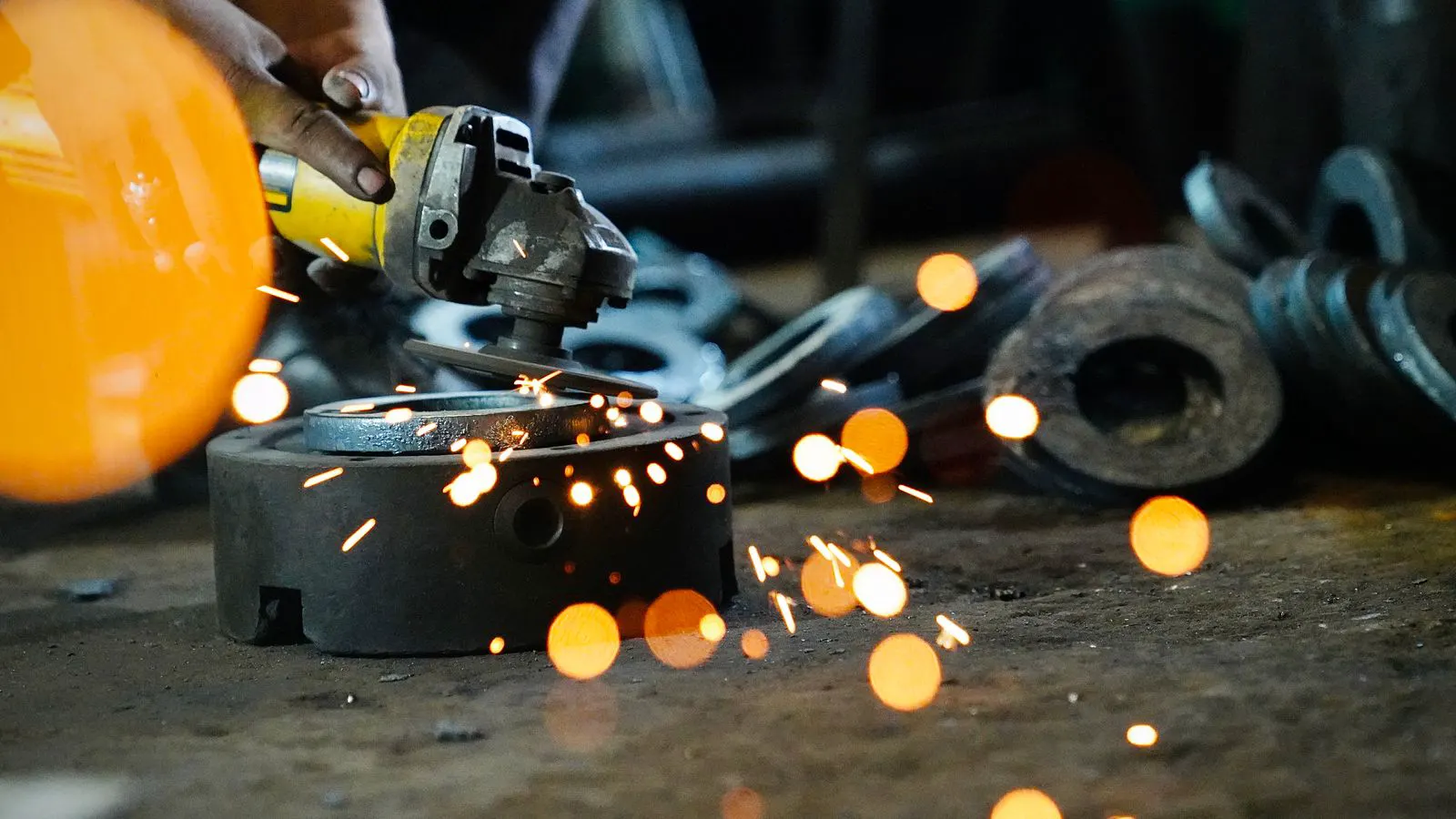
Shrinkage and gas porosity are distinct die casting defects. Shrinkage forms during cooling as metal contracts, while gas porosity results from trapped air or hydrogen.

Selecting die casting inspection labs requires checking lab capabilities, material experience, reporting standards, and turnaround time. This guide helps buyers vet
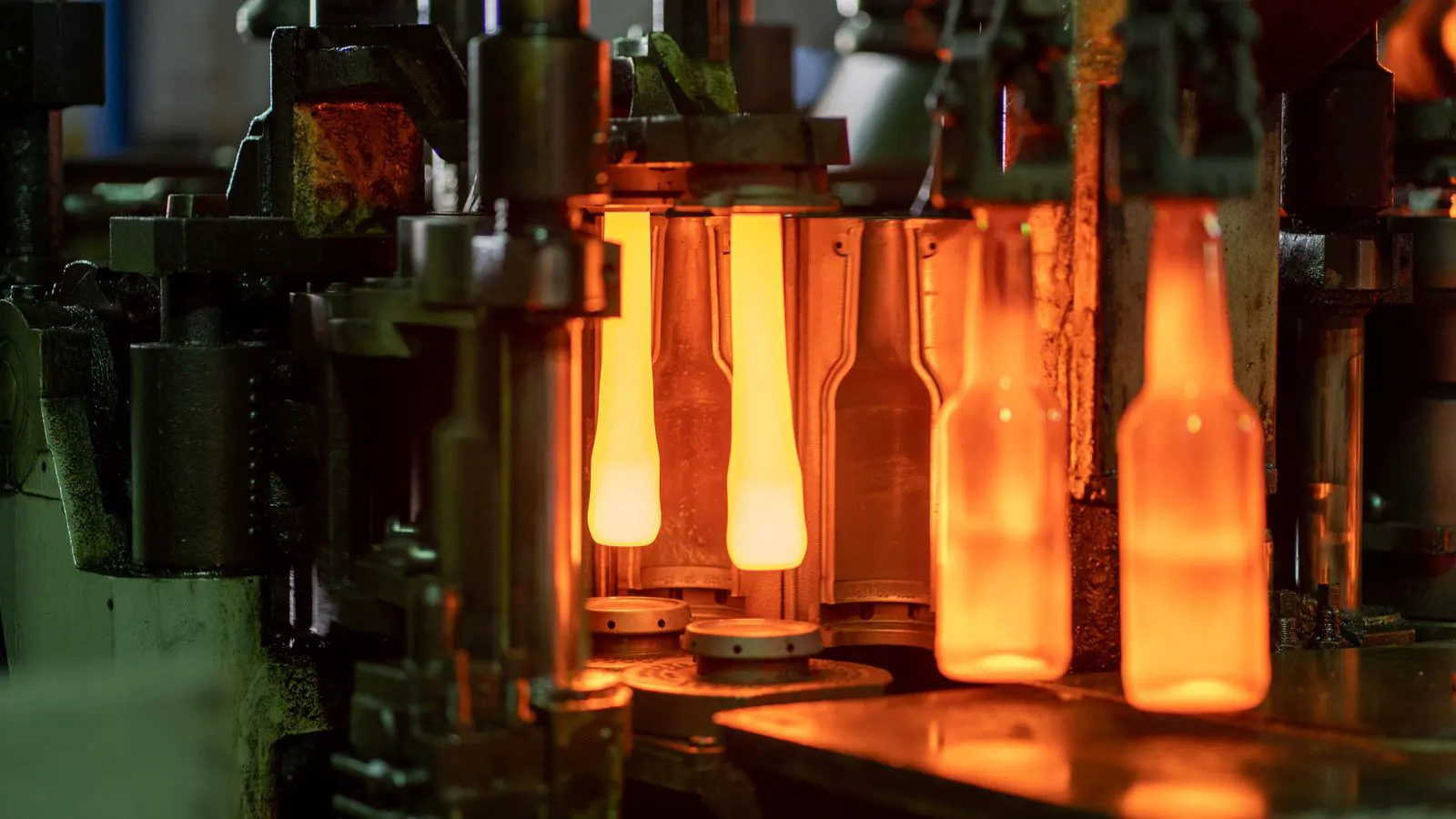
Sudden zinc die casting porosity usually stems from trapped gas, moisture in the melt, or machine faults. Identify the defect location, check melt temperature, and
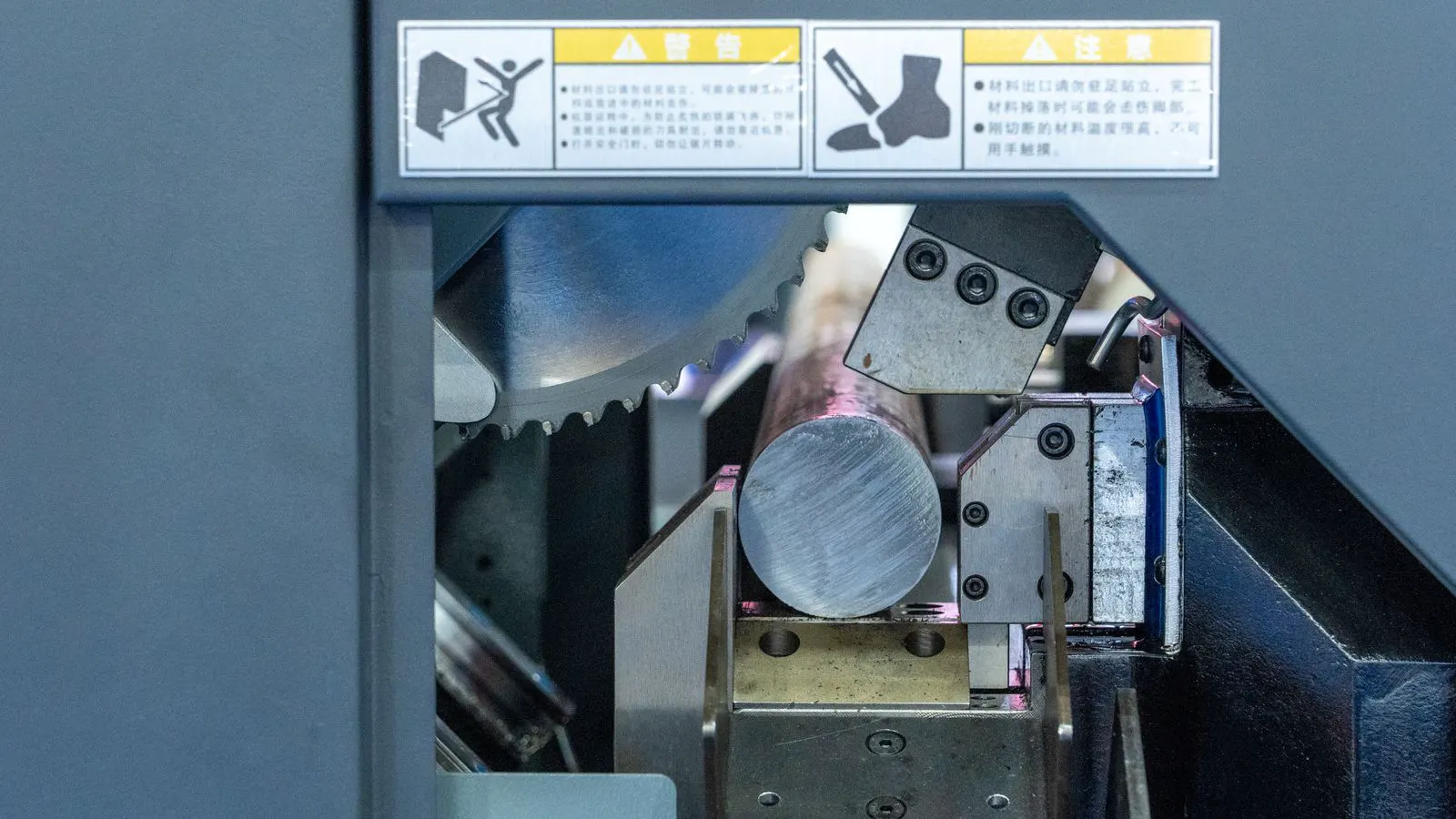
Choose X-ray, ultrasonic, or destructive methods based on part geometry, acceptance criteria, and batch size. Each die casting porosity testing approach has distinct

Estimating die casting porosity cost requires tracking raw material value, rework labor, and lost production time. A clear ROI model compares these direct losses against
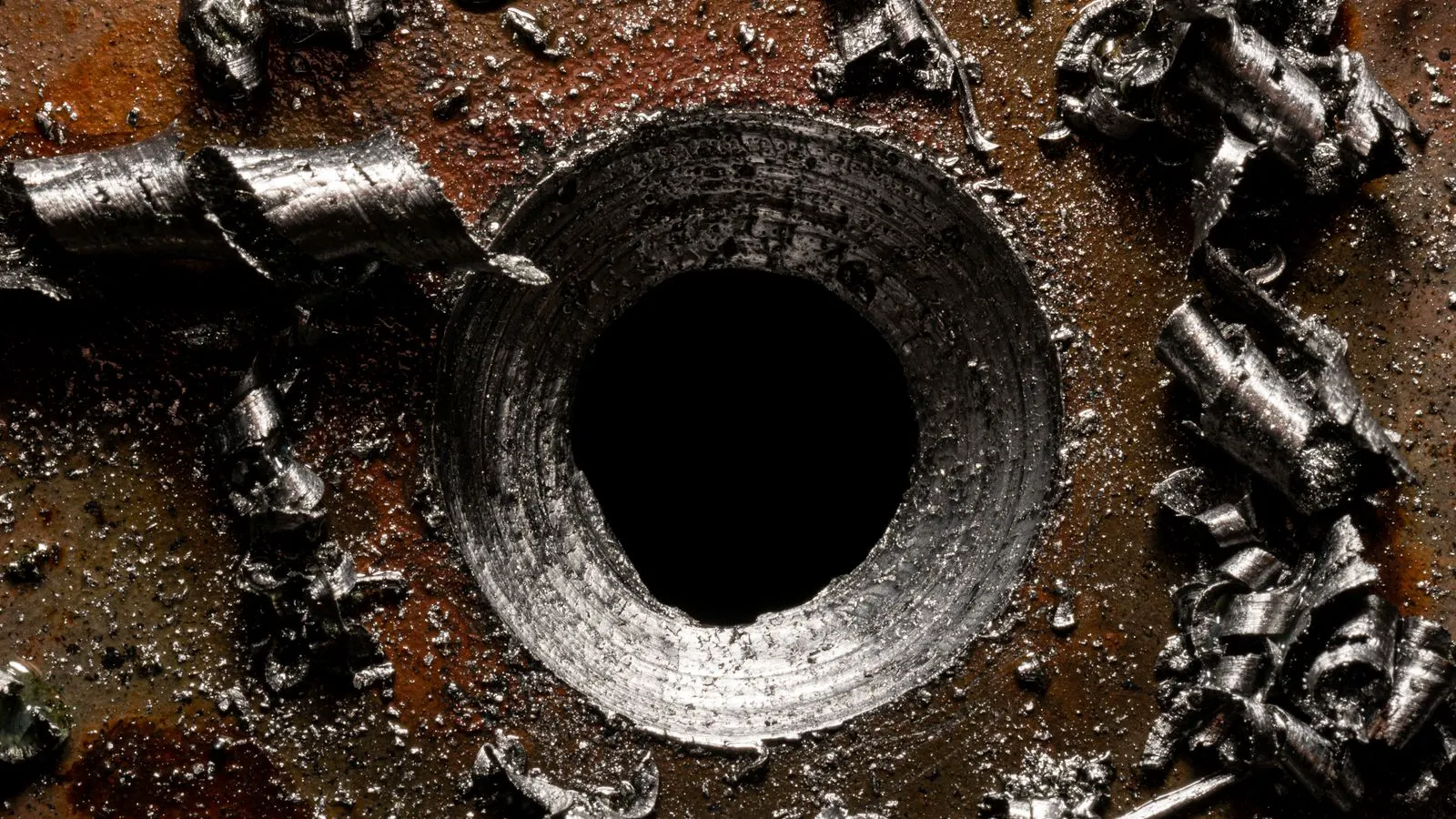
Melt temperature porosity forms when molten metal is too hot, trapping hydrogen gas bubbles. Engineers control this variable through strict heat management and cooling