Outlook: Automation and AI in Secondary Die Casting Operations
Secondary die casting operations are shifting toward automated inspection, robotic finishing, and data-driven process control. Buyers should plan for integrated workflows, flexible tooling, and staff training to manage the transition.
- Secondary operations are moving from isolated manual steps to integrated, data-connected workflows.
- Buyers should prioritize flexible automation that handles multiple part families without massive tooling changes.
- Staff roles are shifting from manual operators to system monitors and quality analysts.
- Investment in upstream quality control reduces downstream rework and inspection costs.
- Standardized data formats allow different machines to communicate and track part history.
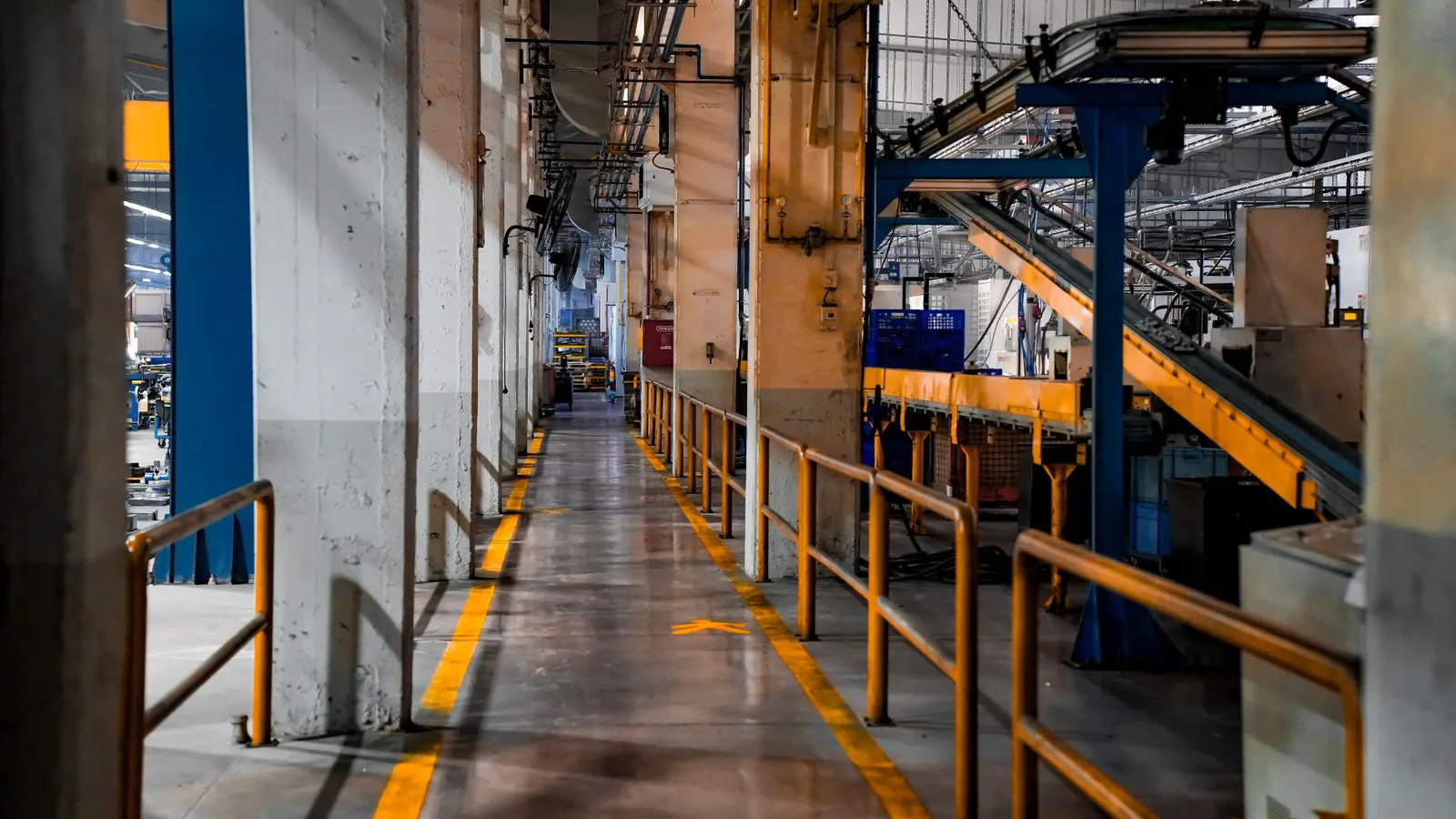
Secondary die casting operations are changing. The line between the foundry and the post-casting shop is blurring as machines take over tasks that required steady hands and visual checks. For buyers and engineers, this shift means rethinking how die casting machining and finishing are planned. The goal is no longer just speed. It is traceability, consistency, and the ability to adapt when part numbers change.
How Data Changes the Secondary Ops Workflow
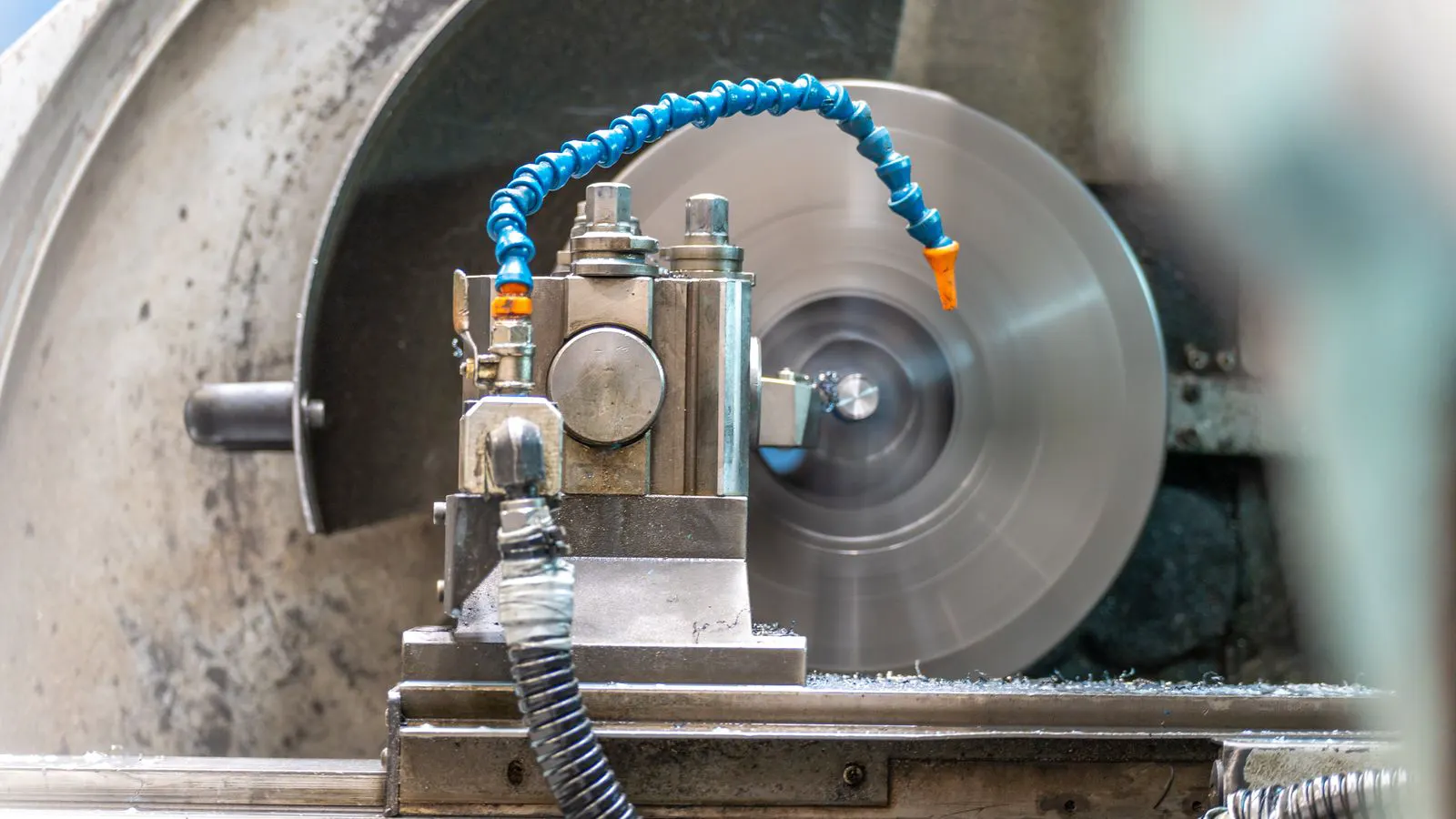
The first shift is the movement toward connected equipment. Older shops ran each station independently. A machining center ran its program, and the operator logged results on paper. Today, machines can push data directly to a central system. This includes cycle times, tool wear, and dimensional measurements.
This data feeds back into the production plan. If a specific die casting machining cycle runs long on a particular alloy, the system can flag a potential issue. Buyers should expect suppliers to offer basic data export now. More advanced shops will integrate this with quality management systems. The result is a digital thread that follows the part from the die to the finished component.
Planning for this shift requires attention to connectivity standards. Not all machines speak the same language. Engineers should ask suppliers about open data formats and API access. This ensures that new equipment can join the existing network without custom coding. The cost of connectivity is rising, but the value of real-time visibility is growing with it.
What to Expect from Automated Finishing
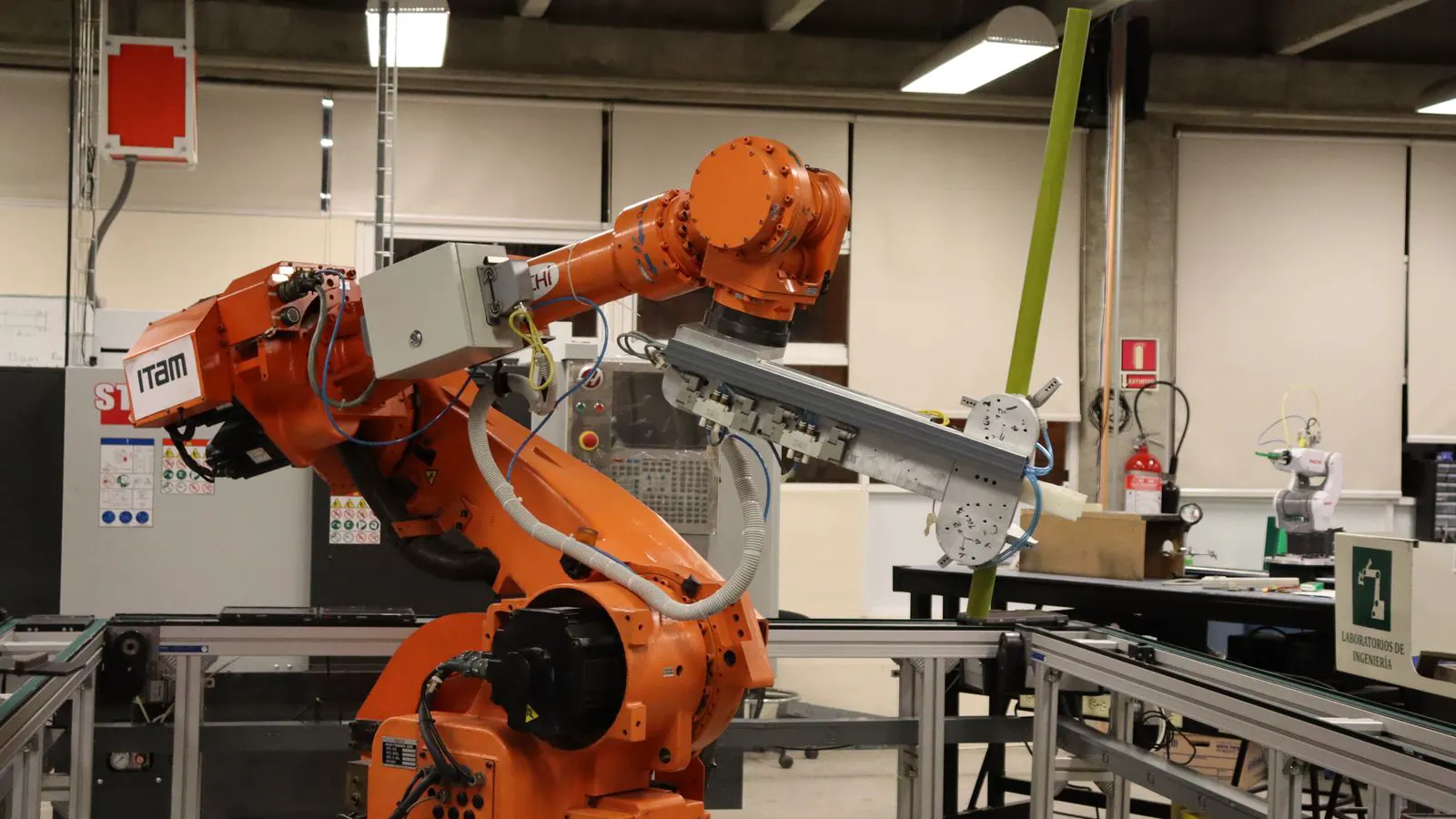
Automated finishing is moving beyond simple paint spraying. The future of secondary ops includes robotic arms that handle sanding, deburring, and surface treatment. These systems use vision sensors to identify part orientation and surface defects. They adjust their path in real time to avoid damage to critical features.
For buyers, this changes the layout of the finishing area. Fixed workstations give way to flexible cells. A single cell can handle multiple part numbers by changing the end effector and the program. This flexibility is key when production volume fluctuates. It allows a shop to run low-volume custom jobs and high-volume standard parts on the same line.
The trade-off is in programming. Setting up a new job in an automated cell can take longer than setting up a manual station. However, once the program is validated, the cycle time drops. Buyers should negotiate for supplier support in programming. A good vendor will provide the initial setup and train internal staff to make minor adjustments. This reduces reliance on outside technicians for every changeover.
The Role of AI in Quality Inspection
AI is being applied to surface inspection and defect detection. Cameras capture high-resolution images of the casting. Software analyzes these images to find porosity, flash, or surface inclusions. This is different from traditional visual inspection by a human operator. The software can check every part, not just a sample.
For die casting parts, this is critical. A small defect at the surface can compromise the plating or coating that follows. By catching these issues early, the shop avoids rework. The buyer benefits from higher first-pass yield. The cost of inspection equipment is significant, but it can be offset by reduced scrap and rework labor.
When evaluating inspection systems, look at the integration with the machining step. The ideal setup is an automated flow where the part goes from machining directly to inspection. Any part that fails the check is routed to a rework queue. This closed loop ensures that only good parts move to the next stage.
How Tolerances Influence Automation Decisions
Tight tolerances on die castings require precise machining. The tighter the tolerance, the more the process depends on stable tooling and controlled environment conditions. Automation helps maintain this stability. Manual operators can introduce variation, especially over long shifts.
When specifying tolerances for machining die castings, consider the automation capability of the supplier. If a part requires a tolerance that is difficult for a human to hold consistently, automated machining becomes a better fit. This is not about removing humans from the process. It is about matching the method to the requirement.
Buyers should review the tolerance stack-up for the part. If the casting tolerances are loose but the final assembly is tight, the machining step must absorb the variation. Automation excels at this. It can compensate for small casting errors by adjusting the machining depth. This is a key advantage over manual machining, which relies on the operator to see and correct these errors.
Planning the Staffing Transition
Automation changes the job roles. Manual operators become machine monitors. They load parts, check alarms, and handle exceptions. The skilled labor shifts toward programming, maintenance, and quality analysis.
This transition requires training. New staff need to understand not just the machine, but the logic behind the program. They need to know how to interpret data and identify trends. The shop floor culture must shift from manual dexterity to analytical thinking.
For buyers, this affects the supplier selection process. A supplier with a strong training program is more valuable than one with the fastest cycle time. Ask about the onboarding process for their staff. Do they provide certification? Do they offer ongoing support? The human factor is the most difficult part of any automation project. Ignoring it leads to underutilized equipment and frustration.
A Practical Roadmap for Buyers
The table below outlines the key shifts and the actions buyers should take. This is not a strict timeline. It is a set of priorities to consider when planning capital projects or supplier changes.
| Shift Area | Current State | Emerging State | Buyer Action |
|---|---|---|---|
| Inspection | Manual visual checks | Automated optical inspection | Evaluate ROI on 100% inspection for critical parts |
| Machining | Manual or semi-auto | Full robotic cells | Prioritize flexible tooling for multi-part production |
| Data Flow | Disconnected machines | Integrated digital thread | Require open data standards in supplier RFPs |
| Staffing | Manual operators | System monitors and programmers | Invest in training and upskilling for existing staff |
| Maintenance | Reactive | Predictive | Implement monitoring of tool wear and vibration |
To prepare for these changes, start with a process audit. Map out the current secondary operations workflow. Identify the bottlenecks and the points of highest variation. This data will help you decide where automation provides the most value. Do not try to automate the entire line at once. Focus on the step that has the highest cost or the highest quality risk.
The transition is gradual. It will not happen overnight. But the direction is clear. The secondary operations of the future are connected, data-driven, and flexible. Buyers who plan for this now will have a competitive advantage. Those who wait will find themselves with higher costs and lower quality. The key is to treat automation as a strategic investment, not just an equipment purchase.
Final Considerations for Implementation
When moving forward, keep the part design in mind. Parts designed for manual handling may not work well in an automated cell. Consider the part’s weight, shape, and surface finish. A part with sharp corners may require a specific fixture. A part with a delicate coating may require a gentler handling method.
Work with your suppliers on the design phase. Share the secondary operations requirements early. This allows the supplier to suggest design changes that make automation easier. For example, adding a locating hole or a flat surface can simplify the handling in a robotic cell.
The goal is a system that works as a unit. The casting, the machining, the inspection, and the finishing should flow together. Any break in this flow creates waste. By focusing on the integration of these steps, buyers can build a secondary operations process that is resilient to change and efficient in execution. The future of secondary ops is not about having the most machines. It is about having the right machines, working together.
Frequently asked questions
How long does it take to implement automated finishing systems?
Implementation time varies by complexity and part variety. A simple single-part cell can be set up in weeks, while a flexible multi-part system may take several months due to programming and validation.
Can small die casting shops benefit from AI inspection?
Yes. Even small shops can use cloud-based inspection tools that require minimal hardware. This allows them to achieve 100% inspection without the cost of a large on-premise server.
What is the biggest mistake buyers make when automating secondary ops?
The biggest mistake is automating a process that is not yet stable. If the manual process has high variation, automation will simply replicate that variation faster. Stabilize the process first.
Do automated systems handle all alloy types the same way?
No. Different alloys behave differently during machining and finishing. Aluminum, zinc, and magnesium each have specific cutting parameters and surface treatment requirements. The automation must be programmed for each material type.
How does data integration affect supplier negotiations?
Buyers can use data requirements as a tie-breaker between suppliers. A supplier who provides open data formats and transparent reporting is often easier to work with long-term, even if the initial cost is slightly higher.