Secondary Operations
Zinc Die Casting Plating vs Powder Coating
Zinc plating offers thin, conductive corrosion protection for electrical parts, while powder coating provides thick, durable, and colored finishes. Buyers should choose
Overviews of machining, finishing, and post-casting processes to meet final part specs.
Zinc plating offers thin, conductive corrosion protection for electrical parts, while powder coating provides thick, durable, and colored finishes. Buyers should choose
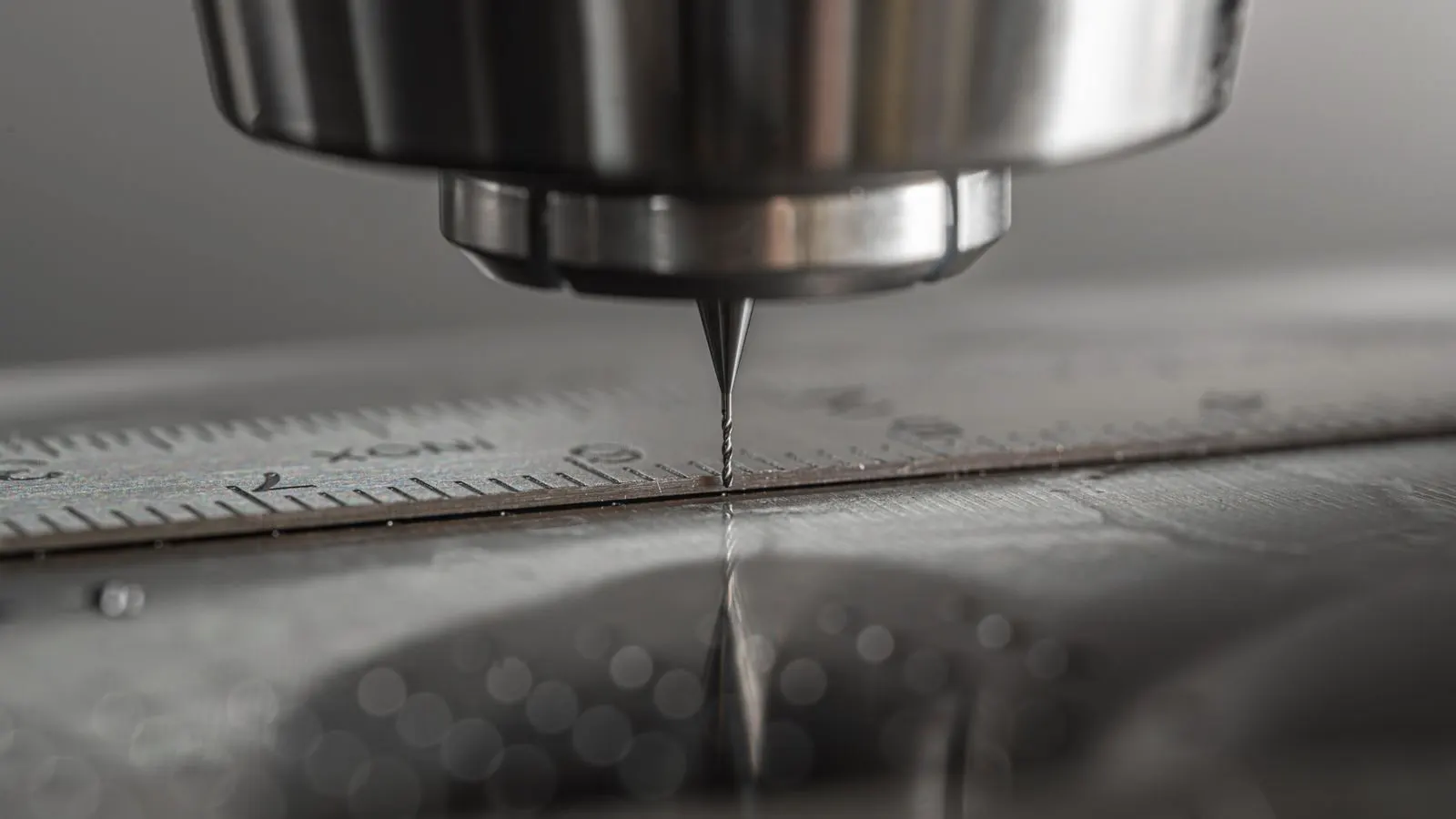
Post casting machining costs depend on material, tolerance, and part complexity. Lead time is driven by machining volume and finishing steps. A clear RFQ with drawings
Secondary operations in die casting are evolving with automation, coatings, and sustainable practices. Buyers should plan for digital integration, material flexibility
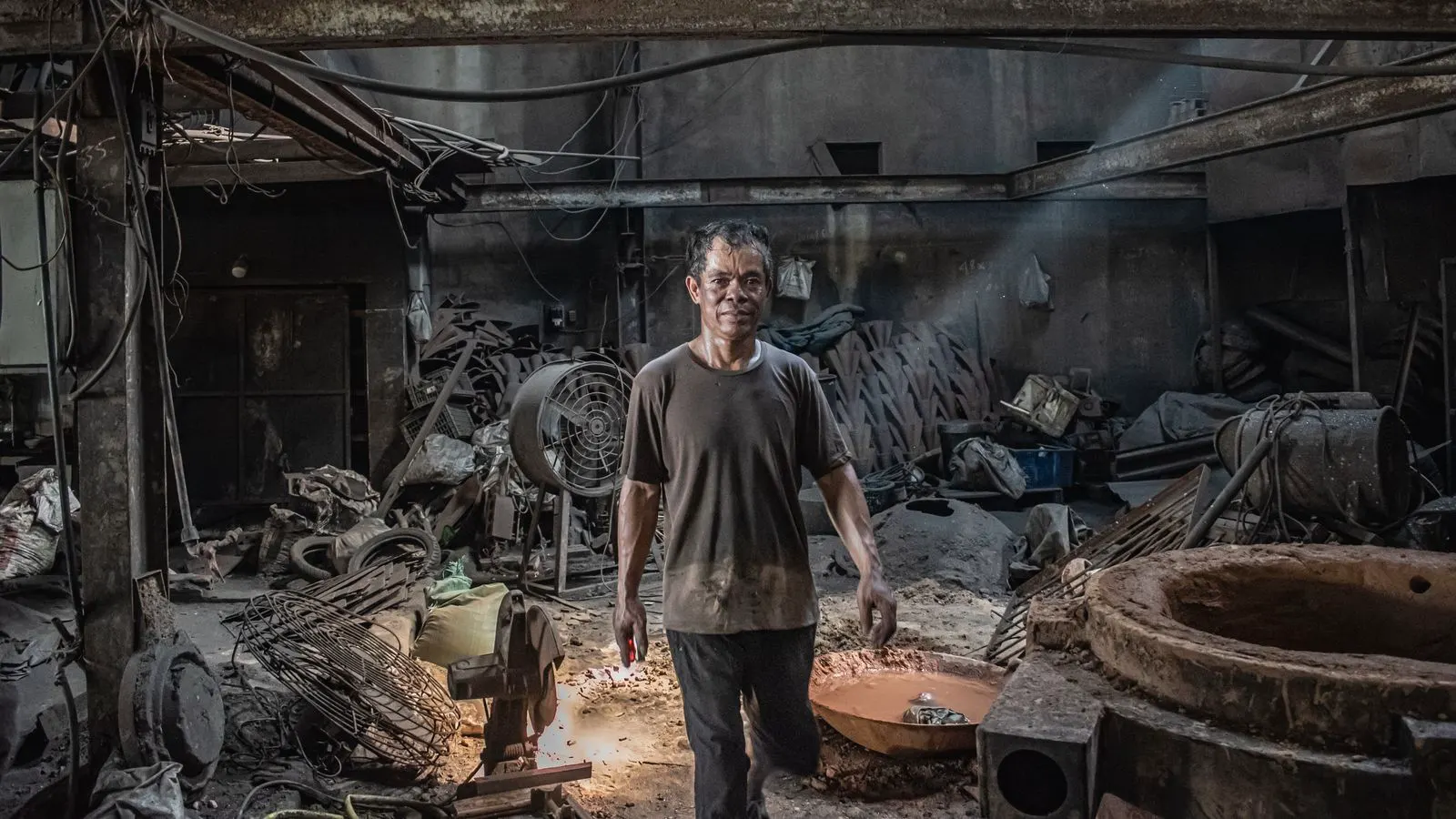
Coating adhesion failures on die cast parts stem from inadequate cleaning, moisture, and incorrect surface preparation. This guide lists common symptoms, likely causes
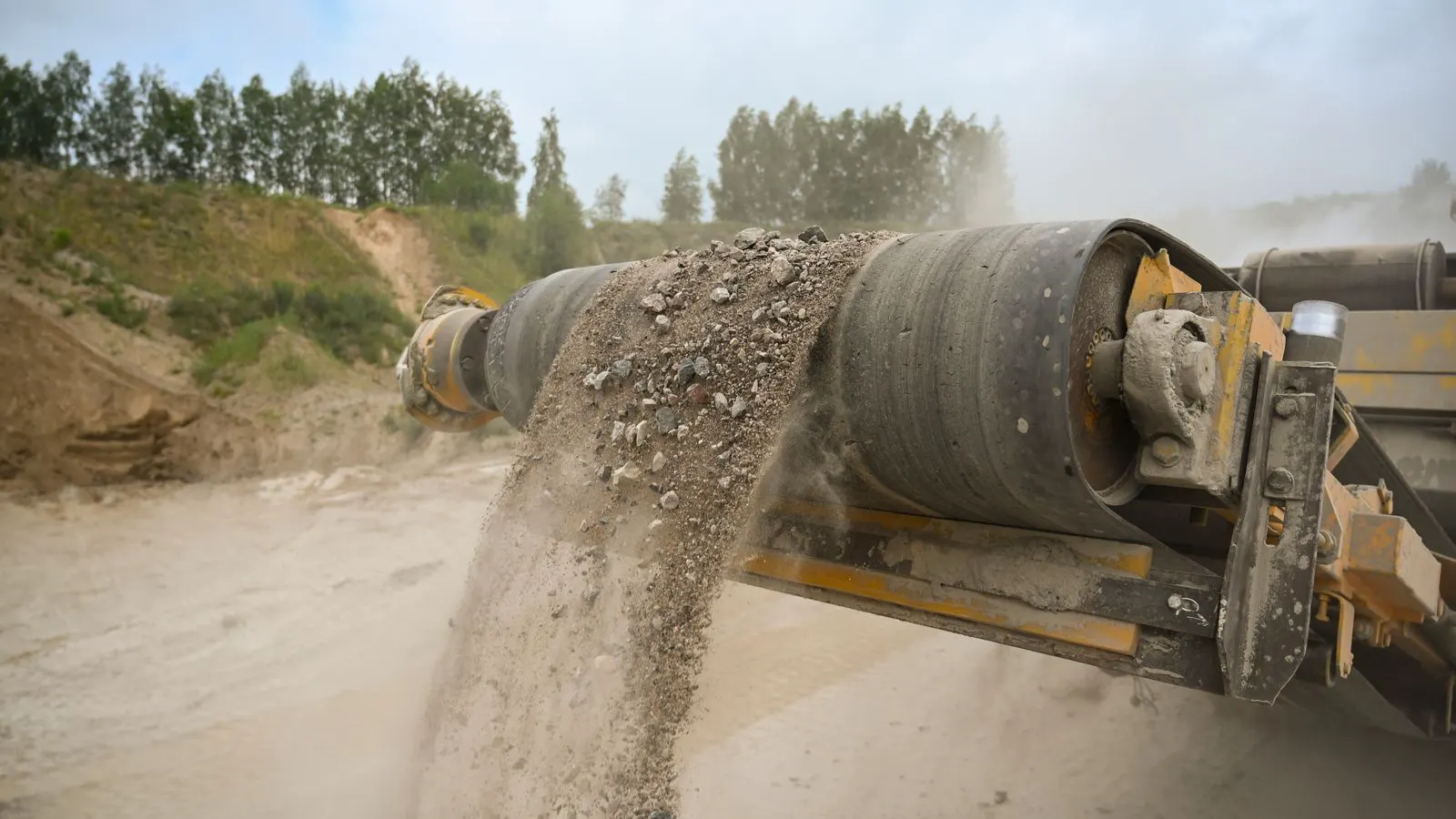
Reduce finishing operations lead time by mapping every step, batch processing, and parallel scheduling. Focus on standardizing surface treatments, prepping parts early
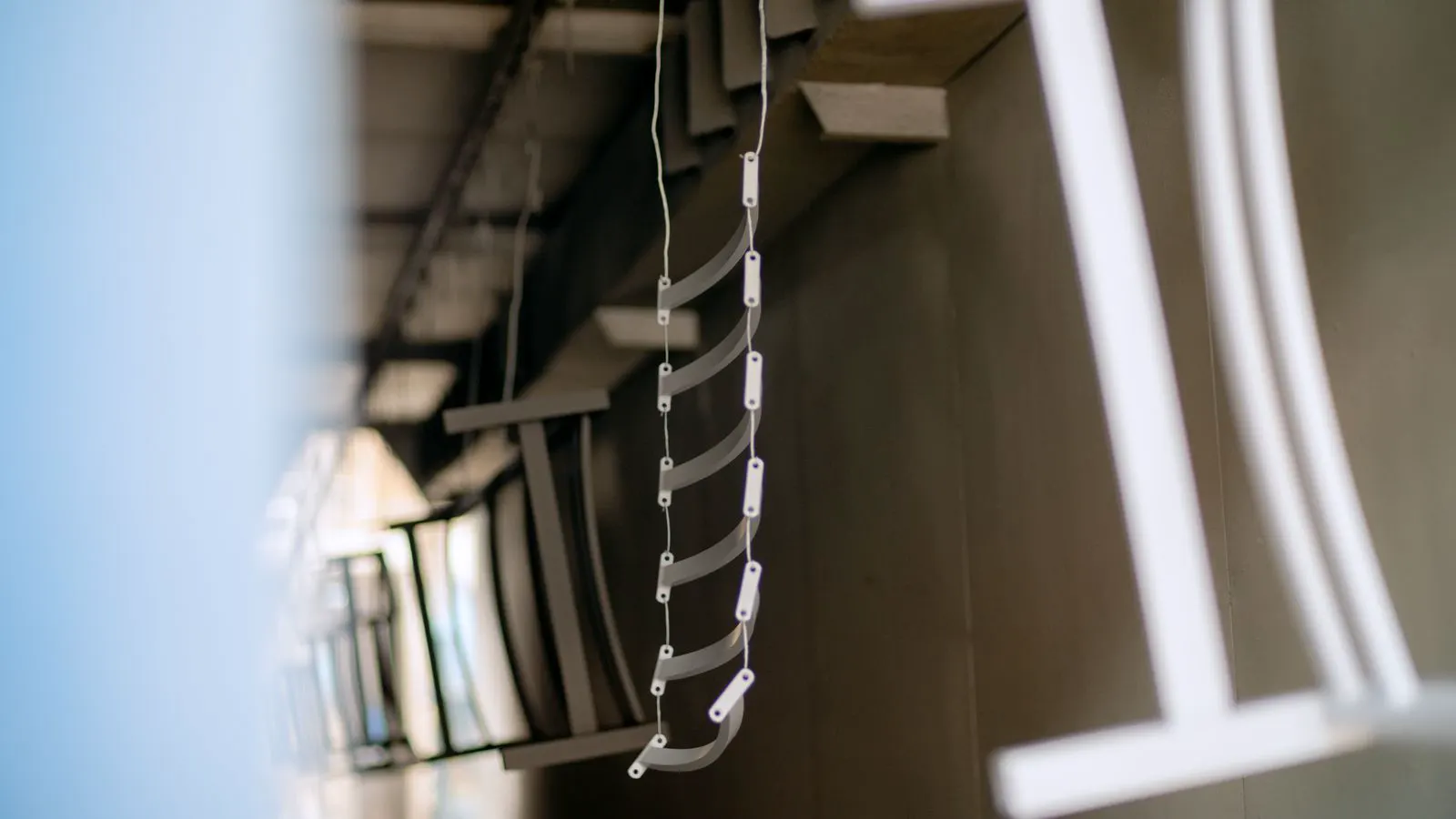
Selecting a die casting coating supplier requires verifying material compatibility, finish standards, and quality controls. This buyer guide outlines how to compare
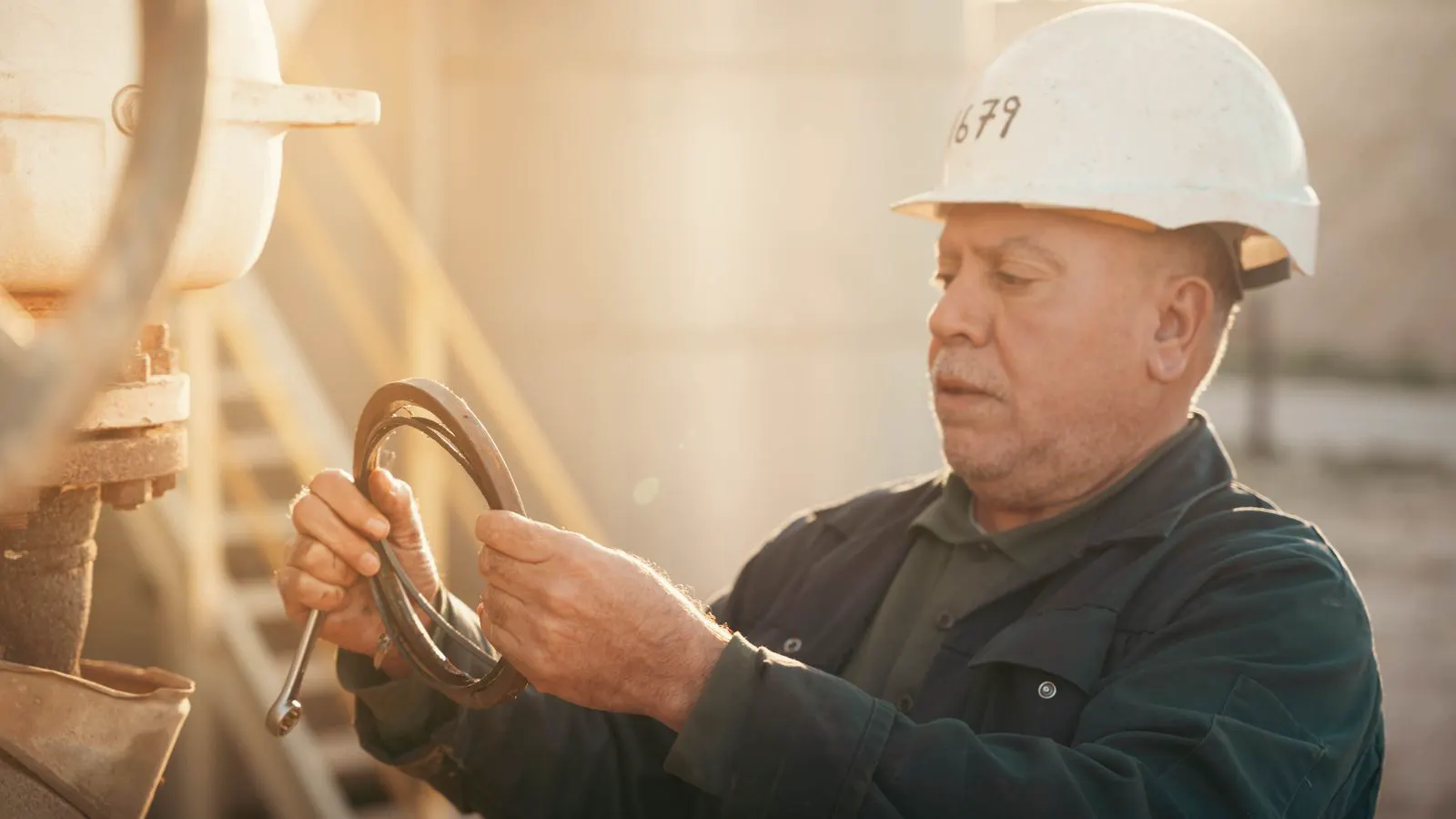
This guide provides a structured part assembly checklist for die cast components. It outlines critical checks for dimensions, surface condition, fasteners, and final
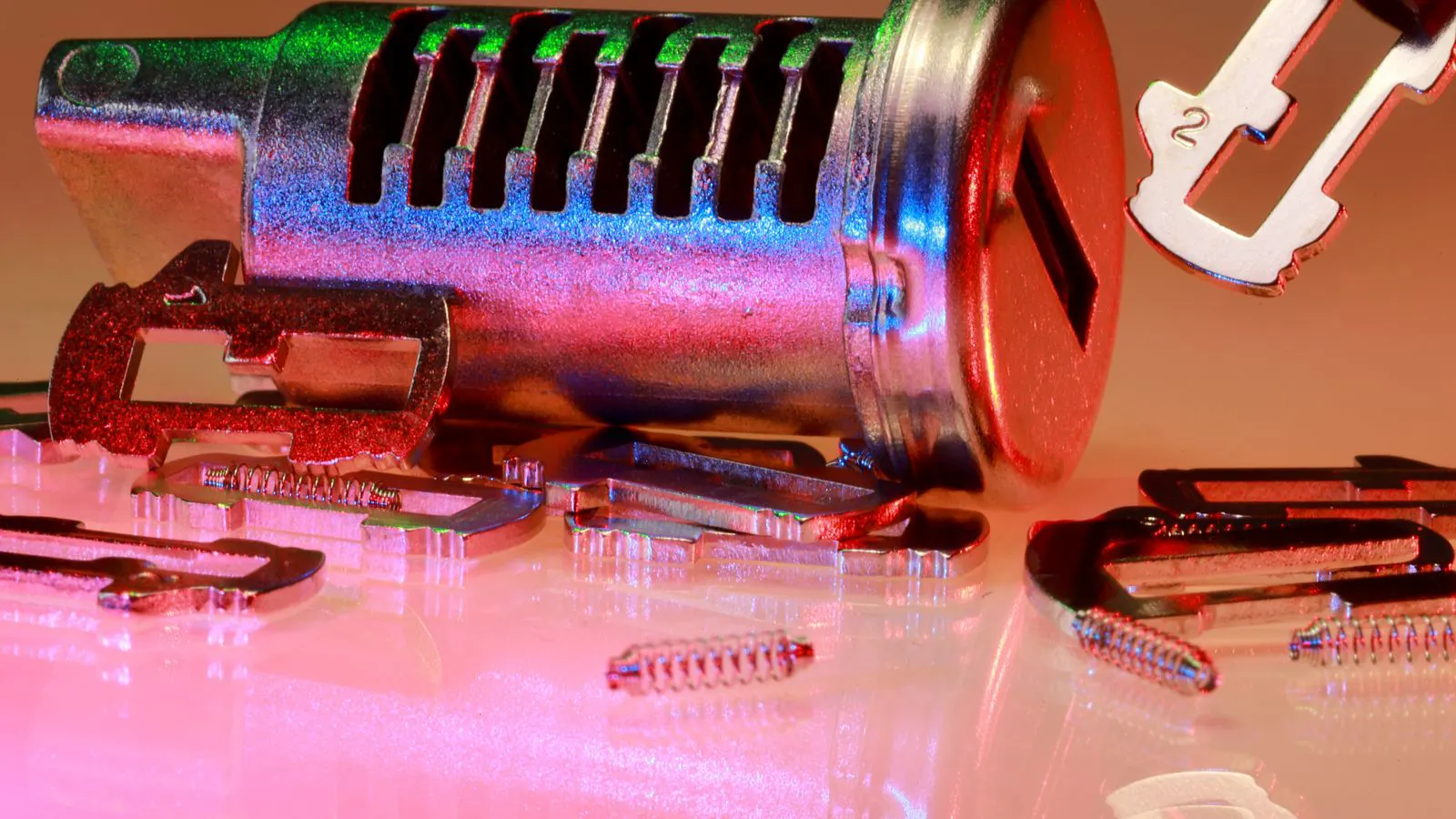
Zinc and aluminum die casting parts require different finishing approaches due to their varying chemical properties and surface characteristics. This guide compares
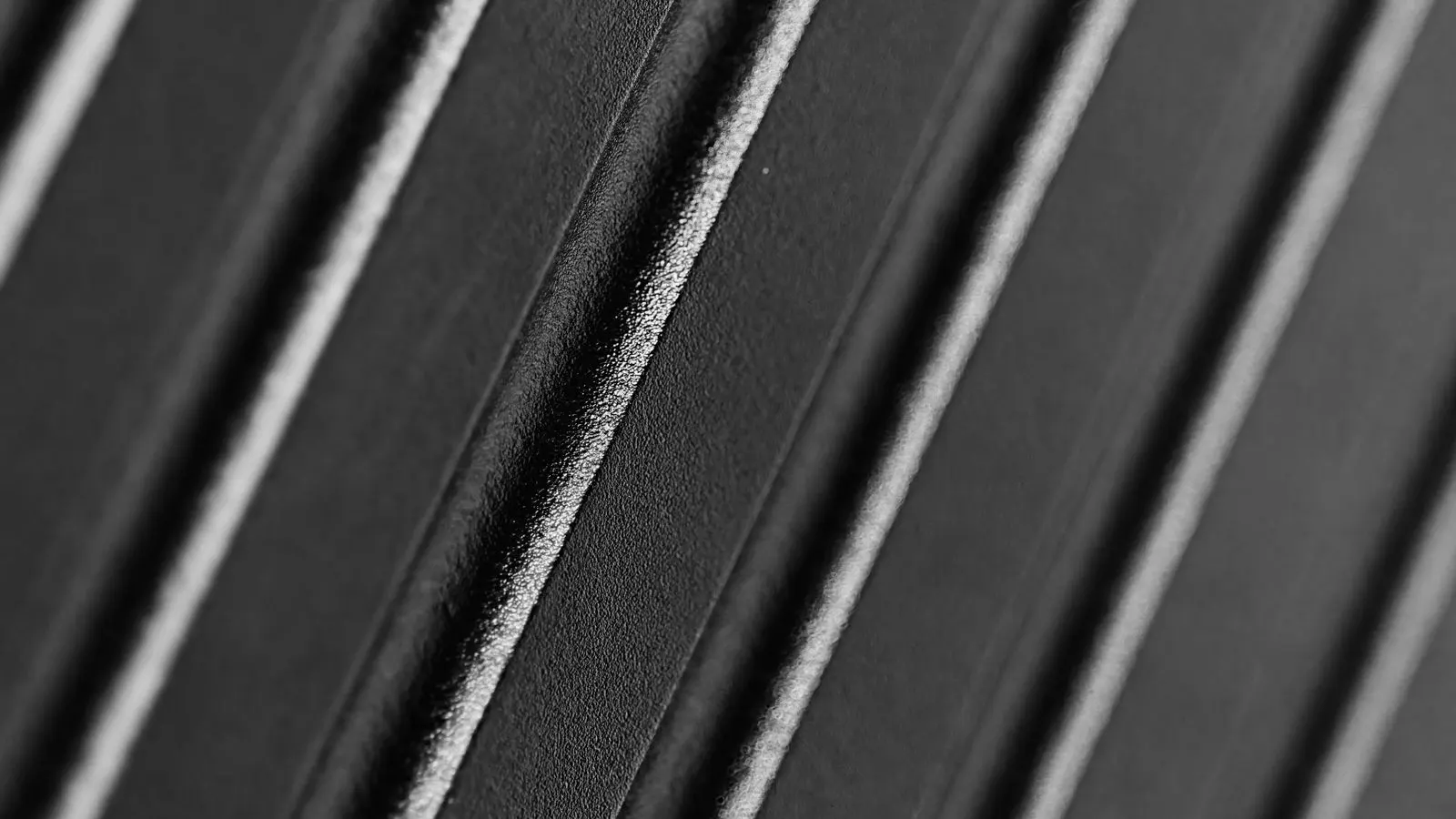
Surface finish in die casting refers to the smoothness or texture of a part’s final surface. This guide explains the key finish standards, how surface texture impacts
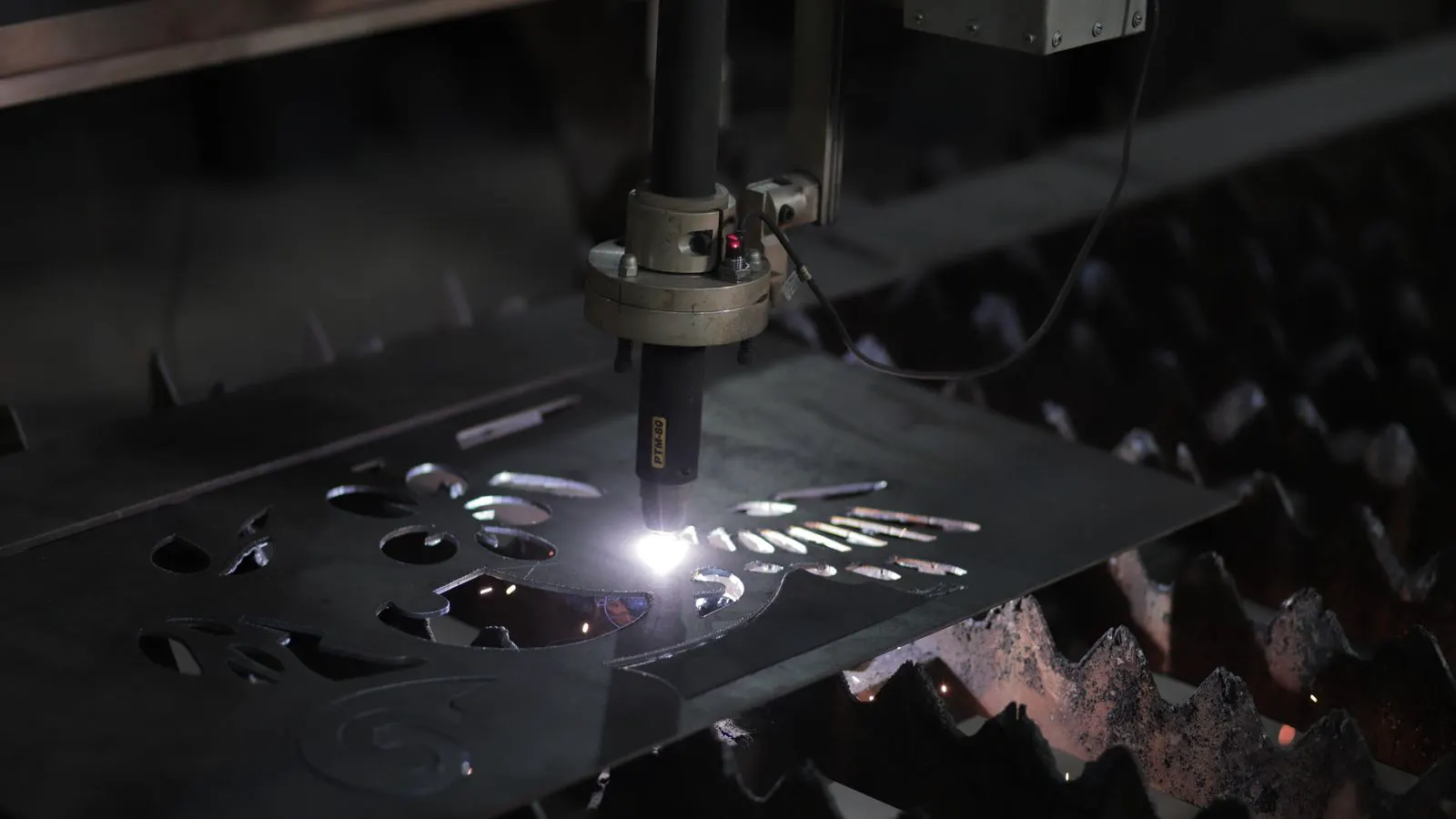
Post casting machining adds cost to die cast parts but is often necessary for fit and function. This guide breaks down machining costs, explains key drivers like