Zinc & Magnesium Alloys
Cost: Zinc vs Magnesium Tooling and Parts
Zinc and magnesium die casting differ in tooling cost, production speed, and material handling. This guide breaks down the primary cost drivers, explains how to
Technical guides for die casting buyers, spec writers, and plant managers.
Buying die castings requires reading between the lines. This site breaks down the technical decisions that drive performance, cost, and lead time, from alloy selection to tooling design and finishing. Readers find clear explanations of how porosity, flash, or dimensional drift affect part acceptance and final assembly.
The content is built around the documents and conversations buyers actually use. Spec sheets, inspection reports, and supplier questionnaires are the focus. Each article connects a specific technical choice to the practical outcome on the production floor and in the receiving dock.
Start with the stage of the sourcing process you are in.
Practical guides on processes, alloys, and design rules for high-volume aluminum parts.
Technical details on zinc and magnesium alloy selection, properties, and casting challenges.
Insights into die materials, life, maintenance, and how tooling affects part quality.
Root causes and prevention of porosity, shrinkage, and other common die casting defects.
Overviews of machining, finishing, and post-casting processes to meet final part specs.
Factors that influence die casting costs, tooling pricing, and production schedule planning.
Checklists and evaluation criteria for selecting and vetting a reliable die casting supplier.
Zinc and magnesium die casting differ in tooling cost, production speed, and material handling. This guide breaks down the primary cost drivers, explains how to
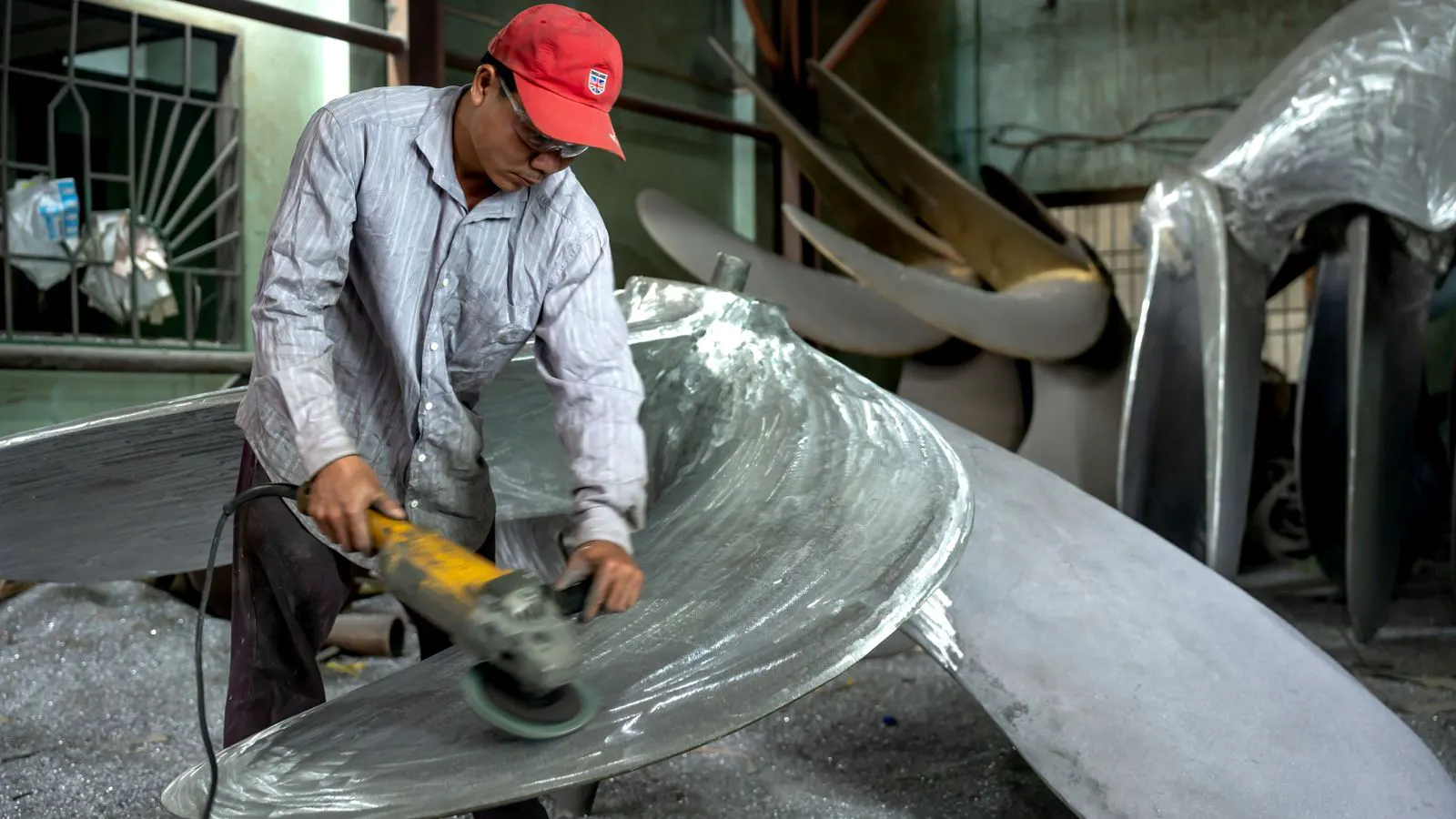
Rough edges after grinding usually trace back to improper tooling, feed rates, or part handling. This guide lists common symptoms, likely causes, and fixes for die
e-beam machining is moving toward high-precision die casting applications. This shift requires planning for new tooling, material handling, and quality checks. Buyers
Modular die design reduces die casting lead time by allowing buyers to prototype and release production tooling in parallel. This approach lowers initial tooling risk
Automated inspection is shifting quality control from sample-based visual checks to continuous data capture. Buyers should plan for new sensor integrations, data

Controlling melt chemistry in zinc casting requires strict raw material tracking, precise temperature management, and regular composition testing. By adjusting alloying

Porosity in thin sections forms when molten metal cools too fast to expel gas before the die walls close. This guide explains the physics, the trade-offs, and how to
The die casting minimum order quantity determines initial tooling spend, production scheduling, and supplier capacity. Higher volumes reduce unit cost but increase
New zinc alloy developments are shifting the balance between corrosion resistance and plating performance. Buyers should plan for tighter material specifications
Zinc castings are typically used for smaller, complex parts and are often finished with plating. Aluminum castings are larger, have higher strength-to-weight ratios, and are often used in automotive and structural applications.
Die design controls surface finish, dimensional accuracy, and cycle time. Wear in the mold cavity or core can lead to flash or dimensional drift, requiring regular maintenance or replacement.
Gas entrainment, moisture in the mold, or improper venting are common causes. Porosity can be internal or surface-related and often affects mechanical strength and sealing.
Evaluate their material certifications, inspection capabilities, tooling maintenance practices, and lead time reliability. Ask for sample parts and review their quality control procedures.
Lead times vary by complexity, material, and supplier capacity. Simple tooling may take weeks, while complex multi-cavity molds can take months. Early design review helps avoid changes.
Finishing processes like anodizing, painting, or plating improve corrosion resistance and appearance. They must be compatible with the casting alloy and part function.