Troubleshooting: Porosity in Die Cast Plating Parts
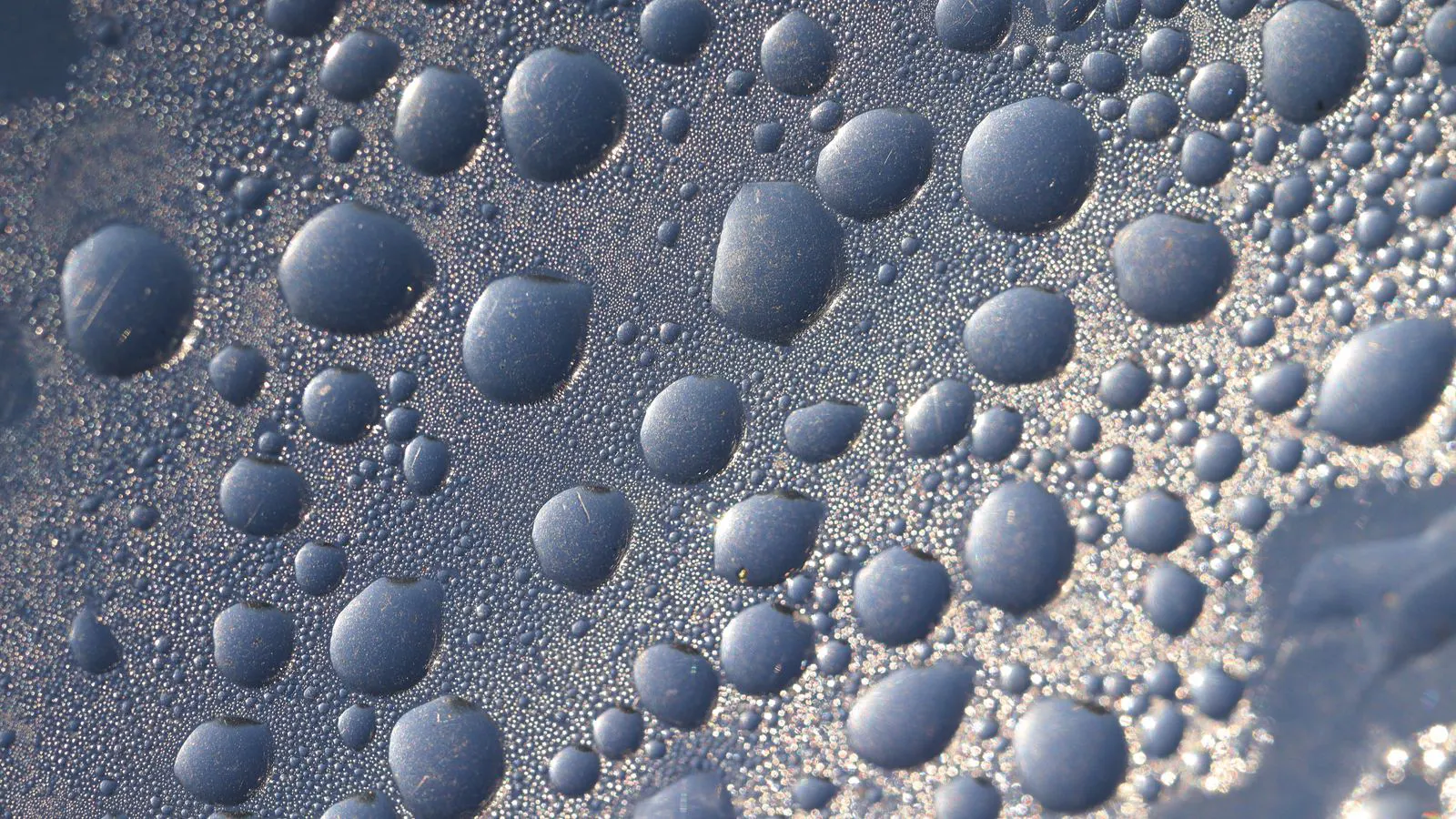
Porosity in die casting plating parts usually comes from gas entrapment, poor casting, or inadequate pre-treatment. This guide lists common symptoms, likely causes, and practical fixes for plating defects, then gives prevention tips for suppliers and buyers.
- Porosity in die cast plating parts often starts in the melt or mold, not in the plating bath.
- A short table maps common symptoms to likely causes and practical fixes.
- Prevention relies on tighter die design, better pre-treatment, and clear inspection criteria between casting and finishing.
- Buyers should define plating acceptance limits in the RFQ and document each secondary operation.
Why does porosity show up after plating?
Porosity in die casting plating parts is not usually a plating problem. It is a casting problem that only becomes visible after the part is cleaned, anodized, or coated. Gas pockets inside the aluminum or zinc alloy hold small volumes of air or hydrogen. During cleaning and plating, those pockets can expand, leak, or stay hidden under the surface. The finisher may then see blistering, pinholes, or poor adhesion that looks like a plating failure.
The root cause usually traces back to three stages. First, the melt may contain too much gas, or the casting cycle may trap gas at the parting line. Second, the die may have hot spots that vaporize the surface metal and create gas channels. Third, the pre-plating cleaning may not remove oxide or oil well enough, leaving the surface weak for the plating to grip.
What symptoms should you watch for?
Buyers and quality staff should know the field signs before they send a part to the finishing shop. The symptoms below are typical for both aluminum and zinc die cast parts.
| Symptom | Likely cause | What to do |
|---|---|---|
| Pinholes or small craters on the plated surface | Gas pockets in the casting or oxide contamination | Inspect the raw cast part first. Increase cleaning time and verify parting line pressure. |
| Blistering after heat treatment or plating | Trapped gas that expands when heated | Reduce casting temperature, improve venting, and add a pre-plating bake if the process allows. |
| Poor adhesion in recessed areas | Incomplete cleaning or oxide left on the surface | Use a stronger degrease step and verify cleaning with a water break test. |
| Dark lines at the parting line | Gas channel or hot spot in the die | Review the die cavity and request a mold repair or die recast. |
| Spotted finish after anodizing or nickel plating | Surface porosity plus contamination | Add a sealant or pretreatment step and re-test the part. |
| Repeated defects in the same location | Die wear or inconsistent shot pressure | Track the defect by part number and lot. Request a die inspection. |
A single symptom may point to one cause. Repeated symptoms in the same part location point to the die or the casting process. That distinction changes who should fix the problem.
How do you distinguish casting porosity from plating defects?
Do not assume the plating bath is at fault. Start with the raw cast part. If the part shows small bubbles, pits, or dark lines before plating, the defect is in the casting. If the part looks clean and the defects appear only after plating, the cause is more likely in cleaning, anodizing, or the plating chemistry.
A simple check is to compare a raw part with a finished part. Take a sample from the same lot. Look at the same area under a 10x loupe or a low power microscope. If you see gas channels in the raw metal, the plating shop is not the source. If the raw metal is clean but the plated surface has pinholes, the finishing process needs review.
This check also helps with disputes. When a customer rejects a part for plating defects, the supplier can show the raw cast part. If the casting has porosity, the issue is upstream. If the casting is good, the issue is downstream.
What fixes work for common porosity problems?
Most porosity problems can be fixed or reduced with a small set of actions. The fix depends on where the defect starts.
- Fix the casting first. If the die has hot spots or the parting line is weak, repair the die before sending more parts to plating. A small die change can save many finished parts from rejection.
- Tighten the cleaning step. A longer degrease, a higher temperature, or a different cleaner can remove oxide and oil better. For aluminum, an alkaline clean followed by an acid etch may be needed.
- Add a pre-plating bake. For zinc or aluminum parts with trapped gas, a low temperature bake can drive out moisture and small gas pockets. Keep the temperature low enough to avoid discoloring the metal.
- Change the plating thickness. A thicker plating layer can mask small pinholes, but it does not fix the root cause. Use it only as a short term measure.
- Add a sealant. For aluminum parts that will be anodized or painted, a sealant can reduce the chance of pinholes from small surface pores.
If the defect is in the same location every time, do not keep adjusting the plating chemistry. Go back to the die and the casting parameters.
How should you prevent porosity in future lots?
Prevention is cheaper than rework. Set clear acceptance criteria before the first production lot. Specify the maximum number of pinholes, the maximum size of a defect, and the inspection method. For example, state that no pinhole larger than one millimeter is allowed on the visible face. State that the part must pass a water break test after cleaning.
Ask the finishing supplier to show their cleaning and plating steps. A short process sheet with cleaning chemistry, rinse water quality, and plating time is enough. If the supplier uses an anodizing or nickel plating process, ask for the electrolyte concentration and rinse method.
Review the casting die with the supplier. A die inspection every few months can catch wear before it creates gas channels. If the part has a parting line that is prone to porosity, ask the foundry to adjust the shot pressure or add a vent.
For zinc parts, the alloy and the casting temperature matter. If the alloy is too hot, gas can get trapped. If the die is too cold, the metal freezes before it flows. The foundry should monitor both.
For aluminum parts, the melt condition matters more. Too much gas in the melt creates porosity no matter how good the die is. Ask the foundry to use a degas step or a filter that removes gas and inclusions.
How do you write the RFQ to avoid plating defects?
A clear RFQ saves time and money. Do not just say “plate the part.” Say what finish is needed, what thickness, and what acceptance limits apply. For example, write “nickel plate to 2.5 microns, bright finish, no pinholes larger than 0.5 mm on the visible face.”
List the pre-treatment steps. If the part needs cleaning, anodizing, or a sealant, say so. If the part is zinc, say whether it needs a zinc conversion coating or a nickel plating. If the part is aluminum, say whether it needs an anodize or a nickel plate.
Include the inspection method. A visual check is not enough for small pinholes. Ask for a magnified inspection or a contact angle test after cleaning. A short photo log of the first article and the last article of the lot helps.
Finally, define who is responsible for each defect. If the casting has porosity, the foundry is responsible. If the plating has pinholes, the finishing shop is responsible. A clear responsibility map prevents back and forth.
What documentation should you keep?
Keep a small file for each part. Store the RFQ, the first article inspection, the die inspection report, and the plating process sheet. Store a photo of the raw cast part and a photo of the finished part. If a defect appears later, you can trace it to the lot and the process.
A short log of defects by lot number is very useful. If lot 10 has pinholes and lot 11 does not, you can compare the two lots. If the die changed, note that. If the cleaning chemistry changed, note that. If the alloy changed, note that.
This documentation is also useful for audits. A buyer can show that they specified the finish, the supplier documented the process, and the defects were tracked. That is enough to resolve most disputes.
When should you send the part back to the foundry?
Send the part back to the foundry when the defect is in the casting. If the raw part has gas channels, hot spots, or a weak parting line, the foundry needs to fix the die or the casting parameters. Do not send a defective casting to plating just to make the finish look better. The defect will come back.
If the part is good but the plating is bad, send it back to the finishing shop. If the cleaning step failed, the shop can redo it. If the plating chemistry failed, the shop can adjust it. If the part is good but the foundry changed the die, ask for a die inspection before the next lot.
A simple rule: if the defect is in the metal, fix the metal. If the defect is in the finish, fix the finish.
Final notes for buyers and engineers
Porosity in die casting plating parts is a process problem, not a mystery. It starts in the casting, shows up after finishing, and gets worse when the root cause is ignored. The fastest fix is to inspect the raw part, identify the defect, and send it to the right supplier.
The best prevention is a clear RFQ, a documented process, and a small file of photos and reports. That keeps the problem from returning.
Frequently asked questions
Can plating hide porosity in die cast parts?
A thick plating layer can mask small pinholes, but it does not fix the root cause. If the gas pocket expands later, the plating can blister or peel.
Which material has more porosity problems, aluminum or zinc?
Aluminum is more sensitive to gas in the melt. Zinc is more sensitive to die temperature and parting line design. Both can have porosity if the process is not controlled.
How do I know if the cleaning step caused the defect?
Compare the raw part with the cleaned part. If the raw part is clean and the cleaned part has pinholes, the cleaning step may have damaged the surface. If the raw part has defects, the problem is in the casting.
What is a water break test?
A water break test checks whether the part is clean enough for plating. Water is sprayed on the part. If it beads up, there is oil or contamination. If it spreads evenly, the part is clean.
Should I specify the plating thickness in the RFQ?
Yes. Specify the thickness, the finish type, and the acceptance limits. A clear RFQ prevents the finishing shop from guessing and prevents disputes over what "good" means.