
Aluminum Die Casting
Troubleshooting: Cracks in High-Volume Aluminum Castings
Aluminum casting cracks often result from improper cooling, feeding, or alloy selection. This guide lists common symptoms, probable causes, and fixes to help engineers
Practical guides on processes, alloys, and design rules for high-volume aluminum parts.
Aluminum casting cracks often result from improper cooling, feeding, or alloy selection. This guide lists common symptoms, probable causes, and fixes to help engineers
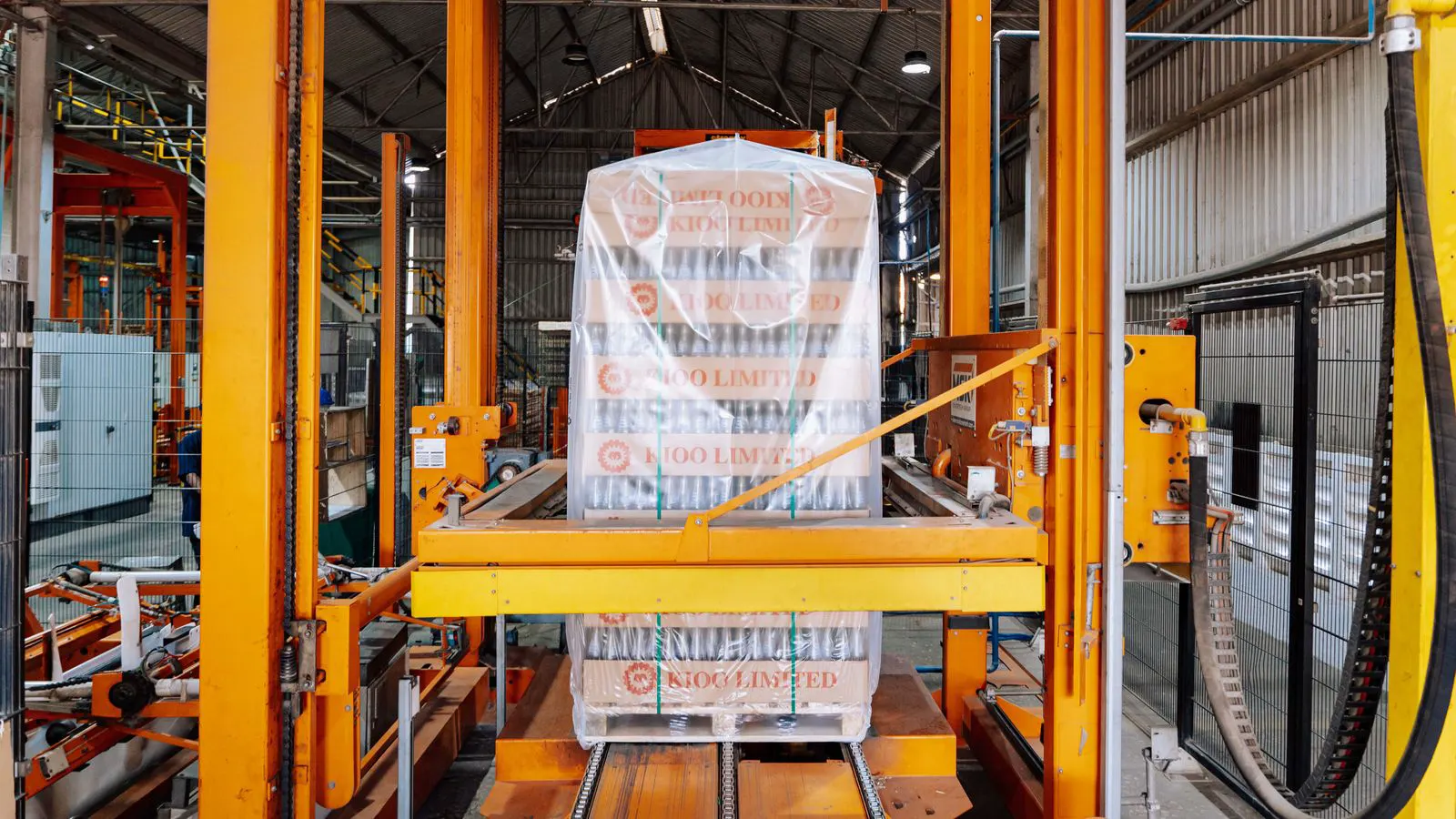
Use this guide to evaluate low-carbon aluminum casting suppliers. Learn how to verify sustainable sourcing, review supplier compliance, and check carbon data to meet
Choosing high-speed die steel balances upfront tooling cost against production speed. Premium alloys cost more but reduce cycle time and die wear. This guide helps
Thin wall parts demand faster cycle times, but speed cannot come at the cost of quality. Engineers can reduce die casting cycle time by optimizing melt temperature, mold
Select a high-speed die casting vendor by verifying shot pressure, cycle time data, and process controls. This guide outlines the specific capabilities and

A380 offers superior fluidity and low cost for thin-wall, high-volume parts. A356 provides higher strength and better weldability. Select A380 for complex shapes and
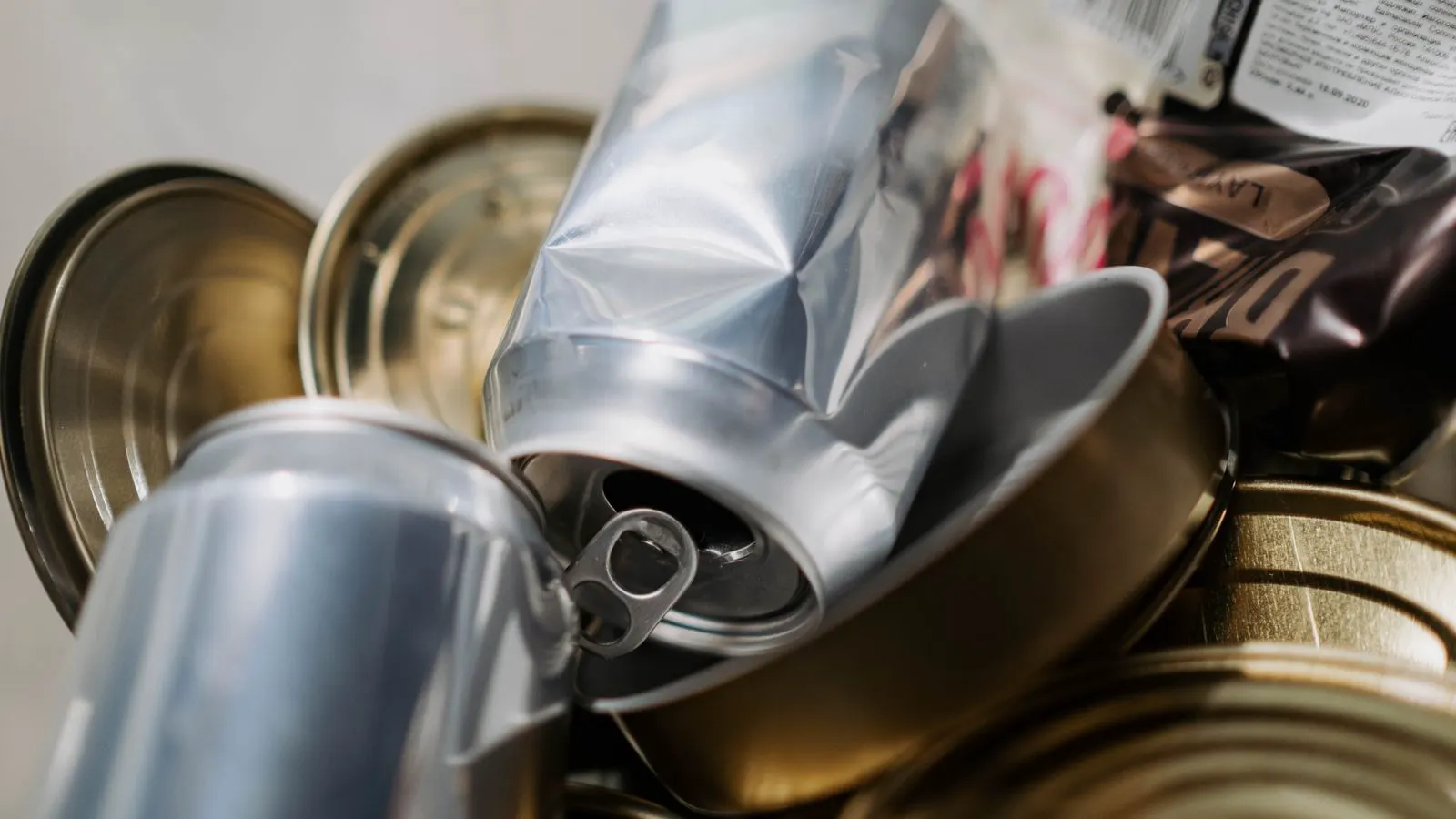
Volume breaks in aluminum die casting reduce unit cost and shorten lead times by spreading fixed tooling costs over more parts. These shifts depend on die material, part

A structured audit checklist helps you verify supplier process controls, quality assurance, and in-process monitoring. It covers die maintenance, metallurgical checks
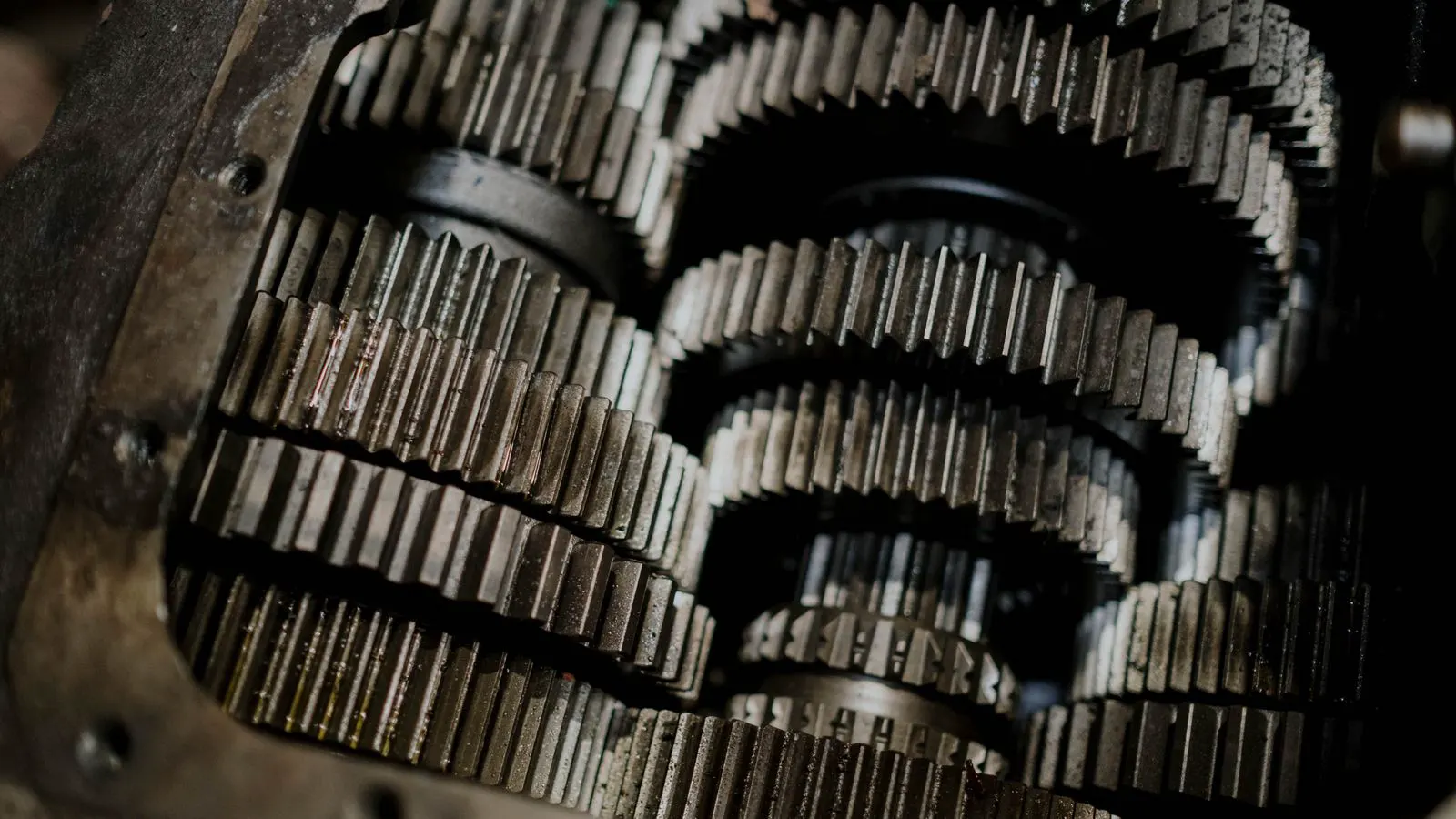
Aluminum die casting alloys determine a part's strength, corrosion resistance, and machinability. Choosing the right grade balances mechanical requirements, cost, and
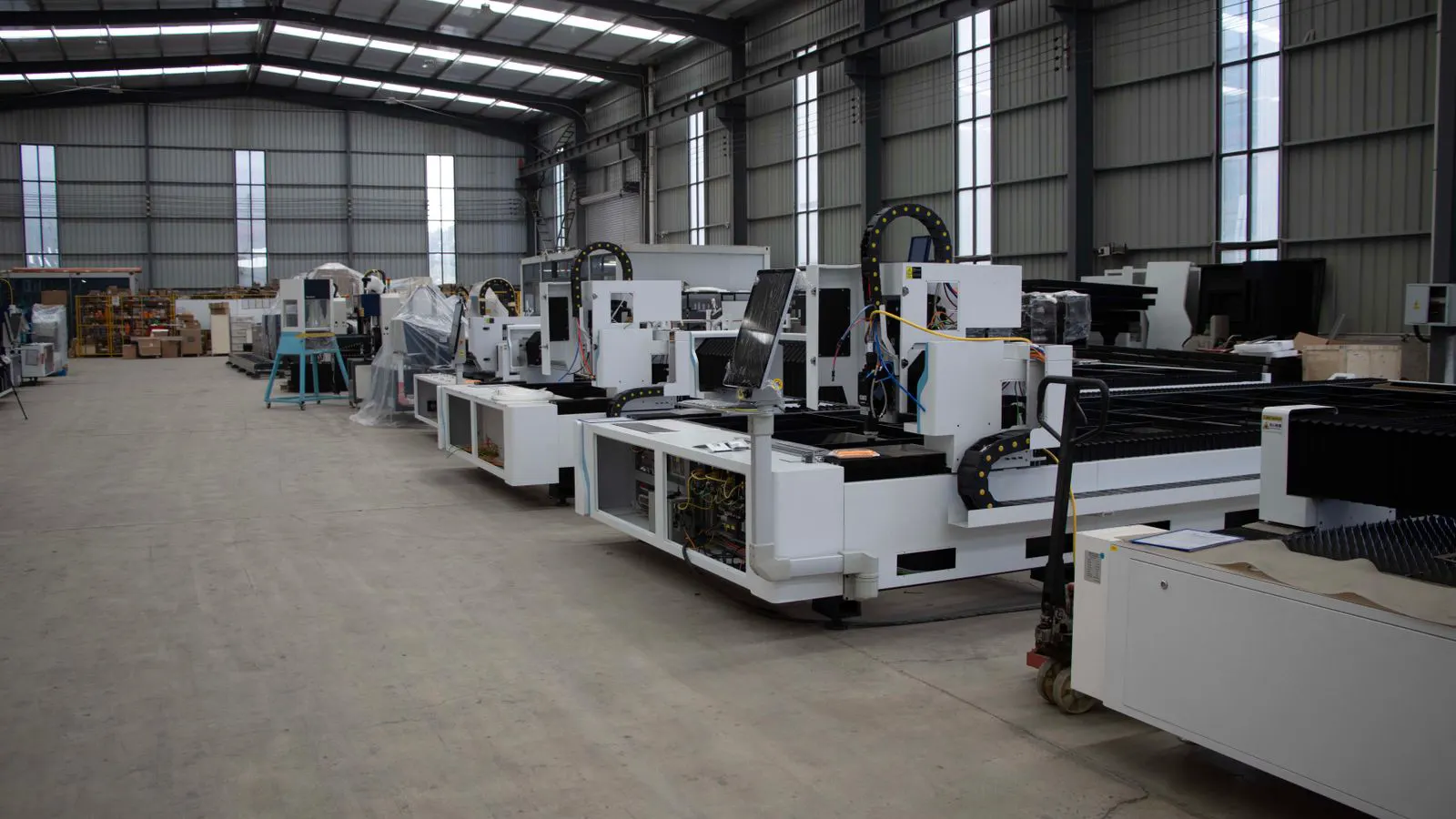
Die casting nearshoring reduces freight risk and lead time variability for aluminum castings. Buyers should plan for shorter supplier bases, tighter inspection

Specify die casting design tolerances by balancing manufacturing capability with functional requirements. This guide outlines a step-by-step process for procurement

A380 suits high-volume, low-strength structural parts. A356 suits high-strength structural applications requiring better corrosion resistance and post-processing. Choose