Die Cast Plating vs. Electroplating: Key Differences
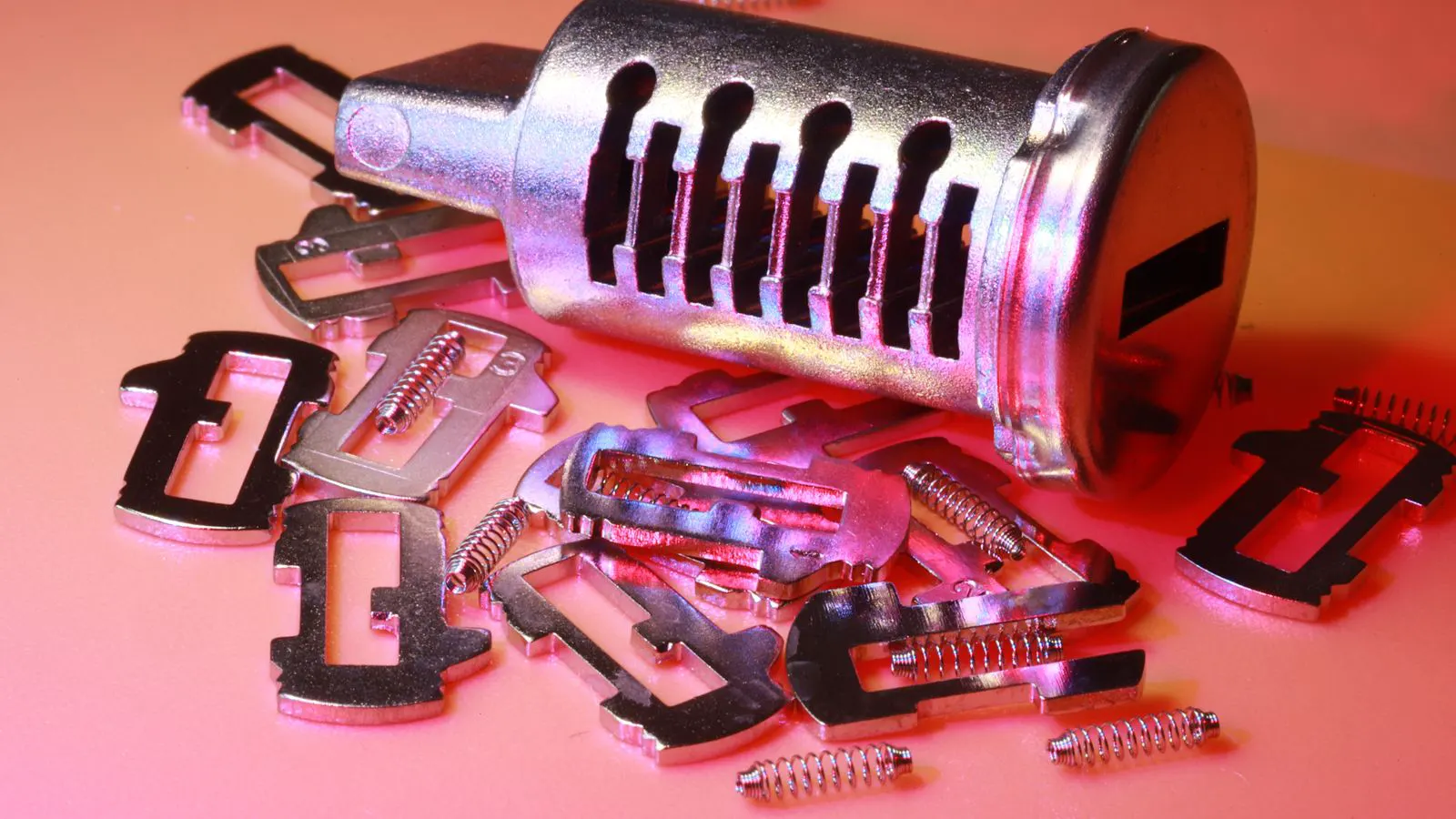
Die casting plating and electroplating both add metallic coatings to zinc alloy parts. The difference lies in the process method, chemical composition, and final surface properties. Selecting the right method depends on corrosion resistance, aesthetics, and part geometry.
- Die casting plating often uses chemical or semi-wet methods that allow thicker coatings on complex geometries.
- Electroplating provides a precise, thin coating with high dimensional stability but requires electrical conductivity.
- Chemical plating generally has better adhesion to zinc alloys without extensive mechanical pretreatment.
- Sourcing decisions must balance coating thickness, appearance, and the specific corrosion environment.
- Always verify supplier capability for the specific alloy and finish required.
What is the difference between these coating methods?
Die casting plating and electroplating are both secondary operations used to protect zinc alloy parts from corrosion and improve their appearance. They are often used interchangeably in quotes, but the technical distinction matters when specifying a finish.
Die casting plating is a broad term. It includes chemical plating, electroplating, and sometimes mechanical processes. In this context, it usually refers to the application of a metallic layer onto a zinc alloy die cast part. The term is often used when the plating is a chemical process, sometimes called immersion plating or semi-wet plating.
Electroplating is a specific type of die casting plating. It uses an electrical current to move metal ions from an anode to the part, which acts as a cathode. The part must be electrically conductive. Zinc alloy parts are conductive, but the process requires specific surface preparation to ensure the coating bonds properly.
The core difference is the energy source. Chemical plating relies on a redox reaction in the solution. Electroplating relies on applied voltage. This difference drives the trade-offs in thickness, uniformity, and cost.
How does the surface preparation differ?
Surface preparation is the most common cause of adhesion failure in secondary operations. For electroplating, the surface must be clean, dry, and conductive. Zinc alloy parts often require a mechanical process such as brushing or polishing to remove the oxide layer and create a mechanically sound surface.
Chemical plating is more forgiving. It can often bond to a passivated surface. A light cleaning or degreasing step is usually sufficient. The chemical bath handles the activation. This makes chemical plating attractive for parts with complex internal geometries where mechanical cleaning is difficult.
If you specify electroplating without requiring proper surface prep, the coating may flake. If you specify chemical plating, you get less risk of mechanical failure but may need to manage the chemistry carefully to avoid pitting.
The “How to Specify Surface Finish for Die Casting Machining Jobs” topic on this site covers the broader requirements for specifying finishes on machined parts. The principles are similar, but the alloy and process chemistry differ.
What are the coating thickness and uniformity trade-offs?
Electroplating allows for very precise control over thickness. A thin layer of nickel or chrome can be deposited with high repeatability. This is ideal for parts where dimensional stability is critical. However, electroplating has a limit. In complex cavities or deep recesses, the coating thickness drops significantly. This is known as the throw ratio.
Chemical plating generally deposits a thicker layer. The chemical ions diffuse into the part’s geometry. This makes it suitable for complex die cast parts with deep channels. The trade-off is that the surface may be less smooth. Chemical plating can be less uniform than electroplating if the solution is not agitated properly.
For a simple, flat part, electroplating often produces a better visual finish. For a complex part with many internal features, chemical plating may be the only viable option to ensure coverage.
When sourcing, ask for the minimum and maximum coating thickness you can expect on your specific part geometry. A supplier should be able to quote this based on the part drawing, not just the process name.
How do adhesion and corrosion resistance compare?
Adhesion is the bond between the coating and the zinc alloy. Zinc alloy has a high iron content and a porous structure. This makes adhesion tricky.
Electroplated coatings can have excellent adhesion if the surface is properly prepared. The mechanical interlock from the oxide layer removal helps. However, if the part is not cleaned correctly, the coating will fail.
Chemical plating often has better adhesion to zinc alloy because the chemistry is designed to bond to the alloy’s surface. The coating is often more ductile. This can be a plus if the part is subjected to vibration or thermal cycling.
Corrosion resistance depends on the metal used. A nickel electroplated finish is generally more corrosion resistant than a zinc chemical plating. However, a multi-layer chemical finish can offer comparable protection. The choice depends on the environment. For outdoor use, electroplating with nickel and chrome is often preferred. For internal components, chemical plating may be sufficient.
The “Troubleshooting: Adhesion Failure in Die Cast Plating” article details the specific failure modes to watch for. It is a useful reference when evaluating a supplier’s quality control.
How do cost and lead time affect sourcing?
Cost is driven by the process complexity and the volume. Electroplating requires an electrical setup. The bath chemistry is expensive and needs to be maintained. The lead time can be longer if the part requires multiple plating steps. For example, a nickel-chrome finish requires two baths.
Chemical plating is often simpler. It can be a single bath. This can reduce cost and lead time. However, the bath chemistry for chemical plating is also specialized. If the supplier does not have the specific bath, they may need to source it, adding lead time.
Volume matters. For high volume, electroplating can be more cost-effective per part because the energy cost is low. For low volume or prototype work, chemical plating may be cheaper because the setup is simpler.
When getting quotes, break the cost down. Ask for the cost of surface prep, the plating itself, and the inspection. A low quote might hide the cost of mechanical cleaning. A high quote might include a premium for a multi-layer finish.
The “Buyers Guide: Selecting Die Casting Machining Service Providers” topic covers how to evaluate suppliers for machining. The same principles apply to plating. You need a supplier who understands the interaction between the base alloy and the secondary process.
What are the typical mistakes to avoid?
The most common mistake is not specifying the finish thickness. “Plated” is too vague. You need to specify the metal, the minimum thickness, and the maximum thickness.
Another mistake is assuming that any plating supplier can handle zinc alloy. Some suppliers specialize in steel or aluminum. Zinc alloy requires different pretreatment. Verify the supplier’s experience with zinc alloy die cast parts.
A third mistake is ignoring the part geometry. If the part has deep cavities, do not specify a thin electroplated finish. It will not cover. Specify a thicker chemical finish or a different process like spray coating.
Finally, do not skip the adhesion test. Request a salt spray test or a cross-hatch adhesion test. The “Checklist: Verifying Secondary Processing Supplier Capabilities” topic provides a framework for verifying these tests.
Worked example: A complex automotive bracket
Consider a zinc alloy bracket used in an automotive steering system. It has a complex shape with deep mounting holes and internal channels. The part must resist corrosion from road salt and must maintain a specific hole diameter for assembly.
If you specify electroplating, the holes will not get full coverage. The coating will be thin inside the holes. This leads to corrosion in the holes. The part fails prematurely.
If you specify chemical plating, the coating will flow into the holes. The thickness will be uniform. The hole diameter may increase slightly, but you can specify a tolerance for that. The adhesion will be strong. The part will last longer.
In this case, chemical plating is the better choice. The cost might be higher per part, but the failure mode is avoided. The sourcing decision should be based on the part’s function, not just the price of the plating bath.
This example shows why the process choice is a technical decision, not just a cost decision. The “Outlook: Automation and AI in Secondary Die Casting Operations” topic discusses how automation can improve the consistency of these processes, but the fundamental trade-offs remain the same.
How does this affect the final cost?
The choice between die casting plating and electroplating affects the final cost in several ways. The plating cost is only part of the equation. Surface preparation, inspection, and quality control also add cost.
If you choose a process that requires more surface prep, the cost goes up. If you choose a process that requires more inspection, the cost goes up. The “Explainer: How Secondary Finishing Affects Die Casting Final Cost” topic details how these secondary operations impact the total part cost.
When budgeting, include the cost of the finish in the initial design phase. Do not treat it as an afterthought. A well-designed part that is easy to plate is cheaper than a poorly designed part that requires extensive repair.
The “How to Specify Surface Finish for Die Cast Machining Jobs” topic also covers the cost implications of different finishes. It is a good companion to this article.
Final thoughts
Die casting plating and electroplating are not the same thing. The terms are often confused, but the process differences have real consequences for part performance and cost.
Chemical plating is generally better for complex geometries and adhesion on zinc alloy. Electroplating is better for precise thickness control and high-volume production.
The right choice depends on the part’s function, geometry, and environment. Do not rely on a generic quote. Specify the process, the thickness, and the tests.
Verify your supplier’s capability. Ask for samples. Ask for test reports. The “Checklist: Verifying Secondary Processing Supplier Capabilities” topic is a useful starting point for this process.
The goal is a finish that lasts. Choose the process that delivers that, not just the cheapest option.
Frequently asked questions
Can I use electroplating on a zinc alloy part?
Yes, but the surface must be properly prepared. Electroplating requires a clean, conductive surface. Zinc alloy needs specific pretreatment to ensure adhesion.
Which process is better for corrosion resistance?
It depends on the metal used. A nickel electroplated finish is generally more corrosion resistant than a zinc chemical plating. However, a multi-layer chemical finish can be comparable. The environment determines the best choice.
What is the main advantage of chemical plating?
Chemical plating provides better coverage on complex geometries. It can flow into deep cavities and recesses where electroplating struggles. It also has good adhesion to zinc alloy.
Is die casting plating the same as electroplating?
No. Die casting plating is a broad term that includes electroplating, chemical plating, and other methods. Electroplating is a specific type of plating that uses electrical current.
How do I verify the quality of a plating finish?
Request a salt spray test and a cross-hatch adhesion test. Ask for the test reports. Verify the coating thickness with a micrometer or a coating thickness gauge. The "Checklist: Verifying Secondary Processing Supplier Capabilities" topic provides a framework for this.