
Zinc & Magnesium Alloys
Outlook: Low-Carbon Zinc and Magnesium Die Casting Trends
Low-carbon die casting trends center on energy efficiency, scrap utilization, and cleaner finishing. Buyers should prepare by auditing supplier energy sources
Technical details on zinc and magnesium alloy selection, properties, and casting challenges.
Low-carbon die casting trends center on energy efficiency, scrap utilization, and cleaner finishing. Buyers should prepare by auditing supplier energy sources

Specify magnesium alloy grades by matching mechanical strength, corrosion resistance, and surface finish needs to your part's service environment. This guide breaks down

High-speed zinc casting reduces lead time and tooling wear but increases per-unit cost. Standard die casting offers lower material rates. Your RFQ must specify tooling

Magnesium die castings are significantly lighter than zinc parts due to lower density. This reduces component weight, shipping costs, and assembly load. Buyers must

Magnesium corrodes faster than steel due to its reactive nature. Engineers prevent magnesium alloy corrosion through coatings, environmental control, and alloy

Importing magnesium castings requires rigorous supplier qualification. This guide details how to verify metallurgical consistency, dimensional accuracy, and logistics

To choose the right zinc alloy, match the grade to the part's load, plating needs, and production volume. Use a structured comparison of mechanical properties, corrosion
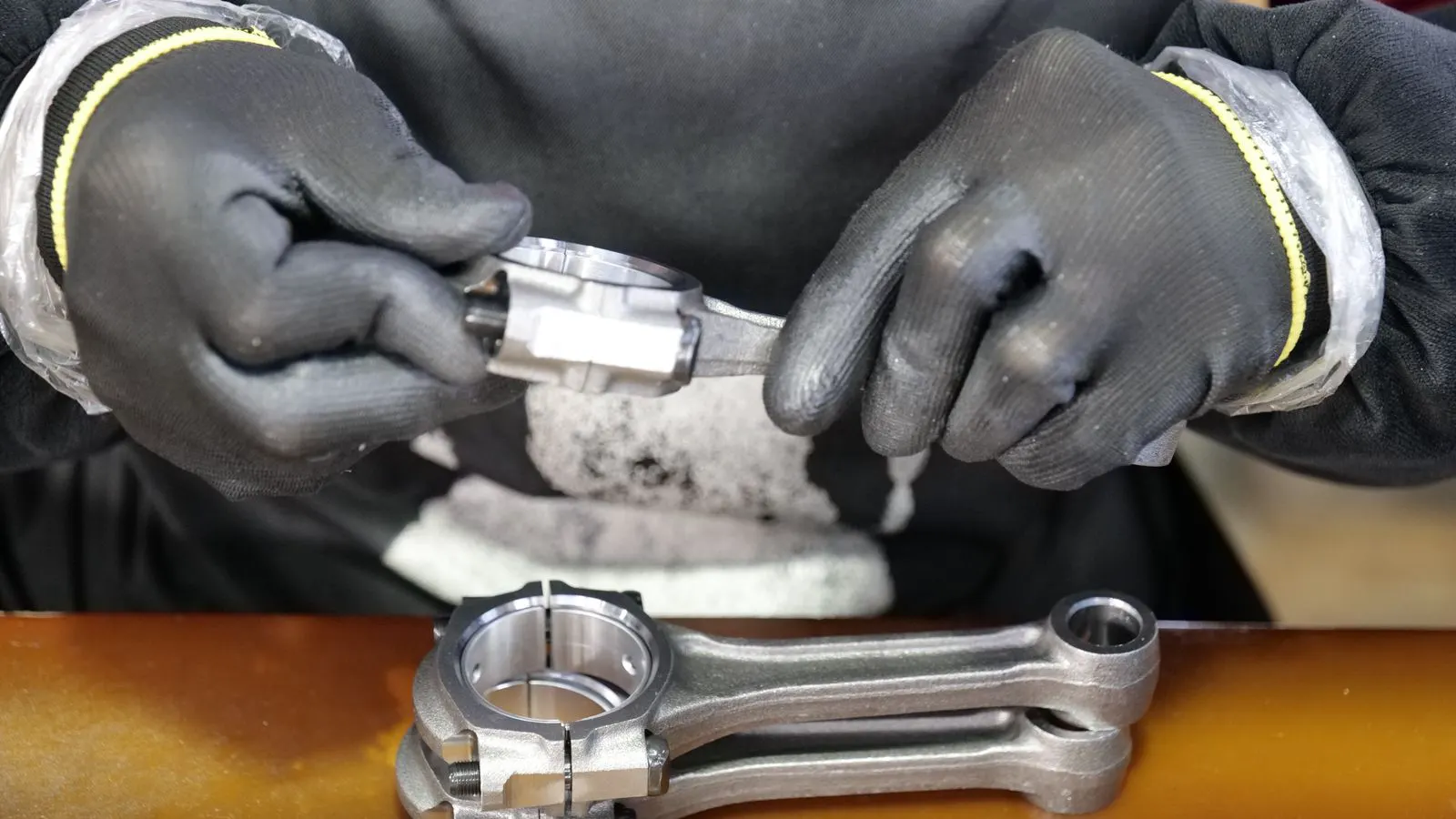
Excessive flash in zinc die casting usually stems from loose mold fit, high pressure, or poor gating. This guide lists common symptoms, root causes, and corrective

Zinc and magnesium castings have distinct grain structures and oxide layers that dictate how they prepare for plating and finishing. Zinc generally offers a smoother

Lightweight magnesium die casting is moving from automotive components to medical and e-mobility parts. Buyers must plan for tighter alloy certifications, corrosion

Zinc die castings generally offer a smoother, more stable surface for plating than magnesium. Magnesium parts require more surface preparation but yield lighter parts.
Zinc and magnesium die casting costs differ based on alloy price, part weight, corrosion protection, and tooling life. Lead times vary with tooling complexity and