Surface Finish Standards in Die Casting Explained
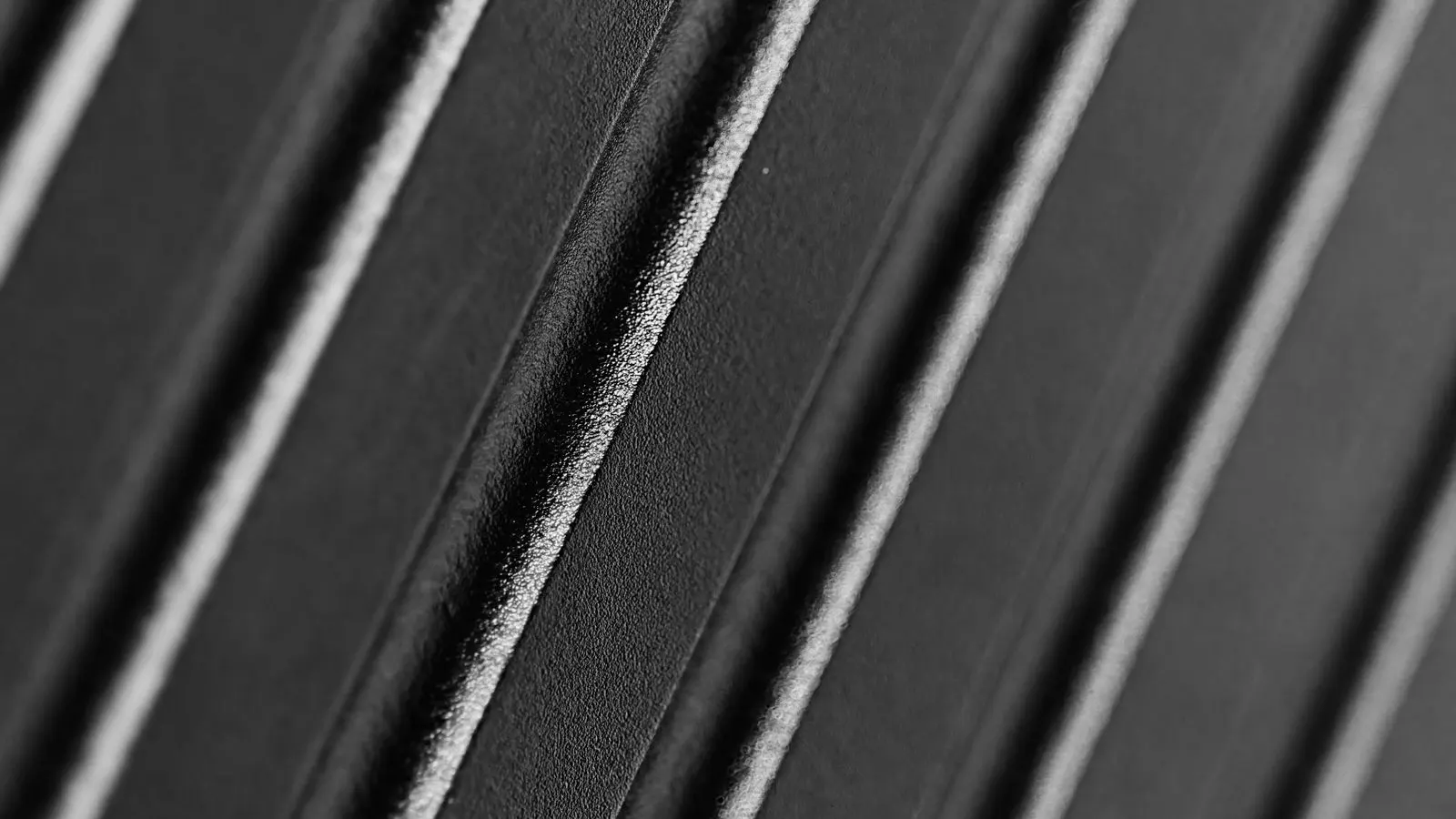
Surface finish in die casting refers to the smoothness or texture of a part’s final surface. This guide explains the key finish standards, how surface texture impacts function and cost, and how to specify requirements for die cast parts.
- Surface finish is a measurable property that affects part function, aesthetics, and cost.
- Smoother finishes generally require more careful die maintenance and slower casting speeds.
- Buyers should specify surface finish based on function and appearance, not just aesthetics.
- Finish standards help align expectations between suppliers and buyers.
- Surface texture can be managed through die design, coating, and post-casting operations.
What Is Surface Finish in Die Casting?
Surface finish in die casting refers to the overall smoothness, texture, and appearance of a part’s surface after it leaves the die. It is one of the most visible quality characteristics of a die cast part and can directly affect how the part functions, how it is handled, and how it is perceived by end users.
In practice, surface finish is not a single number. It is a combination of factors, including how smooth the surface feels, how reflective it is, how uniform it is, and whether it has visible patterns, lines, or marks. Because die casting is a high-speed molding process, the surface finish of a part is heavily influenced by die design, die material, cooling, and casting parameters.
When buyers specify surface finish, they are not only describing a visual preference. They are setting expectations for how the part will perform, how it will be finished in later operations, and what level of quality the supplier must deliver.
Why Surface Finish Matters for Buyers
Surface finish matters because it affects several parts of the sourcing decision. First, it influences part function. A part that will be used as a seal, a guide, or a housing may need a smoother surface to reduce friction, improve fit, or support a coating. Second, it affects cost and lead time. Smoother finishes can require more skilled die maintenance, lower production speeds, or additional finishing steps. Third, it affects inspection and acceptance. If the buyer does not define the expected surface texture, disputes can arise over whether a part is acceptable or not.
For professional buyers, the key is to tie surface finish to a clear requirement. If the part is purely cosmetic, a visual reference or a sample may be enough. If the part has a functional role, the finish requirement should be based on the application. This approach helps avoid over-specifying a finish that is not needed and helps ensure that the supplier understands what matters.
Common Levels of Surface Finish
Die cast parts can range from a rougher, more textured finish to a very smooth, highly detailed finish. The level of finish is often described in practical terms rather than a single universal scale.
The following table shows common surface finish levels and what they typically mean in a die casting context.
| Finish Level | Typical Appearance | Common Use |
|---|---|---|
| Rough | Visible texture, casting lines, or flow patterns | Internal parts, low-cost housings |
| Standard | Smooth but with minor texture | Most general-purpose die cast parts |
| Fine | Very smooth with reduced visible texture | Parts that need a clean look or a coating |
| High Detail | Minimal texture, sharp features | Cosmetic parts, parts with fine surface features |
These levels are practical categories, not a strict measurement system. In many cases, the best way to communicate the desired finish is to provide a sample or a visual reference. This helps both the buyer and the supplier understand what is expected.
How Surface Texture Affects Sourcing Decisions
Surface texture is closely related to surface finish, but it is often used to describe the physical feel of the surface. Texture can be caused by the die surface, the casting process, or the material itself. When texture is present, it can affect several sourcing decisions.
One key decision is whether to accept the as-cast finish or to specify additional finishing. If a part has a textured surface that is acceptable for function, the buyer can save cost by not adding machining or polishing. If the texture is a problem, the buyer must decide whether to adjust the die, change the casting process, or add a secondary operation.
Another decision is how to specify the requirement. Some buyers use a sample part. Others use a visual scale. In some cases, a roughness measurement is used, but this is less common in die casting than in other casting or machining processes. The important point is to choose a method that is practical and easy to inspect.
A buyer who understands the difference between rough, standard, fine, and high-detail finishes can make better decisions about cost, quality, and lead time.
How to Specify Surface Finish for Die Cast Parts
Specifying surface finish for die cast parts is straightforward if the buyer follows a clear process. The first step is to define the purpose of the finish. Is it for appearance? Is it for function? Is it to support a coating? The answer determines how much detail is needed.
The second step is to provide a reference. A sample part is the most useful reference because it removes ambiguity. If a sample is not available, a detailed description and a visual reference can be used. The third step is to agree on acceptance criteria. What will be measured? What will be visually inspected? What defects are acceptable?
The following is a plain-language example of how a buyer might specify surface finish.
- Identify the part and the application.
- State the desired finish level, such as standard or fine.
- Provide a sample or visual reference.
- Define any functional requirements, such as sealing or coating adhesion.
- Agree on inspection method and acceptance criteria.
This approach helps both sides of the transaction move forward with confidence.
How Finish Standards Help Buyers and Suppliers
Finish standards are shared references that help buyers and suppliers communicate in a consistent way. In die casting, surface finish is often described using practical categories, visual references, or sample parts. In some industries, more formal standards are used, but the practical approach remains the same: define what is expected and how it will be checked.
One of the biggest benefits of finish standards is that they reduce ambiguity. When a buyer says “fine finish,” the supplier may interpret that differently unless a reference or standard is provided. When a standard or sample is used, both sides have a shared understanding.
Another benefit is that finish standards support continuous improvement. If a part’s finish is consistently below the agreed level, the issue can be traced back to die condition, process parameters, or material. This makes it easier to solve the problem and avoid repeat defects.
For buyers, the key is to use finish standards as a tool for clarity, not as a rigid set of rules. The goal is to define a finish that is appropriate for the part and the application.
Worked Example in Plain Words
Consider a buyer who needs a die cast aluminum housing for an electronic device. The housing is not visible to the end user, but it must accept a protective coating. The buyer wants a smooth surface so the coating applies evenly.
The buyer first defines the requirement: the finish should be fine, not rough. The buyer then provides a sample part that shows the desired surface texture. The buyer also explains that the part will be coated, so the finish must be clean and free of deep pits or rough areas.
The supplier reviews the sample and confirms that the die can achieve the required finish. The supplier also explains that the die will need regular inspection and maintenance to keep the surface smooth. The buyer agrees to a visual inspection and a coating test to confirm that the finish meets the requirement.
In this example, the surface finish specification is tied to a real function: coating adhesion. The buyer does not over-specify a high-detail finish, which would increase cost. Instead, the buyer specifies a fine finish that is sufficient for the application. The supplier and buyer both understand what is expected and how it will be checked.
Conclusion
Surface finish in die casting is a practical quality characteristic that affects function, cost, and appearance. Buyers who understand the different levels of finish, from rough to high detail, can make better sourcing decisions. By using finish standards, samples, and clear acceptance criteria, buyers can reduce ambiguity and improve communication with suppliers. The key is to specify the finish based on the part’s function and application, not on a preference alone.
Frequently asked questions
What is the difference between surface finish and surface texture?
Surface finish describes the overall smoothness and appearance of a die cast part. Surface texture describes the physical feel or pattern of the surface. They are related but not identical.
How do I specify surface finish for a die cast part?
Define the purpose of the finish, provide a sample or visual reference, and agree on inspection and acceptance criteria. This helps both buyer and supplier understand the requirement.
Does a smoother finish always cost more?
In many cases, yes. Smoother finishes can require better die maintenance, lower production speeds, or additional finishing steps, which may increase cost.
Can surface finish be improved after casting?
Yes. Secondary operations such as machining, polishing, or coating can improve surface finish. The choice depends on cost and function.
Do finish standards exist for die casting?
Yes. Finish standards are practical references that help buyers and suppliers communicate about expected surface quality. They can include visual scales, samples, or functional requirements.