Post Casting Machining Cost Breakdown for Buyers
Post casting machining adds cost to die cast parts but is often necessary for fit and function. This guide breaks down machining costs, explains key drivers like material and tolerances, and shows how to manage your finishing budget. Learn to compare quotes fairly and write better RFQs to control costs.
- Post casting machining is often required for precision, fit, and function.
- Material type, tolerance, and surface finish are the main cost drivers.
- Clear RFQs and standardized design features improve quote accuracy.
- Comparing quotes requires looking at total part cost, not just machining rate.
- Early collaboration with machine shops can reduce finishing budget.
Why Post Casting Machining Affects Total Cost
Die casting produces parts with a specific shape and size. However, most functional parts require additional precision that casting alone cannot guarantee. Post casting machining removes excess material to achieve the dimensions needed for assembly, sealing, or movement. This step adds labor, tooling, and material removal to the manufacturing process. For buyers, understanding this step is critical because it directly impacts the total part cost.
Machining costs vary widely based on the complexity of the part and the specifications required. A simple hole for a bolt may cost very little, while a complex surface with tight tolerances can add a significant percentage to the final price. This article breaks down the financial impact of post casting machining. It explains the key cost drivers and provides a framework for evaluating quotes.
What Drives Machining Costs in Die Casting?
The cost of post casting machining is not a single rate. It is a combination of several factors. The primary drivers include the material being removed, the complexity of the geometry, and the required precision.
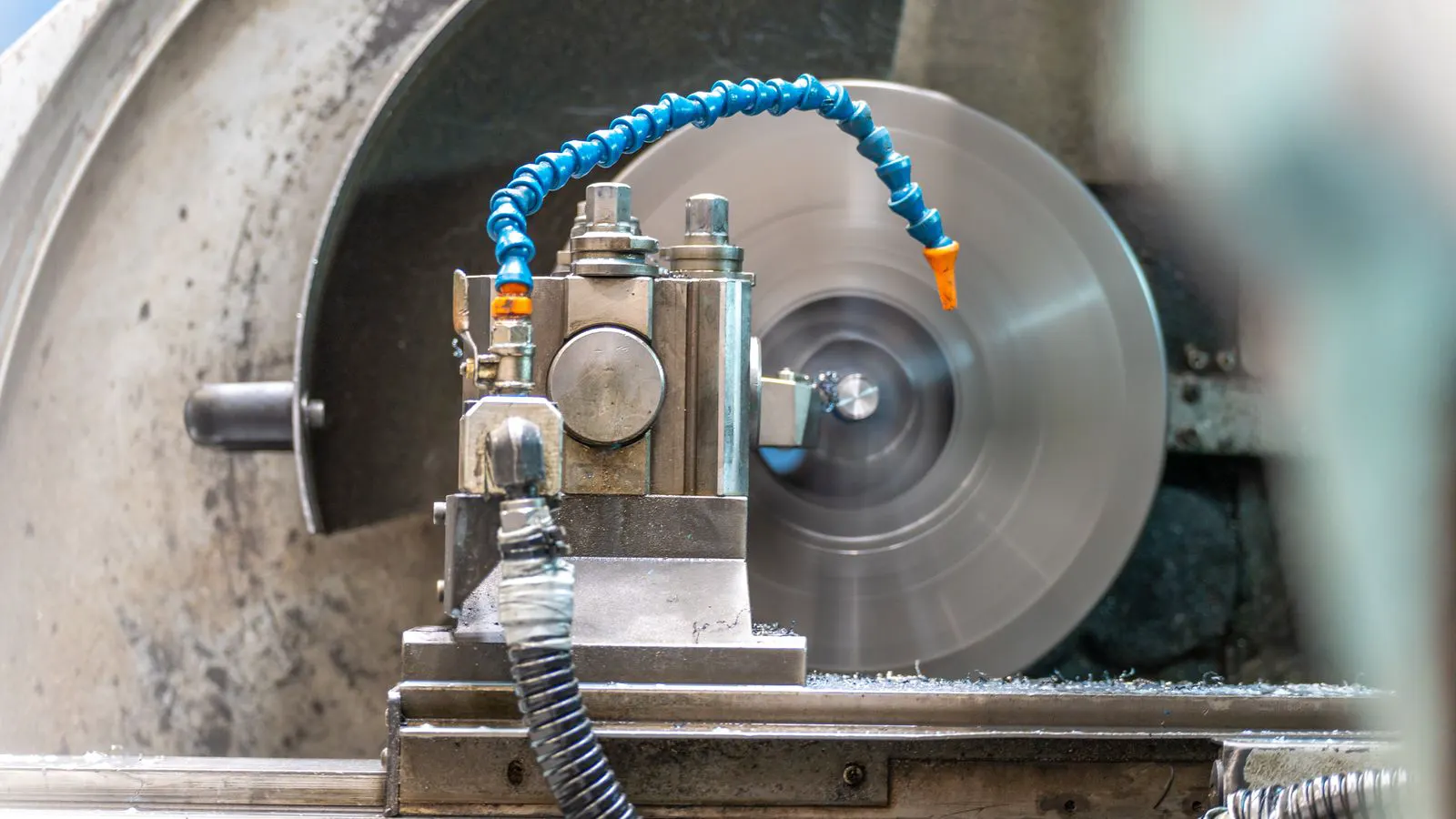
Material removal is the most direct cost. The more metal the machine must cut, the more time the machine spends cutting. This translates to higher labor costs and increased tool wear. If a part requires deep drilling, large milling flats, or turning of a large diameter, the cost will rise.
Geometry complexity also affects cost. Parts with many small holes, intricate contours, or difficult access points require more setup time and more precise toolpath planning. Simple parts with large, flat surfaces are generally cheaper to machine.
Tolerance and surface finish are the most expensive drivers. Loose tolerances are standard and inexpensive. Tight tolerances require slower cutting speeds, multiple passes, and more frequent calibration. Surface finish requirements, such as a smooth polish for a bearing seat, add significant time and skill to the process.
How to Compare Quotes Fairly
Receiving multiple quotes for post casting machining is common. However, comparing them is difficult if the quotes are not structured similarly. One quote may include tooling, while another might not. One may assume a standard batch size, while another assumes a smaller run. To compare quotes fairly, buyers must normalize the data.
Ask each supplier to break down the cost into separate line items. A good quote will show the cost of the die cast part, the cost of the machining, and any additional costs like heat treatment or plating. This allows you to see exactly how much the machining adds to the base price.
Also, compare the lead time for the machining operation. Sometimes a lower cost quote comes with a long lead time due to machine availability. If the part is critical to your production line, the higher cost with a faster delivery may be the better economic choice.
Look for assumptions in the quote. Does the quote assume the part will be machined in a single batch? Does it assume the casting is in a standard orientation? Misunderstandings about batch size or part orientation can lead to significant cost surprises later.
Key Cost Drivers Table
The following table summarizes the main factors that influence post casting machining costs. Use this table as a checklist when reviewing your RFQs and supplier quotes.
| Cost Driver | Description | Impact on Price |
|---|---|---|
| Material Removal | Volume of metal cut | High |
| Tolerance | Precision of dimensions | Very High |
| Surface Finish | Smoothness of final surface | High |
| Complexity | Number of features and access | Medium |
| Batch Size | Number of parts per setup | Medium |
| Machine Availability | Current load of the shop | Low to Medium |
How to Write a Clear RFQ for Machining
A vague RFQ leads to a vague quote. To get accurate pricing for post casting machining, your Request for Quotation must be specific. Include the die cast drawing with all machining features clearly identified. Use standard symbols for tolerances and surface finishes. If a feature is a “must-have” versus a “nice-to-have,” state this clearly.
Specify the material grade of the die casting. Different alloys, such as aluminum or magnesium, have different machinability and tool wear rates. This impacts the tooling cost and cutting time.
State the batch size explicitly. Pricing per part drops as the batch size increases due to amortized setup costs. If the batch size will change over time, request a price break for different volumes.
Finally, include the required inspection method. Do you need a first article inspection report? Do you need a dimensional inspection report for every batch? Inspection adds labor and time, so it must be included in the cost analysis.
Managing the Finishing Budget
Managing the finishing budget requires looking at the entire lifecycle of the part, not just the unit price. Sometimes, over-specifying a tolerance or finish is unnecessary. Work with your engineers to identify which features actually affect function. If a feature does not need a 5-micron tolerance, specify a looser tolerance to save money.
Standardize your machining features wherever possible. If multiple parts on the same line require the same type of hole or flat, group them together for machining. This reduces setup time and allows the machine shop to optimize the process.
Also, consider the impact of machining on the supply chain. If machining is a bottleneck, it may delay the entire part arrival. A slightly higher cost for a reliable machine shop may save you the cost of production downtime.
Conclusion
Post casting machining is a necessary step for many die cast parts, but it is a major cost factor. By understanding the drivers such as material removal, tolerance, and complexity, buyers can better control their finishing budget. Writing a clear RFQ and comparing quotes on a normalized basis are essential practices. Early collaboration with your machine shop allows for cost-saving design changes. With a clear understanding of these factors, you can manage the financial impact of post casting machining effectively.
Frequently asked questions
How much does post casting machining typically add to a part's cost?
There is no single answer. It depends on the part complexity and tolerances. It can range from a few dollars to a significant percentage of the total part cost.
Can I reduce machining costs by changing the die?
Yes. Designing the die to produce features closer to the final dimensions reduces the amount of material the machine must remove, which lowers cost.
What is the difference between rough machining and finishing?
Rough machining removes bulk material quickly. Finishing is the final step that achieves tight tolerances and good surface finish, and it is slower and more expensive.
How do I know if a quote is fair?
Ask for a detailed breakdown of costs. Compare the quote against the table of cost drivers. If the price seems too low, ask about assumptions regarding tolerances and batch size.
Does the die casting alloy affect machining cost?
Yes. Different alloys have different hardness and machinability. Softer alloys may cut faster, while harder alloys may require more powerful tools and slower speeds.