Post Casting Machining: Cost and Lead Time Guide
Post casting machining costs depend on material, tolerance, and part complexity. Lead time is driven by machining volume and finishing steps. A clear RFQ with drawings and tolerances helps you compare quotes fairly and predict delays.
- Machine setup fees and material cost are the two biggest drivers of post casting machining price.
- Tolerance class and surface finish requirements directly affect the time spent at the machine and the final bill.
- Include a complete set of drawings, tolerances, and part quantity in your RFQ to get comparable quotes.
- Lead time is usually determined by the number of operations and the availability of finishing steps like coating or plating.
- A second opinion from a third-party machining shop can help validate quotes and reveal hidden costs.
What Drives the Price of Post Casting Machining?
Post casting machining removes excess material from a die cast part to create the final functional dimensions. A casting comes off the machine with flash, gating marks, and nominal dimensions that rarely match the final assembly drawing. The secondary operations cut, grind, or shape these surfaces so the part fits into the next stage of assembly. The final price reflects the total time the part spends in the shop, the complexity of the tooling required, and the specific quality checks performed.
The material of the casting is the first variable a shop considers. Aluminum alloys are generally easier to machine than zinc or magnesium. Aluminum chips are soft and break away cleanly, which allows for higher feed rates and faster cycle times. Zinc castings are harder and more abrasive. They wear through tool edges faster and often require slower cutting speeds. Special alloys, such as high-strength magnesium or rare earth-enhanced aluminum, sit between these extremes. They demand sharper tooling and more frequent tool changes.
The amount of material removed determines the machine time. A shallow chamfer on a mounting flange might take seconds per part. A deep cavity milled into the center of a pump housing can take minutes. The tool spends more time cutting, which increases wear and energy use. If the part requires several deep pockets or large bores, the price rises quickly. Shops often separate the cost of material removal from the cost of setup.
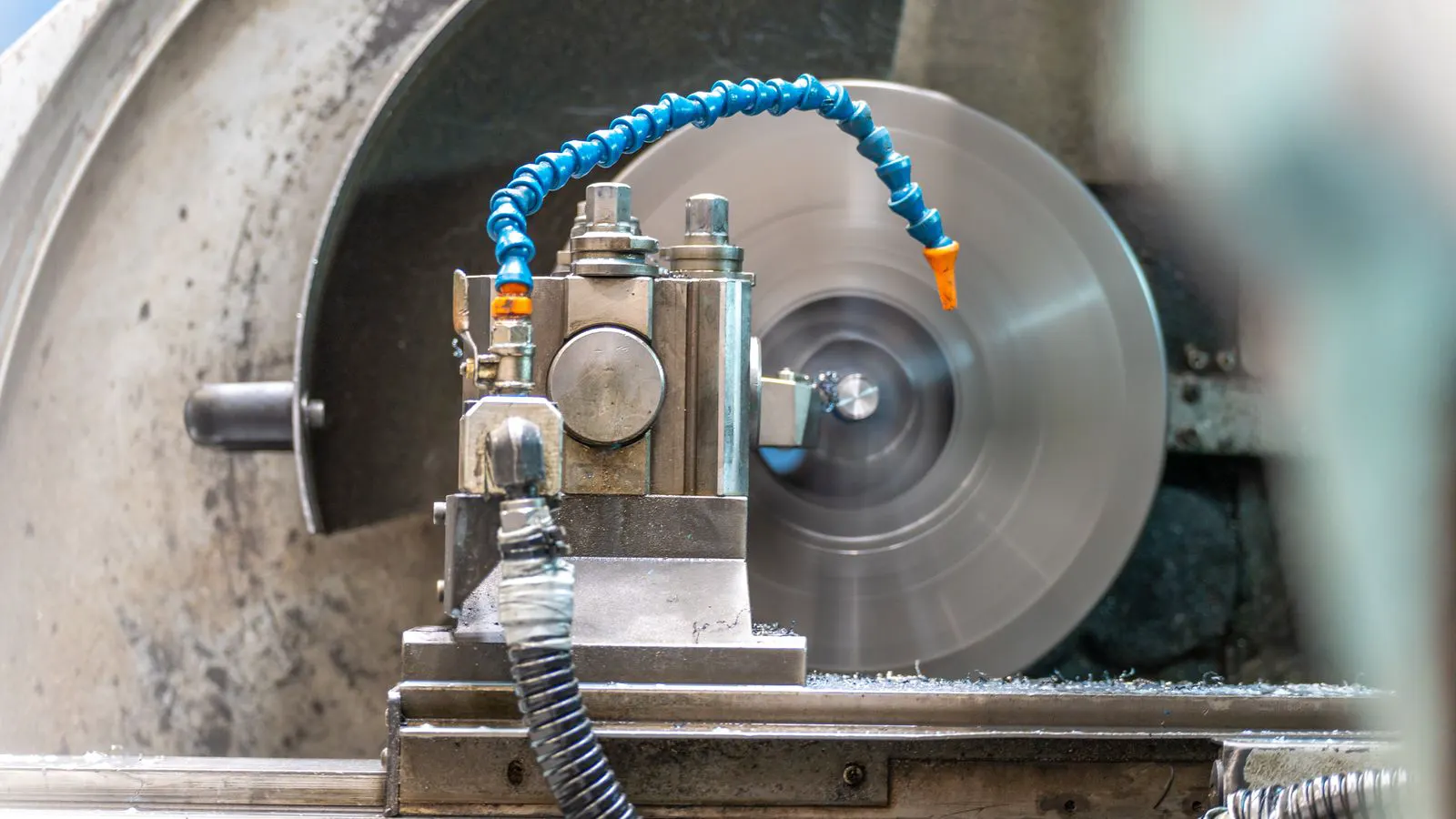
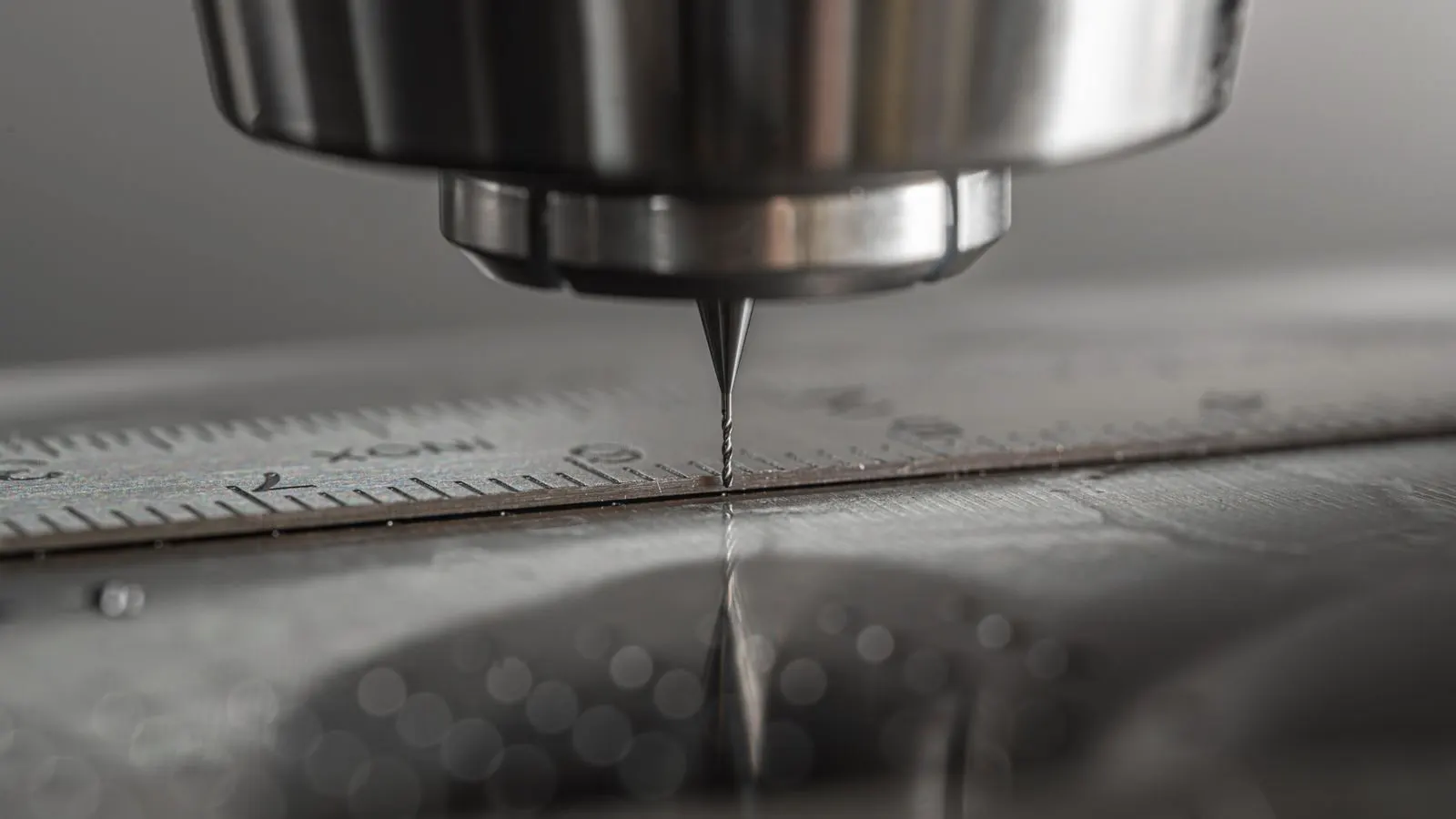
Tolerance class changes the entire machining strategy. A general tolerance of 0.1 mm is easy to achieve. Most CNC machines can hold this dimension with a standard milling operation. A tight tolerance of 0.01 mm requires slower cuts and often a final grinding pass. Grinding is slower than milling and requires a different type of tool. If the part needs a flatness tolerance of 0.02 mm across a large face, the machine must be calibrated and the fixture must be rigid. Surface finish requirements add to this. A smooth surface for a seal requires a finer cut or a polishing step. Rougher finishes allow for faster feeds and fewer passes.
How Does Part Complexity Affect Cost and Lead Time?
Complex parts take longer to machine and often require more setup. A simple bracket might need one face and two holes. A complex housing might need a bore, a counterbore, a thread, and a flat surface. Each operation adds setup time and machine time. The cost is not just the cutting. It is the time spent loading the part, aligning the tool, and verifying the first cut.
The number of operations is a direct cost driver. Setup time is charged in hours, even if the machine is not cutting. A part that needs to be clamped in three different positions will take longer to set up than a part that stays in one jig. If a feature is on the opposite side of the part, the operator must unload it, flip it, reload it, and re-zero the machine. This manual handling adds minutes per part and increases the risk of damage. Lead time follows the same logic. More operations mean more time in the queue. Each step is a potential point of failure.
Part geometry also matters. Deep holes require longer tools and slower feed rates. Long tools have less rigidity. They can vibrate or deflect, which ruins the hole diameter. Thin walls can vibrate and reduce tool life. If a part has undercuts or features that block tool access, the machine may need to rotate the part or use a special fixture. This increases setup cost and lead time. A part with a circular feature in the center of a flat face is easy to machine. A part with a feature in a recessed corner requires a special end mill or a rotary table.
What Is the Typical Lead Time for Secondary Operations?
Lead time for post casting machining depends on the volume, the complexity, and the finishing steps. A small batch of simple parts might be ready in a few days. A large run of complex parts can take weeks. The machining itself is often the fastest part of the process. CNC machines can run continuously. The delay usually comes from setup, inspection, and finishing. If the part needs painting, anodizing, or plating, the lead time extends by the time required for those processes.
Queue time is a major factor. If the shop is at full capacity, your part waits in the queue. This can add days or weeks to the lead time. To manage this, build buffer time into your schedule. Ask the supplier for a realistic lead time, not just a target time. A target time is what they hope to achieve. A realistic lead time accounts for their current backlog.
Finishing steps add hidden time. Anodizing requires a chemical bath. Plating requires an electrolytic tank. Painting requires a cure oven. These processes often run in batches. If the shop does not have enough parts to fill a batch, they may wait until the next scheduled run. This adds lead time even if the machine shop is fast.
How to Write a Clear RFQ for Post Casting Machining
A clear RFQ reduces back-and-forth and helps you get accurate quotes. The most common mistake is sending a vague request. “Machine these parts” is not enough. You need to specify what is required. A vague RFQ leads to multiple quotes with different assumptions. One shop might include inspection. Another might not. One might use a standard fixture. Another might build a custom one. The price difference can be significant.
Include the following in your RFQ:
- Complete CAD drawings with all critical dimensions and tolerances.
- A clear statement of the part quantity, including whether it is a prototype or a production run.
- The required surface finish and any special requirements like deburring or polishing.
- The material of the die casting, including the alloy if known.
- The required lead time and the ship date.
- Any specific packaging or labeling requirements.
If you have existing drawings, attach them. If you have a sample part, mention it. If you need a specific standard, state it. The more complete the RFQ, the more accurate the quote. A prototype run requires different tooling than a production run. For a prototype, the shop will likely use manual setup or a generic fixture. For production, they may invest in a custom jig or a programmed cycle. This changes the cost structure completely.
How to Compare Quotes from Different Suppliers
Quotes for post casting machining can look different from one shop to another. One shop may charge a flat setup fee. Another may charge by the hour. One may include inspection. Another may charge extra for it. To compare quotes fairly, break down the costs. Look at the setup fee, the per-part charge, and the finishing cost. A lower per-part charge might be offset by a higher setup fee. If the quantity is small, the setup fee is a larger part of the total cost. If the quantity is large, the per-part charge is more important.
Check what is included. Does the quote cover deburring? Does it include final inspection? Does it include shipping? A quote that looks low but excludes these items can become expensive later. Ask the supplier to clarify any ambiguous terms. For example, if the quote says “machined,” ask if that includes the specific operations you need. If the quote says “standard finish,” ask what that means in terms of Ra or Rz.
Also, check the supplier’s capacity. A low quote from a shop with a long queue can be worse than a higher quote from a shop with immediate availability. A part that arrives late can cost more in downtime than the difference in machining fees.
Cost Drivers Table
| Cost Driver | Impact on Price | Impact on Lead Time |
|---|---|---|
| Material | Aluminum is cheaper to machine than zinc or special alloys. | Material availability can delay start date. |
| Tolerance | Tighter tolerances require slower cuts and more passes. | Tighter tolerances increase machine time and inspection time. |
| Surface Finish | Fine finishes require polishing or grinding. | Finishing steps add time and require specialized equipment. |
| Part Complexity | More operations increase setup and machine time. | More operations increase queue time and risk of delay. |
| Part Quantity | Larger quantities reduce setup cost per part. | Larger quantities may require more machine time or multiple runs. |
| Finishing | Coating or plating adds a separate cost and step. | Finishing adds lead time and depends on supplier capacity. |
Managing Risk and Avoiding Delays
To avoid delays, plan for the worst case. Ask the supplier about their capacity and their current queue. If the lead time is tight, ask if they can split the production run. Splitting a large run into two smaller batches allows the shop to start the first batch immediately. This reduces the risk of a total delay. If the part is critical, consider having a second supplier ready. A second quote is not just a backup. It is a way to verify the price and the lead time.
Also, communicate clearly. If the drawing changes, update the RFQ immediately. If the ship date moves, tell the supplier early. These small steps prevent big problems. A drawing change after setup can require a complete rework. A late notice of a ship date change can force the shop to reschedule other jobs.
Post casting machining is a standard part of the production process. It adds cost and lead time, but it is necessary to reach the final dimensions. By understanding the cost drivers and writing a clear RFQ, you can predict the impact on your budget and schedule.
Frequently asked questions
What is the biggest cost driver for post casting machining?
The biggest cost drivers are the material, the tolerance class, and the number of operations. Tight tolerances and complex parts cost more because they take longer to machine and inspect.
How can I reduce the cost of post casting machining?
You can reduce cost by simplifying the design, using looser tolerances where possible, and increasing the part quantity. A larger quantity spreads the setup cost over more parts.
What is the typical lead time for a small batch of machined die cast parts?
A small batch of simple parts can be ready in a few days. A complex part or a part with finishing steps may take longer. Always confirm the lead time with the supplier.
Do I need to include tolerances in my RFQ?
Yes. Tolerances are critical. Without them, the shop may use standard tolerances, which may not meet your requirements. Always include the specific tolerances on the drawing.
How do I know if a quote is too low?
A quote that is significantly lower than the others may exclude key items like inspection, deburring, or finishing. Ask the supplier to clarify what is included in the quote.