Explainer: How Melt Temperature Affects Die Cast Porosity
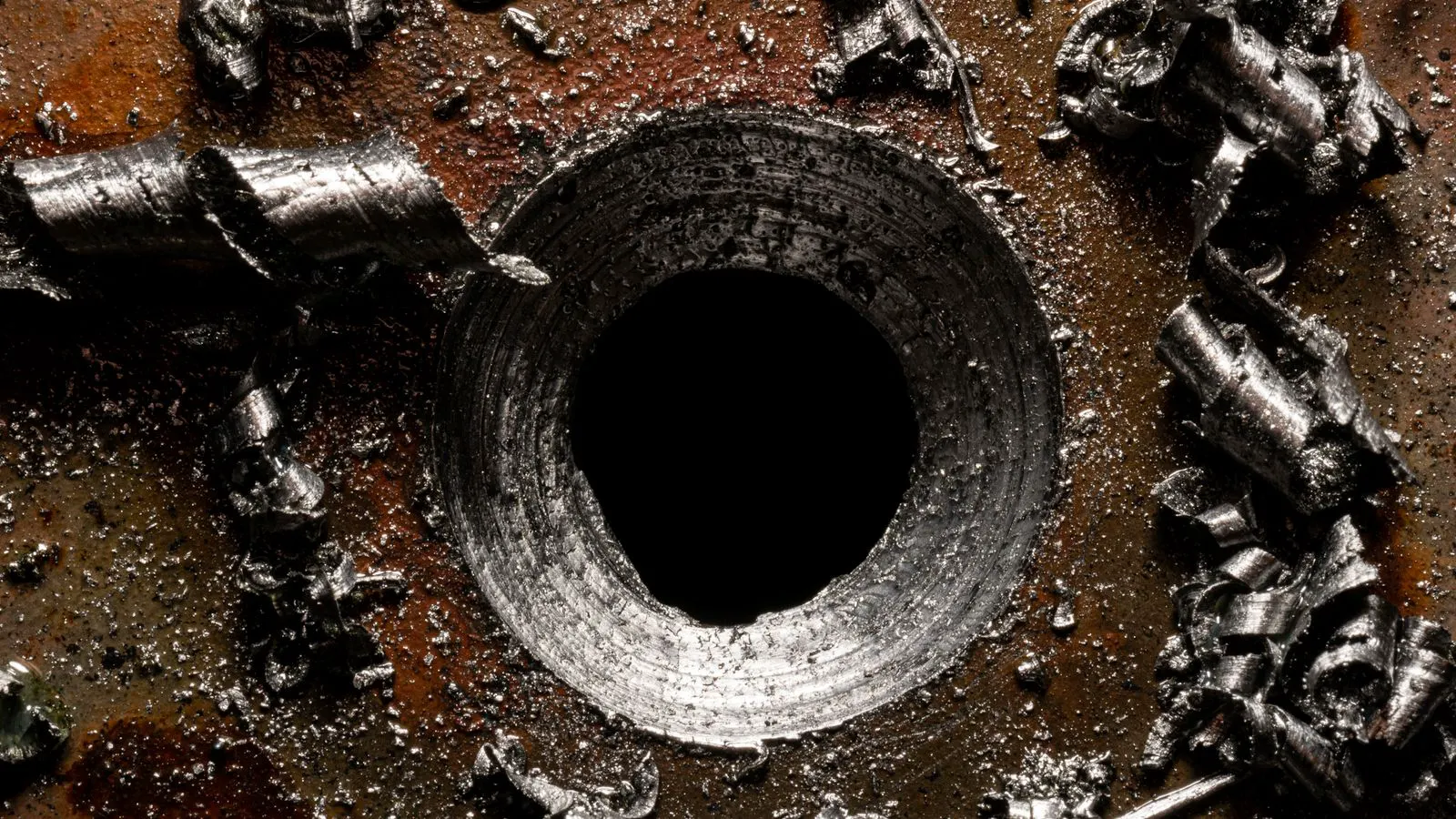
Melt temperature porosity forms when molten metal is too hot, trapping hydrogen gas bubbles. Engineers control this variable through strict heat management and cooling rates. Buyers should verify these controls in supplier quotes to ensure consistent part quality.
- High melt temperatures increase hydrogen solubility, creating more gas porosity in the final part.
- Precise temperature control at the pouring station is the primary defense against gas porosity.
- Sourcing quotes must specify temperature monitoring and process parameter limits.
- Cooling rates after pouring interact with melt temperature to determine porosity risk.
- Buyers should request process data to verify supplier porosity control capabilities.
Why Melt Temperature Drives Gas Formation
Gas porosity in die casting begins before the metal touches the die. The variable that most often starts the chain is the temperature of the melt as it enters the machine. When molten aluminum holds more heat than necessary, it dissolves more hydrogen gas. That hydrogen remains trapped until the metal cools and solidifies. The bubbles then expand or remain locked inside the part.
This is not a random failure. It is a physical reaction between heat and dissolved gas. The higher the temperature, the more gas the metal can hold. Most die casters know this relationship. The challenge for buyers is verifying that suppliers actually manage it.
Many suppliers treat melt temperature as an internal detail. They do not show it in quotes. They do not mention it in quality plans. If your part has high porosity risk, this gap in documentation becomes a sourcing problem. You need to know how the supplier controls this variable.
How Hydrogen Gets Into the Melt
Hydrogen enters molten aluminum through several paths. Water vapor from the air is the main source. When melt temperature rises, the surface of the bath evaporates more water. That water vapor carries hydrogen into the liquid. The hotter the bath, the more water vapor it generates.
Hydrogen also comes from the raw material. Scrap with surface oxidation can introduce moisture. If a supplier uses a high percentage of recycled scrap, the hydrogen load can increase. Melt treatment with deoxidizers helps, but it cannot remove all gas if the temperature is too high.
This is why melt temperature porosity is a process variable, not just a material issue. The same bar stock can produce different porosity levels depending on how it is melted and held. The difference is the heat management.
The Pouring Window and Cooling Interaction
Melt temperature does not act alone. It interacts with the cooling rate inside the die. When hot metal enters the die, the die walls absorb heat. The metal solidifies from the outside in. As it cools, the hydrogen solubility drops. Gas comes out of solution.
If the cooling is too fast, the gas may get trapped before it can escape. If the cooling is too slow, the metal may remain liquid long enough for the gas to form large bubbles. The ideal window depends on the part geometry and the alloy. Thin sections cool quickly. Thick sections cool slowly.
The pouring temperature sets the starting point for this interaction. A melt that is too hot gives the die less time to reach the right cooling profile. The metal stays liquid longer, and the gas has more room to expand. This is why gas porosity control requires coordination between the melting furnace, the die, and the cooling system.
Process Parameters That Matter to Buyers
When you review a supplier quote for a part with porosity risk, you are not just checking the alloy. You are checking the process. The following parameters determine how well the supplier manages melt temperature porosity.
| Parameter | What It Controls | Why It Matters to Buyers |
|---|---|---|
| Melt Temperature | Hydrogen solubility | Higher temps increase gas content |
| Pouring Rate | Die filling uniformity | Slow filling traps gas in cavities |
| Die Temperature | Cooling speed | Affects gas escape window |
| Venting Design | Gas escape path | Poor vents increase porosity risk |
| Holding Time | Gas saturation | Long holds increase hydrogen load |
These parameters are not isolated. They work together. A supplier may have perfect melt temperature but poor venting. The gas has nowhere to go. Or a supplier may have excellent venting but a melt that is too hot. The gas volume is too high to escape.
Buyers should ask how these parameters are set. They should ask how they are monitored. They should ask what happens when a parameter drifts. The answers reveal whether the supplier treats porosity as a controlled process or a hope.
A Worked Example: A Bracket with Gas Porosity
Consider a small aluminum bracket for an automotive interior. The part has thin walls and a small boss. The boss is where the metal fills last. Gas porosity often appears in the boss because the gas rises to the high point.
A supplier initially used a melt temperature that was high. The bracket failed in testing. The boss showed internal porosity. The supplier raised the die temperature to speed up cooling. That made things worse. The gas had less time to escape.
The supplier then lowered the melt temperature. They added a holding time to let the gas settle. They improved the venting on the boss. The porosity dropped. The key was the melt temperature change. The other changes supported it, but the temperature was the main lever.
This example shows how one variable can mask another. If the buyer had only checked the final part, they would not have seen the process issue. They would have seen the defect. The fix required process data, not just inspection.
How Sourcing Decisions Change With This Knowledge
When you understand melt temperature porosity, your sourcing conversation changes. You stop asking only if the supplier can make the part. You start asking how they control the gas.
You should ask for the process parameters used on your part. You should ask if they monitor melt temperature in real time. You should ask if they have a plan for when the temperature drifts. You should ask how they handle scrap that may carry extra hydrogen.
You should also ask about their testing. X-ray inspection finds porosity after the fact. Ultrasonic testing finds it faster. But both are verification, not prevention. Prevention comes from the process. The supplier should show that they control the cause, not just detect the effect.
This is not about being difficult. It is about risk. A part with internal porosity may fail in service. A small bubble in a thin wall may not show in inspection but may crack under stress. You want the supplier to manage the process, not just find the defect.
Final Checks for Your Supplier Quote
Before you award a contract, review the quote for porosity controls. Look for specific language. Look for process data. Look for a quality plan that mentions gas porosity control.
If the quote is vague, ask for clarification. If the supplier cannot provide process parameters, that is a red flag. A capable die caster knows their melt temperature range. They can tell you the holding time. They can explain the venting strategy.
You are not just buying a part. You are buying a process. The process must be stable. The variables must be controlled. Melt temperature is the first variable to check. If the supplier cannot control it, they cannot control the porosity.
Frequently asked questions
What is the main cause of gas porosity in die casting?
Gas porosity is mainly caused by hydrogen gas dissolved in the melt. High melt temperature increases hydrogen solubility, creating more gas bubbles.
How does melt temperature affect the cooling rate?
Melt temperature sets the starting point for die cooling. Hotter metal stays liquid longer, which changes the window for gas to escape the part.
Should I require melt temperature data in my supplier quote?
Yes, if your part has porosity risk. Melt temperature data shows whether the supplier controls a key process variable.
Is deoxidizer treatment enough to prevent gas porosity?
No. Deoxidizer helps, but it cannot remove all gas if the melt temperature is too high. Temperature control is the primary defense.
How do buyers verify porosity control in a supplier?
Buyers should request process parameters, testing methods, and a quality plan that addresses gas porosity control.