
Tooling & Dies
Comparison: Hot Die vs Cold Die Selection
Hot die casting uses preheated molds for complex shapes and high volumes. Cold die casting uses room temperature molds for simple parts. Selection depends on alloy flow

Insights into die materials, life, maintenance, and how tooling affects part quality.
Hot die casting uses preheated molds for complex shapes and high volumes. Cold die casting uses room temperature molds for simple parts. Selection depends on alloy flow

A sudden increase in die casting scrap usually points to process drift, die wear, or feedstock issues. Check the first five minutes of a shift, inspect part surfaces
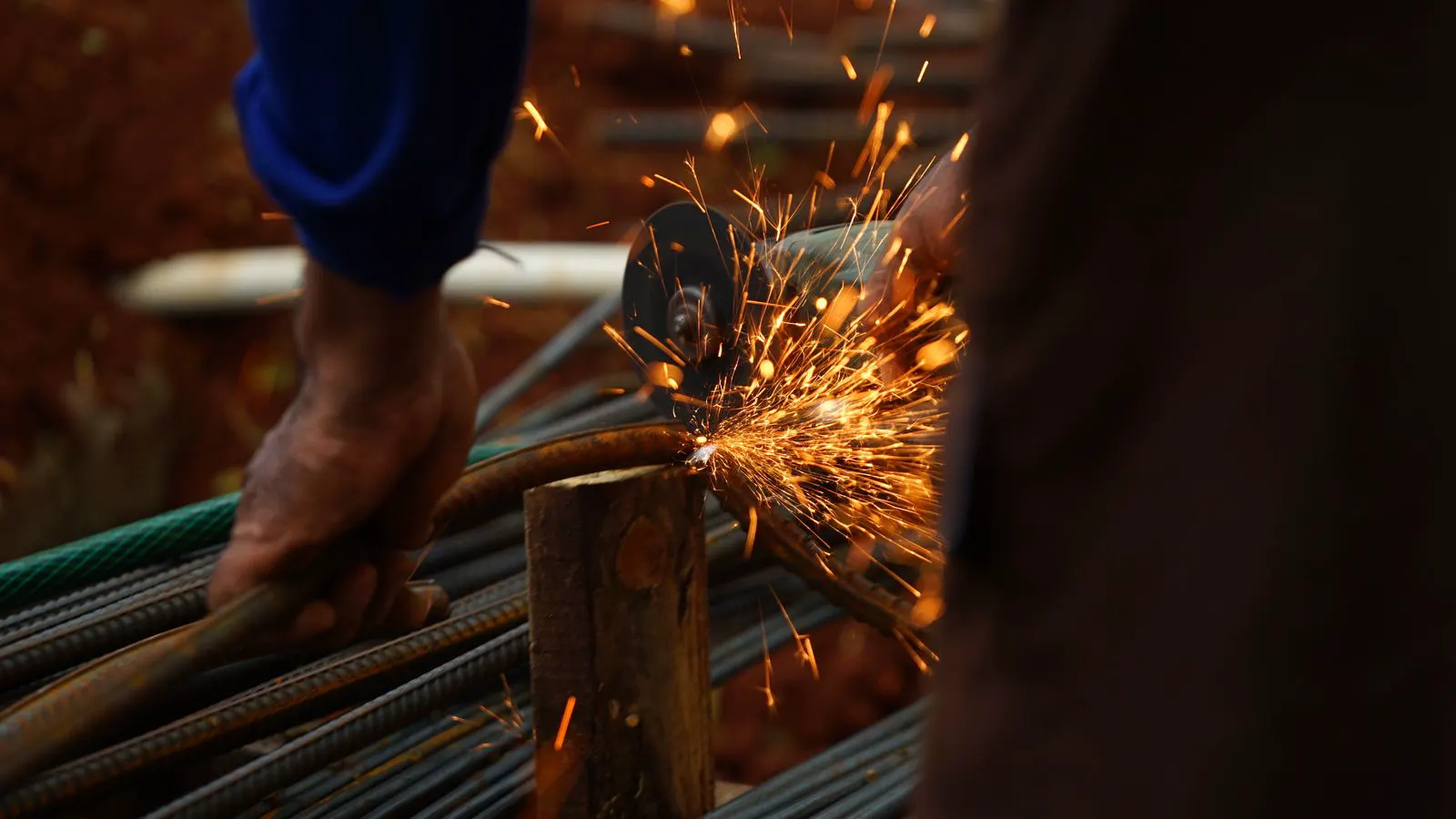
Die tool life determines how many shots a mold survives before repair or replacement. Longer life lowers cost per part, while short life increases downtime and
High-volume die design is shifting toward integrated automation, predictive tool life, and modular tooling. These changes lower per-part costs but require earlier

Engineers compare standard and high-speed die steel based on hardness, thermal stability, and cost. High-speed grades handle longer runs and higher pressures, while
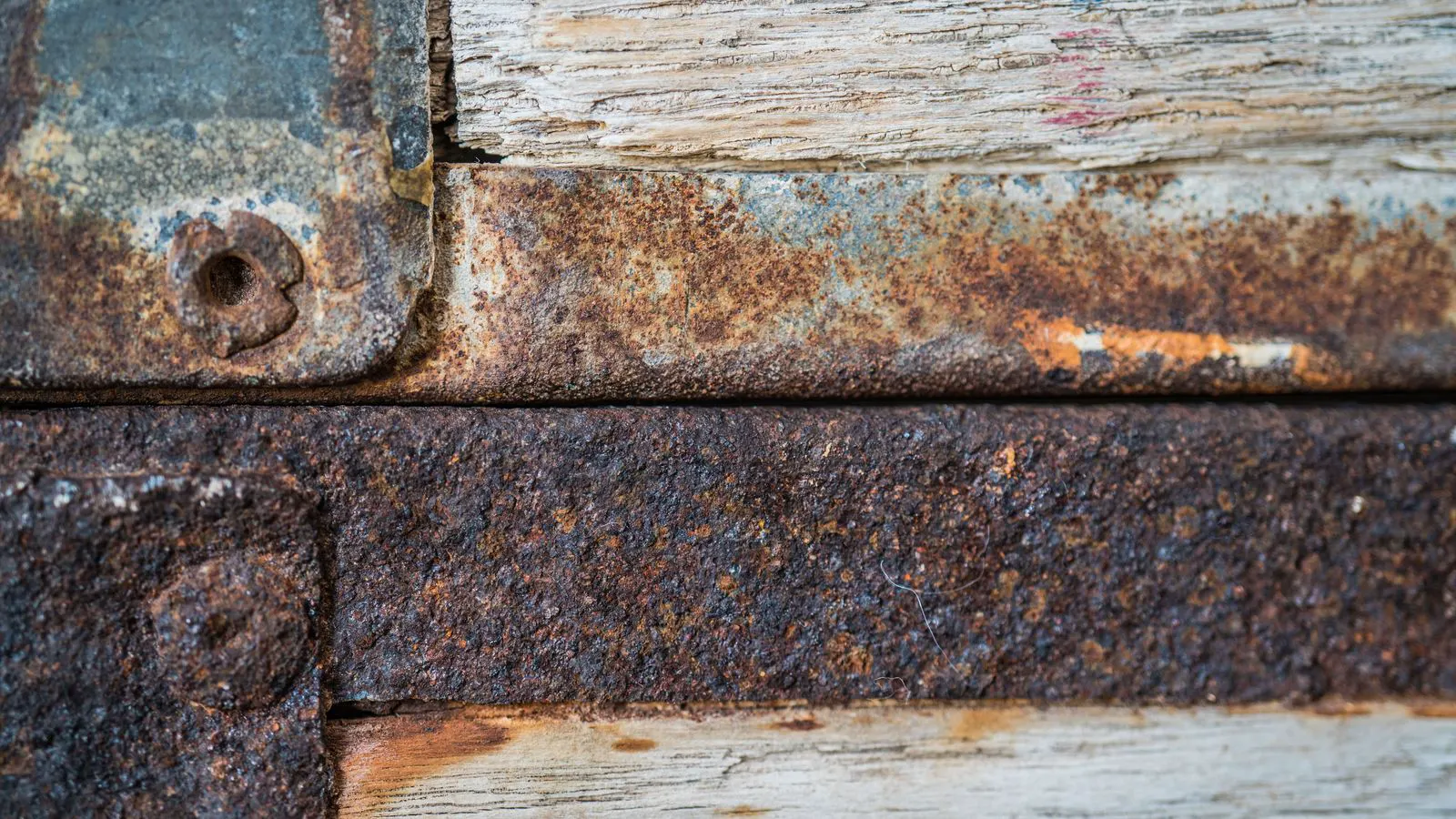
Premature die failure usually stems from lubrication gaps, thermal shock, or material mismatch. Engineers can stop early wear by matching symptoms to root causes
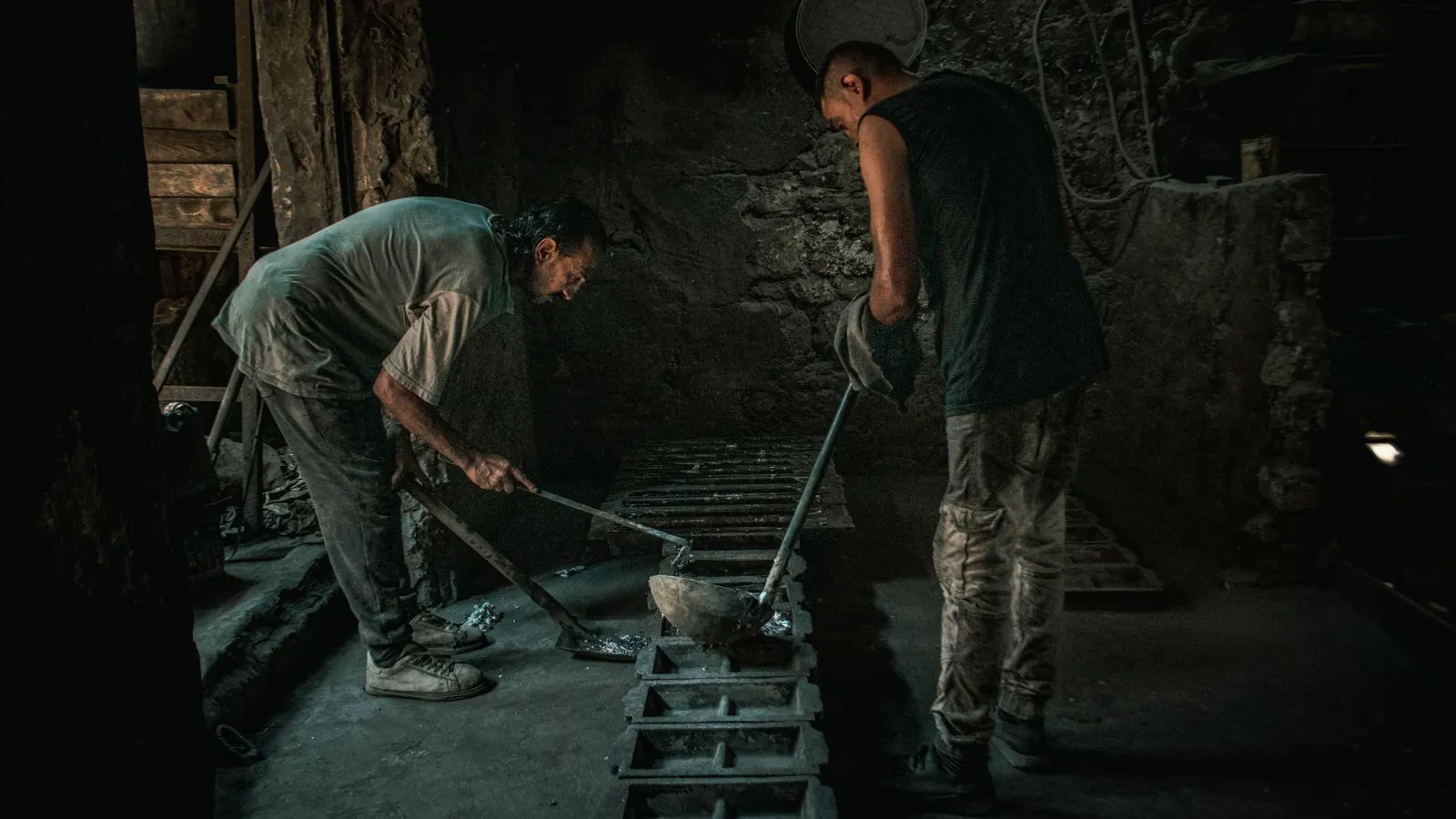
Choose hot die casting for high-volume, thin-wall, or complex aluminum parts where tooling life and cycle time drive cost. Choose cold die casting for lower volumes
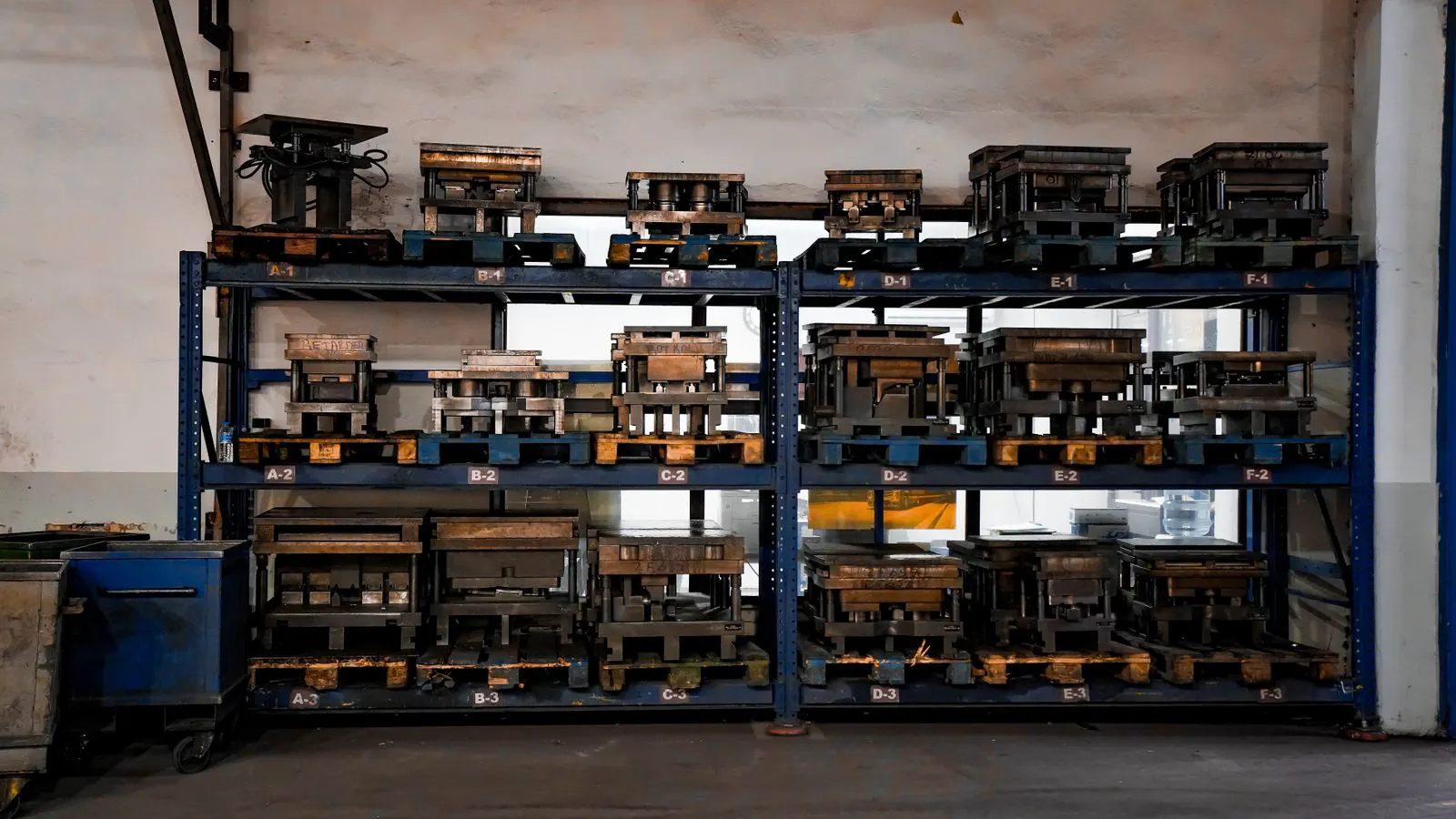
Correct die hardening requires selecting appropriate mold steel, preheating, quenching, and tempering. This guide provides step-by-step instructions to prevent cracking
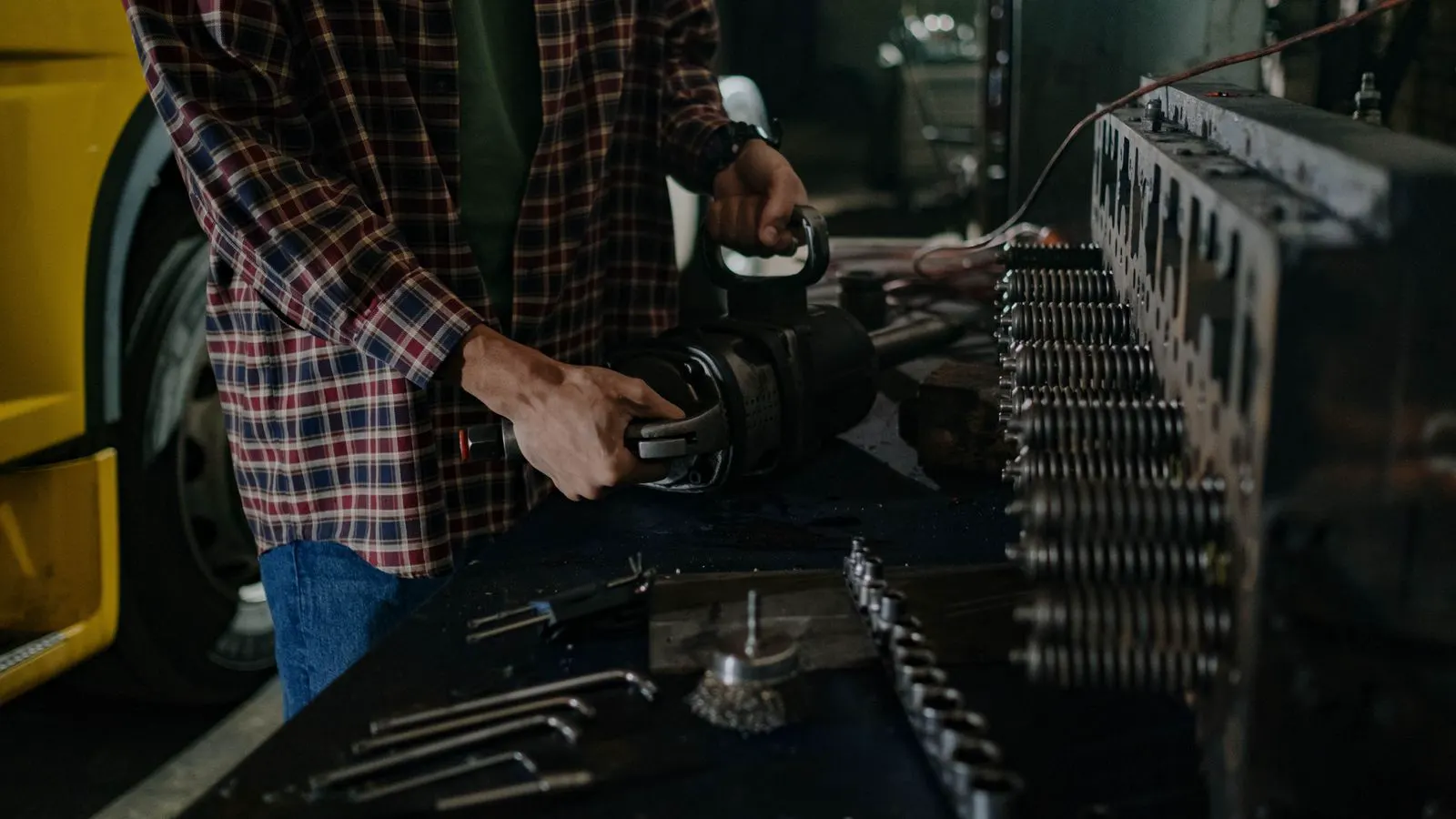
A structured die maintenance routine helps engineers inspect critical surfaces, lubricate moving parts, and identify wear early. This checklist covers pre-production

Reducing tool lead time requires early collaboration, clear specifications, and standardized design. Procurement managers can accelerate delivery by simplifying