Explainer: Why Die Cast Parts Need Secondary Machining
Die casting produces near-net-shape parts, but it cannot always meet final engineering drawings. Secondary machining corrects dimensional errors, surface defects, and fit requirements. Understanding post casting operations helps buyers source parts reliably and avoid costly rework during assembly.
- Secondary machining corrects dimensional variances that the casting process cannot always control within tight engineering tolerances.
- Post casting operations include turning, milling, drilling, and surface finishing to meet final drawing requirements.
- Buyers should specify which features require machining and which can be left as-cast to control costs and lead times.
- Understanding machining tolerances helps prevent fit issues during assembly and reduces the need for rework.
Die casting produces complex shapes quickly, but it rarely delivers every dimension on the final engineering drawing. The process relies on molten metal flowing into a die under pressure. That flow path, cooling rate, and material shrinkage create variation. A part can look perfect and still fall outside the acceptable dimensional envelope for the end application. Secondary machining exists to close that gap.
This article explains why die casting machining is required for final specifications. It covers the technical reasons behind post casting operations and how those requirements affect sourcing decisions. It also includes a worked example to show how a simple part requires machining to perform in service.
Why as-cast dimensions do not meet engineering tolerances
The die casting process is designed for speed and volume. It produces near-net-shape parts, meaning the geometry is close to the final form. The die itself is a metal mold. It is precise, but it does not account for every variable in the production cycle.
Several factors introduce variation. Molten metal shrinks as it cools. The amount of shrinkage depends on the alloy, the cooling rate, and the gate design. When the metal solidifies, internal stresses can shift the part slightly. The die also wears over time. Microscopic changes in the die cavity alter the final shape of the cast part.
For a structural bracket, a few hundredths of an inch of variation may be acceptable. For a mating surface in a gearbox, the same variation can prevent the part from fitting. The casting process produces a statistical distribution of part dimensions. Secondary machining removes the material outside that distribution and holds the critical features to the required tolerance.
What post casting operations correct
Post casting operations are the processes that modify the cast part after it leaves the die. These operations remove excess material and create precise surfaces. The type of operation depends on the feature being corrected.
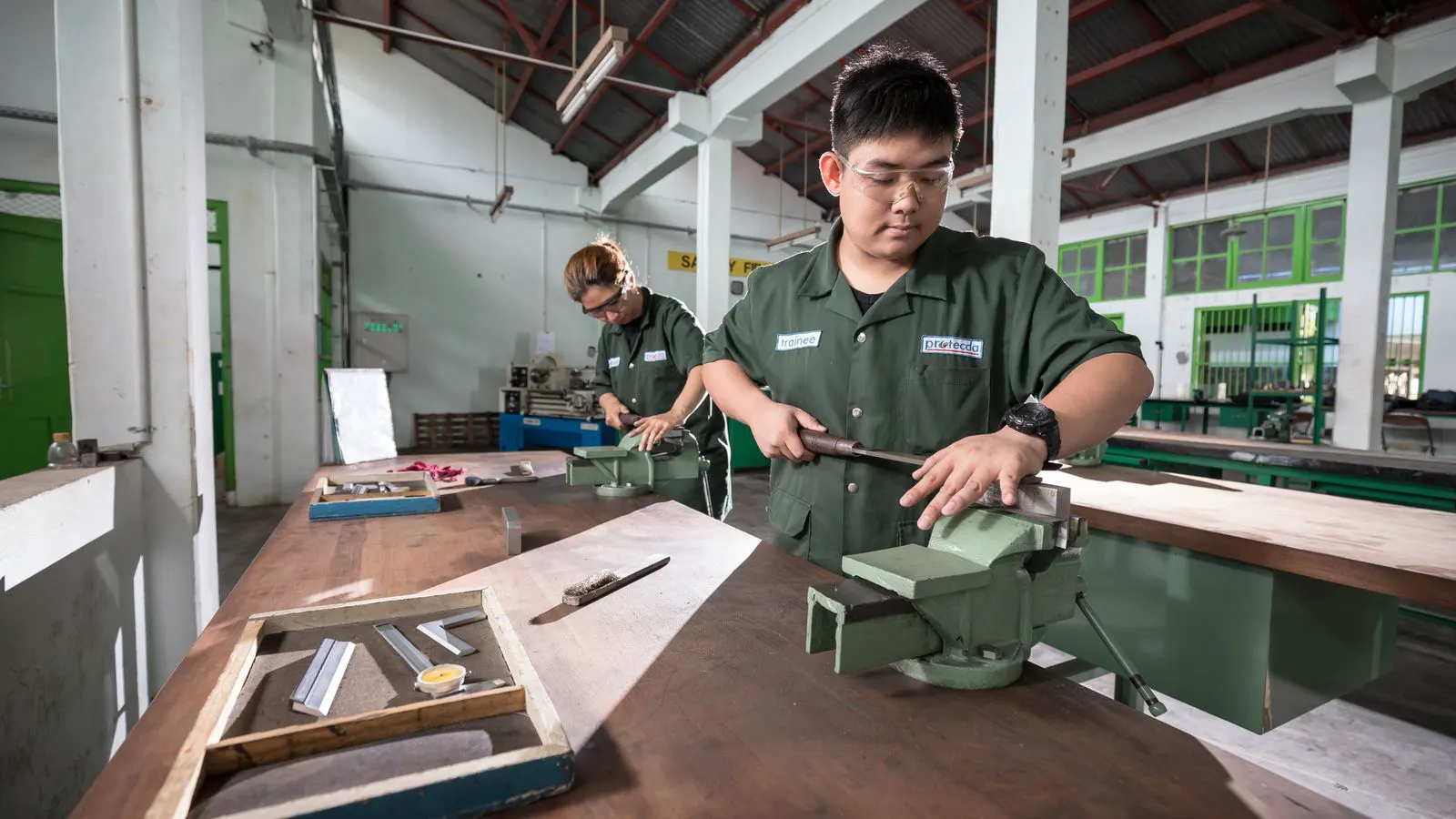
Turning and milling remove material from flat or cylindrical surfaces. They are used to control thickness, diameter, and face position. Drilling and tapping create holes at specific locations and depths. The casting may include a rough bore or a flash ring around the hole. Machining finishes the bore to the exact diameter and depth required by the drawing.
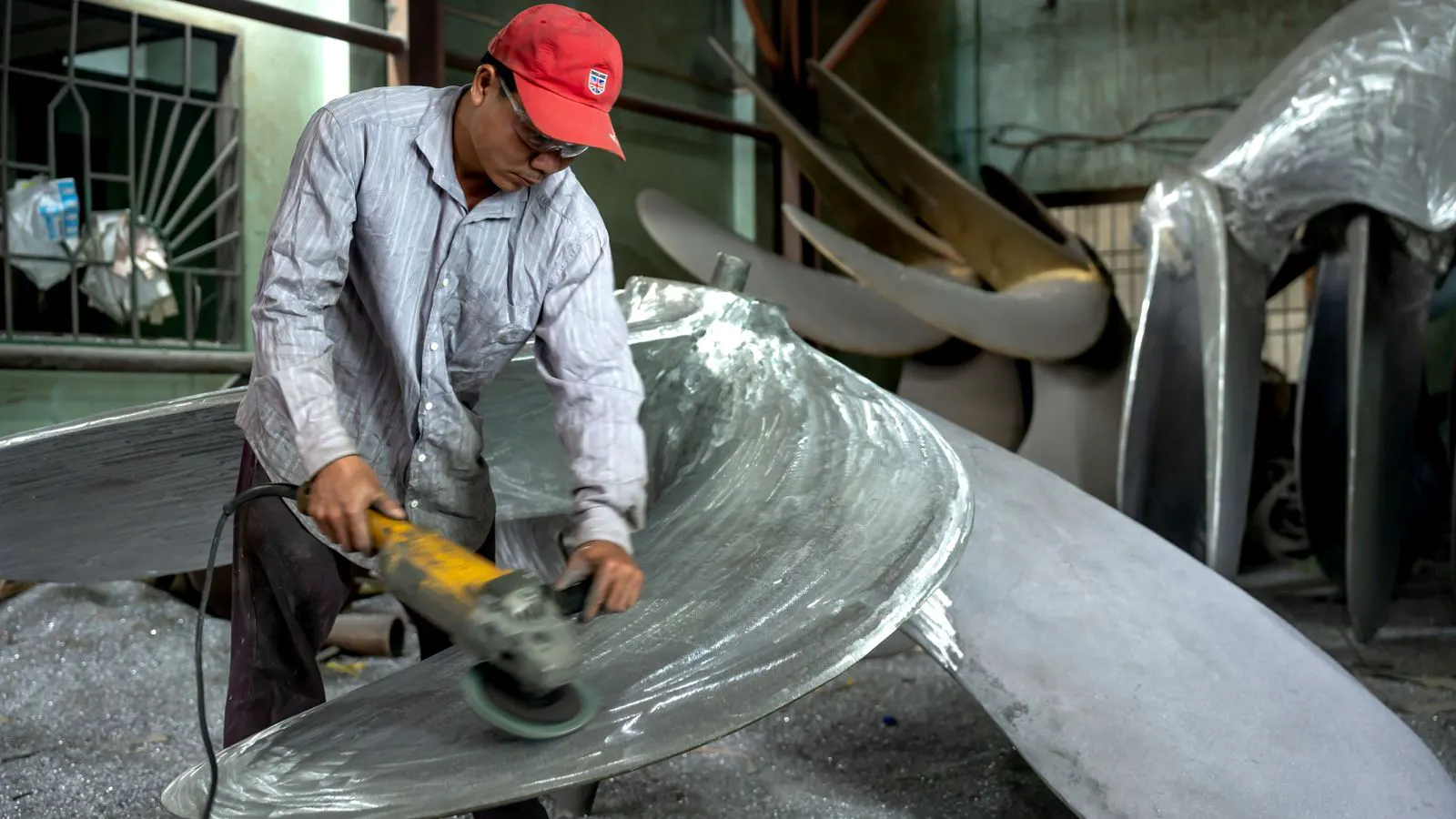
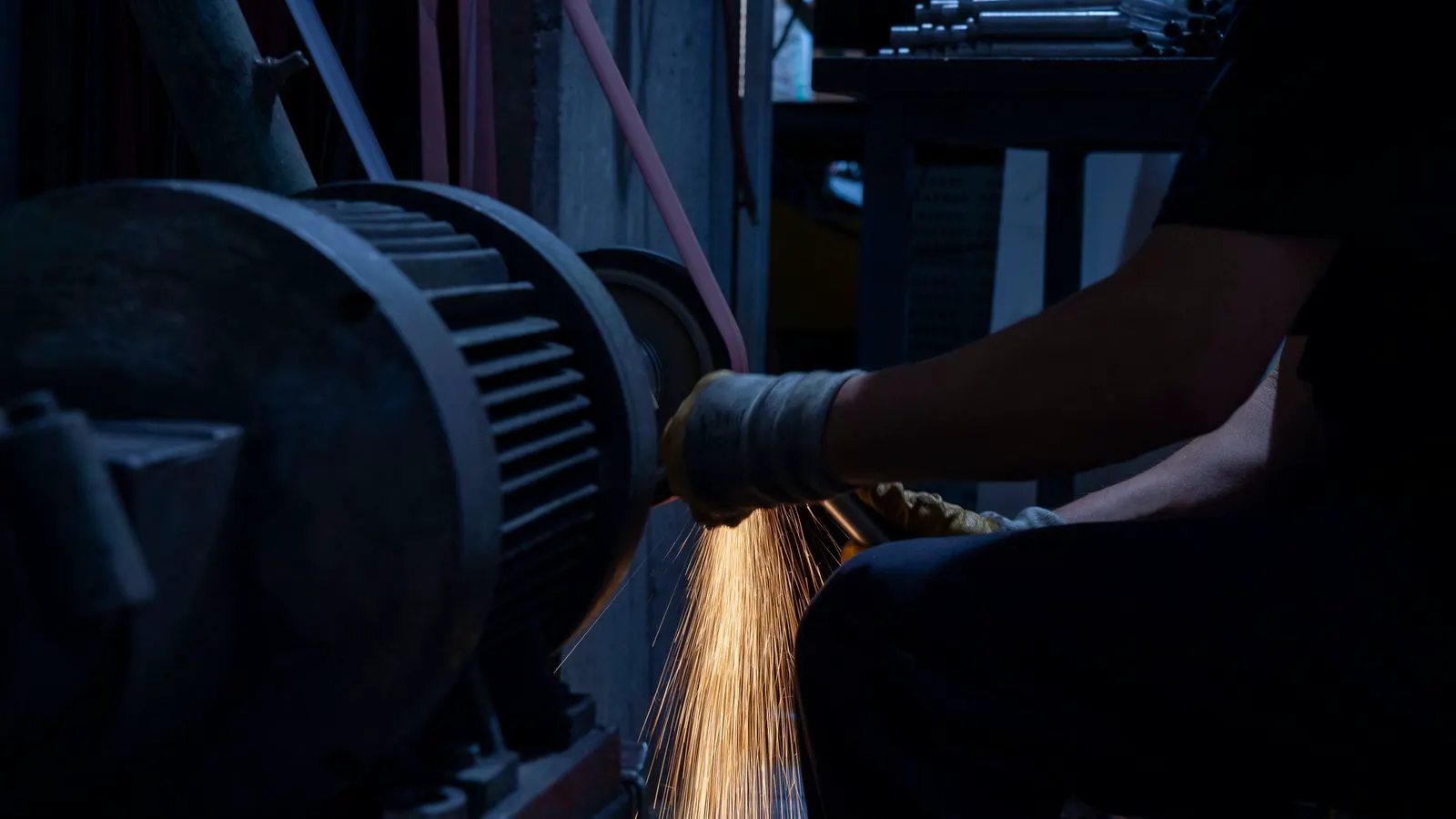
Surface finishing operations address defects. Grinding removes flash, nicks, or surface roughness. Deburring cleans sharp edges that form during solidification. These operations improve the part’s ability to mate with other components. They also prepare the surface for coatings, which can fail if applied over rough or contaminated areas.
The table below lists common post casting operations and the issues they solve.
| Operation | Typical Application | Problem Solved |
|---|---|---|
| Turning | Cylindrical bores, shafts, and faces | Diameter and length variation |
| Milling | Flat surfaces, pockets, and slots | Thickness and position variation |
| Drilling | Holes for fasteners or pins | Hole location and diameter accuracy |
| Tapping | Threaded holes | Thread fit and strength |
| Grinding | Mating surfaces and flat faces | Surface roughness and true position |
| Deburring | Sharp edges and flash | Handling safety and fit |
How machining tolerances affect the drawing
Tolerances define the acceptable range of variation for each dimension. A dimension without a tolerance implies a general fit. A dimension with a specific tolerance requires the part to fall within a defined window. The casting process can hold general fits, but it cannot always hold tight tolerances.
When specifying a part, engineers must identify which features require secondary machining. A typical drawing will show the as-cast shape and mark the machined features. The machined features will have tighter tolerances than the surrounding cast geometry. The buyer must ensure the supplier understands which surfaces are critical to function.
Machining tolerances affect cost and lead time. A part with five machined features costs more to produce than a part with one. The more features that require precision, the more likely the part is to fail inspection. The supplier must have the right equipment and the right process control to hold those tolerances. If the drawing specifies a tight tolerance on a feature that is not machined, the part will likely fail.
How these requirements affect sourcing decisions
When sourcing die cast parts, buyers must evaluate the supplier’s capability for secondary machining. The casting process and the machining process are often handled by the same supplier, but they require different skill sets. A supplier that excels at die casting may outsource machining to a secondary vendor. That adds coordination complexity and potential delays.
The buyer should ask which operations the supplier performs in-house. In-house machining reduces the handoff points and allows the supplier to control the entire process. It also makes quality issues easier to trace. If the supplier outsources machining, the buyer must verify that the subcontractor has the same quality controls and the same understanding of the drawing.
The material also affects sourcing decisions. Some alloys are easier to machine than others. Certain alloys work harden during cutting, which increases tool wear and production time. The buyer should confirm that the supplier has experience machining the specific alloy for the specific part. A supplier that can cast the alloy may not be able to machine it within the required tolerance.
A worked example: a gear housing
Consider a gear housing for a small pump. The housing is made from a zinc alloy. The casting produces the overall shape, the mounting flange, and the bore for the gear shaft. The gear shaft must fit into the bore with a specific clearance. If the bore is too large, the shaft will wobble and the pump will vibrate. If the bore is too small, the shaft will not rotate freely.
The casting process cannot hold the bore diameter to the tight clearance required. The bore will vary from part to part. The supplier must machine the bore after casting. The turning operation removes the excess material and holds the diameter to the specified tolerance. The surface finish must also be controlled. A rough bore will wear unevenly and reduce the service life of the pump.
The mounting flange also requires machining. The flange has four holes for bolts. The casting produces the holes at approximately the right location. But the position of each hole relative to the others may vary. Drilling and reaming the holes ensures that the bolts fit into the mating cover without forcing. The cover and the housing must align for the assembly to seal properly.
Without secondary machining, this gear housing would not perform reliably. The parts would fit, but the fit would be inconsistent. Some units would run well. Others would fail. The buyer would see this as a quality issue in the field, but the root cause is the lack of machining on the critical features.
How to specify machined die cast parts
The drawing is the contract between the buyer and the supplier. It must clearly show which features are machined and what tolerances apply. The as-cast geometry should be shown with a note indicating that non-critical surfaces are as-cast. The machined features should have specific tolerances and surface finish requirements.
The buyer should avoid over-specifying tolerances that do not affect function. A tight tolerance on a non-critical surface increases the cost without improving performance. It also increases the chance that the part will fail inspection. The buyer should work with the engineer to identify the features that control the part’s function. Those features get the tightest tolerances. The other features get general tolerances.
The buyer should also specify the material for the machined features. Some alloys require special cutting tools or lubricants. If the drawing does not specify the alloy, the supplier may choose a material that is easy to cast but difficult to machine. The buyer should confirm the alloy and the machining process before releasing the drawing.
When machining is not required
Not every die cast part needs secondary machining. If the part has no critical mating surfaces, no functional holes, and no strict dimensional requirements, the casting process may be sufficient. The buyer must verify this with the engineering team. A part that looks complex may not require machining if the tolerances are loose.
A part that requires coating may need surface preparation. Deburring and cleaning are part of the post casting operations. These operations are not always considered “machining” in the traditional sense, but they are required to prepare the surface for paint or plating. The buyer should include these operations in the specification. A part that is deburred and cleaned will have a better coating adhesion and a longer service life.
Secondary operations are not a cost to be avoided. They are a function of the part’s design. The buyer must understand which features require machining and which do not. That understanding leads to a part that performs as intended and a supplier that can produce it reliably.
Frequently asked questions
Why can't die casting hold all the dimensions on an engineering drawing?
Die casting introduces variation due to metal shrinkage, cooling rates, and die wear. These factors make it difficult to hold tight tolerances on every feature without secondary machining.
What is the difference between as-cast and machined surfaces on a drawing?
As-cast surfaces are produced by the die and have general tolerances. Machined surfaces are modified after casting and have specific tolerances that must be held to the drawing.
How do I know which features require secondary machining?
Identify the features that control the part's function, such as mating surfaces, shafts, and bolt holes. These features need tight tolerances and require machining.
Can a supplier cast and machine the same part?
Yes, many suppliers perform both operations. In-house machining reduces handoff points and allows the supplier to control the entire process from casting to final inspection.
Does secondary machining increase the cost of a die cast part?
Yes, it increases the cost and lead time. The buyer should specify only the machining that is required for function to control costs without sacrificing performance.