Comparison: Zinc vs Magnesium Die Casting for Plating
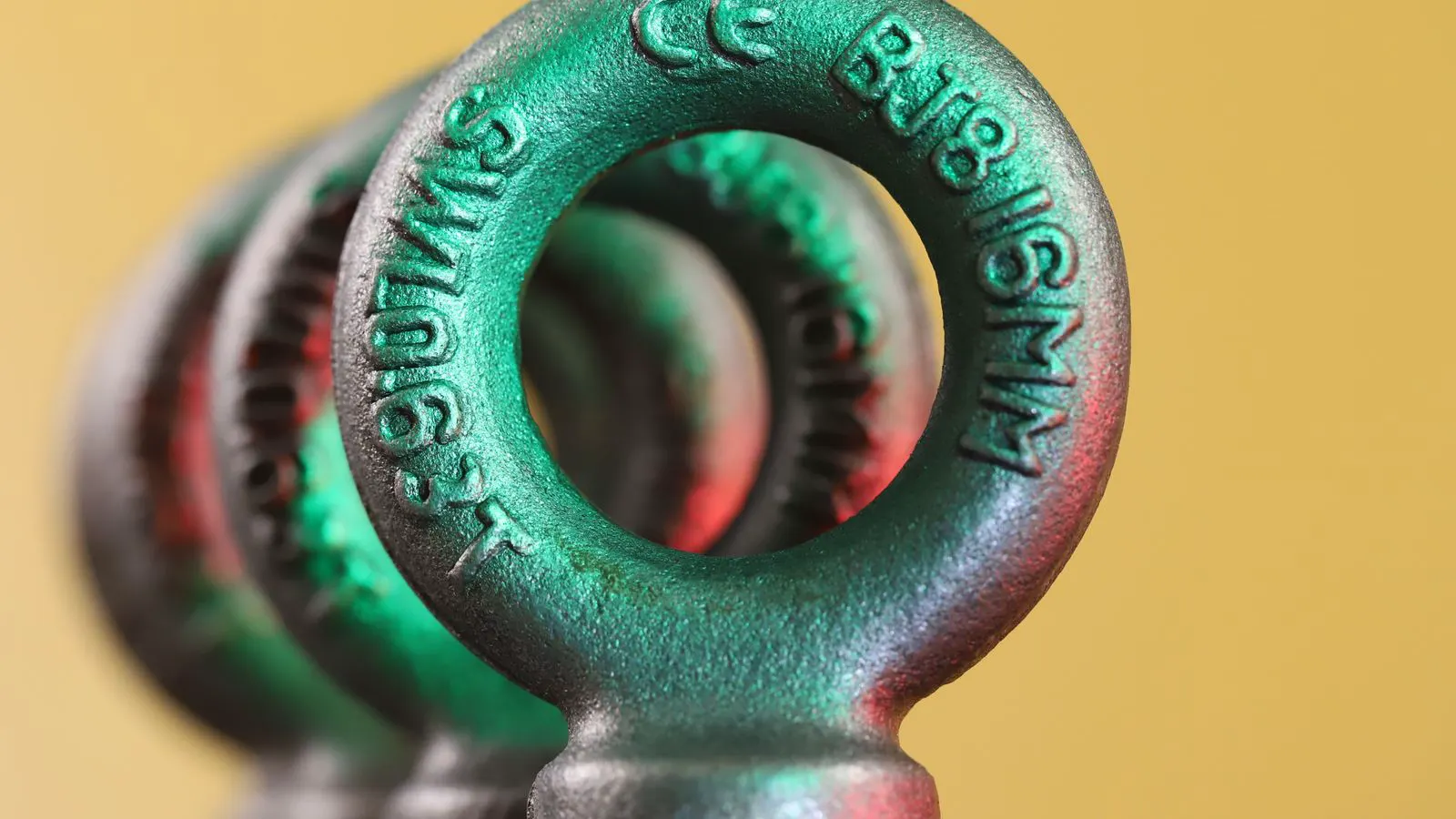
Zinc die castings generally offer a smoother, more stable surface for plating than magnesium. Magnesium parts require more surface preparation but yield lighter parts. The right choice depends on finish tolerance, weight goals, and plating chemistry.
- Zinc die castings usually accept electroless nickel, chrome, and other coatings with less surface prep than magnesium.
- Magnesium parts are lighter but more reactive, so they need careful cleaning and anodizing or conversion coating before plating.
- Plating adhesion depends on alloy grade, part geometry, and surface finish, not just the base metal.
- Cost and lead time vary by finish. Zinc often has a shorter plating cycle for simple finishes.
- Always verify alloy certification and plating test results before committing to a production run.
Which base metal gives a better plating surface?
Zinc die castings are the default choice when plating quality is the top priority. The surface of a zinc part, especially when machined or polished, tends to be more uniform and less reactive than magnesium. That stability matters because plating is a surface process. Any porosity, oxide layer, or chemical variation in the substrate shows up in the final finish.
Magnesium die castings are lighter and often cheaper for high-volume parts, but the substrate behaves differently. Magnesium forms a reactive oxide layer that can interfere with adhesion. The metal is also more prone to corrosion if the plating is thin or if the part is exposed to moisture. Engineers who switch from zinc to magnesium for a plated part usually need a new surface preparation step. That step might be a chemical etch, a conversion coating, or an anodizing pass.
The difference is not just theoretical. A zinc housing with a matte plating finish often reaches a consistent look after a single plating cycle. A magnesium housing with the same finish may need a primer or a different plating bath. The added step increases cost and cycle time, but it is manageable when the design allows for it.
How does alloy grade affect plating results?
Zinc has several common die casting grades, and each responds to plating differently. Higher lead content in some zinc grades improves machinability but can affect coating adhesion. The lead can migrate to the surface during casting, creating a softer layer that plating must bond through. If the part will be plated, the buyer should specify a lower lead grade or request a surface clean before coating.
Magnesium also has multiple grades, and the difference matters. Some grades are designed for structural use and have higher strength but less plating compatibility. Others are softer and more reactive. The alloy affects how the surface etches and how well the plating bath wets the part. A magnesium part with a high iron content may resist plating adhesion more than a standard grade.
In practice, the alloy choice should be made with the plating process in mind. If the part will be electroless nickel plated, the buyer should ask the supplier to run a sample through the full process, including cleaning and plating. If the part will be chrome plated, the surface finish of the casting itself becomes a larger factor. A rougher zinc casting may need polishing before plating. A smooth magnesium casting may still need a chemical prep because of the oxide layer.
What are the typical plating processes for each metal?
Zinc die castings accept a wider range of plating processes without modification. Electroless nickel, black oxide, chrome, and tin are common. Zinc also takes well to a zinc-nickel alloy plating, which is often used in automotive and appliance applications. The process is straightforward because the zinc surface is relatively stable. Cleaning with a mild alkaline solution is usually enough to remove casting oils and loose oxide.
Magnesium die castings require more care. The metal is active and can react with many plating chemistries. A common approach is to apply a conversion coating or an anodizing pass before plating. This creates a barrier layer that improves adhesion and reduces corrosion. The anodizing step adds time and cost, but it is necessary for most magnesium parts that will be plated.
Some magnesium parts receive a thin zinc or nickel undercoat before the final finish. This helps seal the metal and provides a more uniform surface for the top coat. The undercoat is not optional if the part will be exposed to humidity or corrosive environments. Buyers should ask the plating supplier to specify the undercoat type and thickness, because a thin undercoat may not be enough for long-term protection.
How do cost and lead time compare?
Zinc plating is generally faster and less expensive than magnesium plating for the same finish. The surface prep is simpler, and the plating cycle is shorter. For a high-volume part, that difference adds up. A zinc part that goes from cleaning to plating in one shift may take magnesium parts two shifts. The extra time is not just about the plating bath. It is about the cleaning, the conversion coating, and the inspection steps that come with a reactive substrate.
Cost also depends on the finish. A matte black zinc finish is a common, low-cost option. A bright chrome finish costs more and requires a longer process. For magnesium, the base cost of the casting is often lower because magnesium is lighter and less dense than zinc. But the plating cost can erase that savings if the finish is complex. A magnesium part with a multi-layer plating system may cost more to finish than a zinc part with a simple plating.
Lead time is another factor. Zinc die casting is a mature process with many suppliers. Magnesium die casting is also widely available, but the plating step can be a bottleneck. Some plating facilities are not set up for magnesium, or they require special handling for the reactive metal. If a buyer needs a short lead time, zinc is often the safer choice. If the buyer needs weight reduction and can accept a longer process, magnesium is viable.
What are the common failures in plating?
The most common plating failure on zinc parts is poor adhesion at the part edges or in recessed areas. Zinc can have a thin oxide layer that does not bond well if it is not removed. A part that looks clean to the naked eye may still have a surface contamination that causes the plating to peel. This is why a proper cleaning step, often involving an alkaline wash, is standard.
Magnesium parts fail in different ways. The oxide layer can be thick and uneven, leading to poor wetting of the plating bath. If the conversion coating is not applied evenly, the plating can show streaks or a patchy finish. Corrosion is another issue. Magnesium is more reactive than zinc, and if the plating is thin or scratched, the metal underneath can corrode quickly. That corrosion can expand and lift the plating.
Both metals can have porosity issues that affect plating. Zinc porosity is usually small and does not show in the plating unless it is very severe. Magnesium porosity is more likely to be a problem because the metal is lighter and the casting process is more sensitive to gas entrapment. Porous areas can trap plating solution and create weak spots. The buyer should request a sample with a section view to check for porosity before approving the production run.
When should a buyer choose zinc over magnesium for plating?
Choose zinc when the part needs a high-quality, consistent plating finish with minimal surface prep. Zinc is the right choice for appliance housings, automotive trim, and decorative parts where the finish is part of the product. It is also the right choice when the part will be plated with a thick, durable finish like chrome or nickel. The process is well understood, and the results are predictable.
Zinc is also the better choice when the part has complex geometry. Recessed areas, thin walls, and internal features are harder to plate on magnesium because the reactive oxide layer is harder to control in tight spaces. Zinc plates more evenly in those areas. If the part has many small features, zinc reduces the risk of plating defects.
Choose zinc when the buyer needs a shorter lead time. The plating process is faster, and there are more suppliers who can handle it. For a first-time buyer or a low-volume part, zinc is the lower-risk option. It is also easier to source and certify, which simplifies the supply chain.
When should a buyer choose magnesium over magnesium for plating?
Choose magnesium when weight is the primary design goal. Magnesium is about 50 percent lighter than zinc, which can be a major advantage in automotive and aerospace applications. If the part is used in a vehicle or a portable device, the weight savings can offset the higher plating cost. The final part will be lighter, which can improve performance and fuel efficiency.
Choose magnesium when the part will be used in a low-stress, low-corrosion environment. If the part is inside an enclosure and not exposed to moisture or chemicals, the plating requirements are less demanding. A simple zinc or nickel undercoat may be enough. The buyer should still require a conversion coating to protect the magnesium, but the final finish can be simpler.
Choose magnesium when the design allows for additional surface prep. If the part has flat, accessible surfaces, the conversion coating and anodizing steps are easier to apply. If the part has deep cavities or thin walls, the plating process becomes more difficult and expensive. The buyer should work with the supplier early to identify which features can be plated and which need a different finish.
How to verify plating performance before production
The first step is to request a sample part that has been through the full plating process. This sample should be the same alloy grade, the same casting finish, and the same plating thickness as the production part. The sample should be tested for adhesion, salt spray, and appearance. The buyer should specify the test standards and the acceptance criteria.
The second step is to inspect the part for surface defects. Look for porosity, oxide scale, and plating thickness. A micrometer or a coating thickness gauge can verify the plating. A salt spray test, usually 24 to 48 hours, can reveal early corrosion. If the sample fails, the buyer should work with the supplier to identify the cause. It could be a cleaning issue, a plating bath issue, or a design issue.
The third step is to review the supplier documentation. The supplier should provide the alloy certification, the plating process sheet, and the test results. For magnesium, the supplier should specify the conversion coating type and thickness. For zinc, the supplier should specify the cleaning method and the plating bath composition. This documentation is essential for quality control and for future audits.
The fourth step is to plan for ongoing quality control. The buyer should set up a receiving inspection that checks the plating finish and thickness. A simple visual check for appearance and a spot check for thickness can catch most issues. If the part is for a high-risk application, a regular salt spray test or a cross-section check is a good investment. The goal is to catch problems early, before they become a field failure.
The final step is to keep the supplier informed of any changes. If the alloy grade changes, the plating process may need to change. If the part design changes, the surface finish may change. A small change in the casting can have a big impact on the plating. The buyer should communicate changes quickly and require a new sample if the change affects the surface.
Frequently asked questions
Can magnesium die castings be plated the same way as zinc?
Not always. Magnesium is more reactive, so it usually requires a conversion coating or anodizing before plating. Zinc often only needs a cleaning step. The plating bath and thickness may also differ.
Which metal is better for a high-end decorative finish?
Zinc is generally better for high-end decorative finishes. It plates more evenly and consistently, and the surface is more stable. Magnesium can achieve a good finish, but it requires more careful surface prep.
How much lighter is magnesium compared to zinc?
Magnesium is about 50 percent lighter than zinc by weight. This can be a significant advantage in applications where weight is a concern, such as automotive or portable electronics.
What is the most common plating for magnesium parts?
A zinc or nickel undercoat is common, followed by a top coat like chrome or nickel. The undercoat seals the reactive magnesium and provides a better surface for the final finish.
How long does plating take for each metal?
Zinc plating is faster because the surface prep is simpler. Magnesium plating takes longer because of the additional cleaning, conversion coating, and anodizing steps. The exact time depends on the finish and the supplier.


