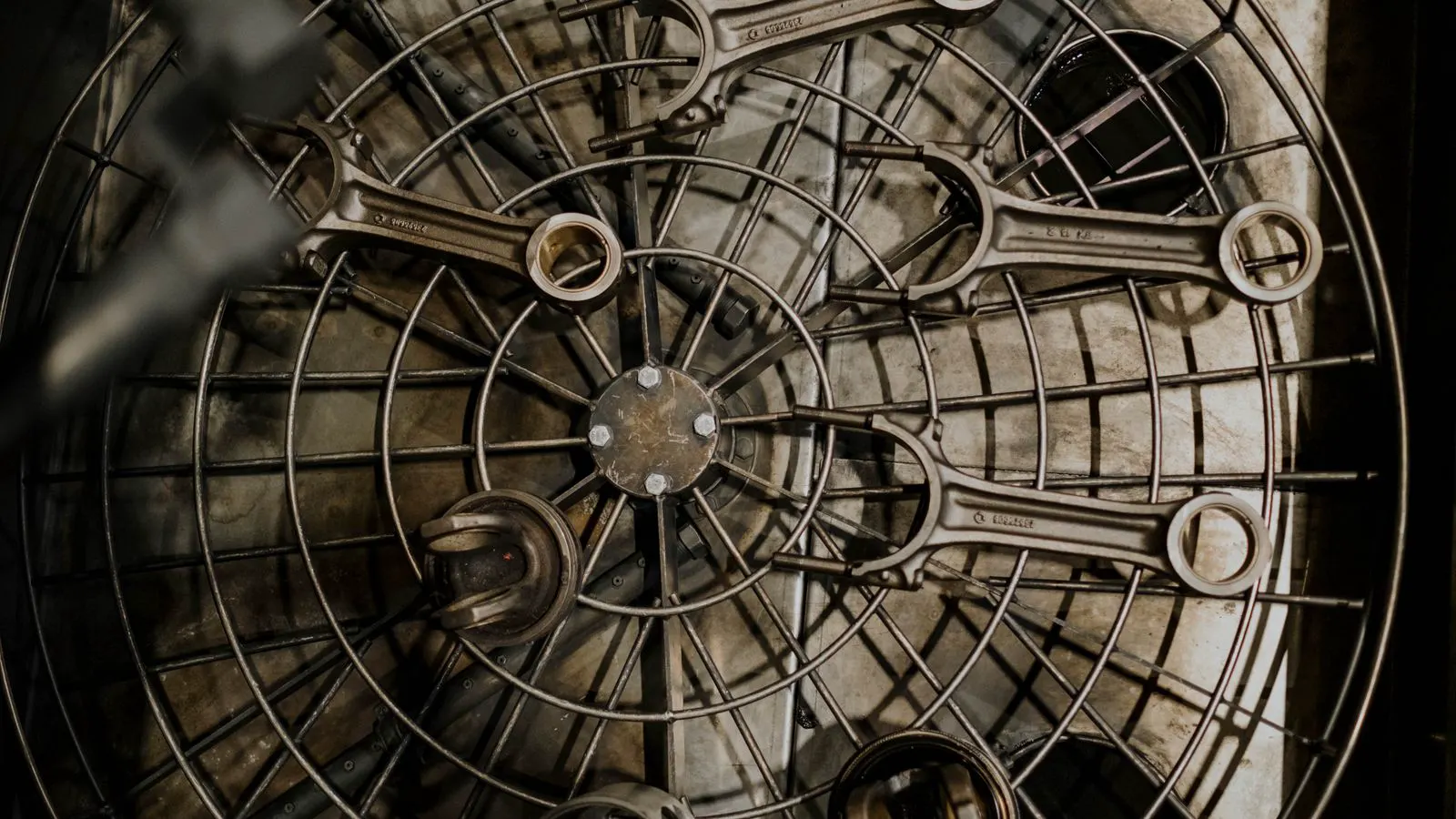
Outlook: AI Predictive Maintenance for Die Casting Lines
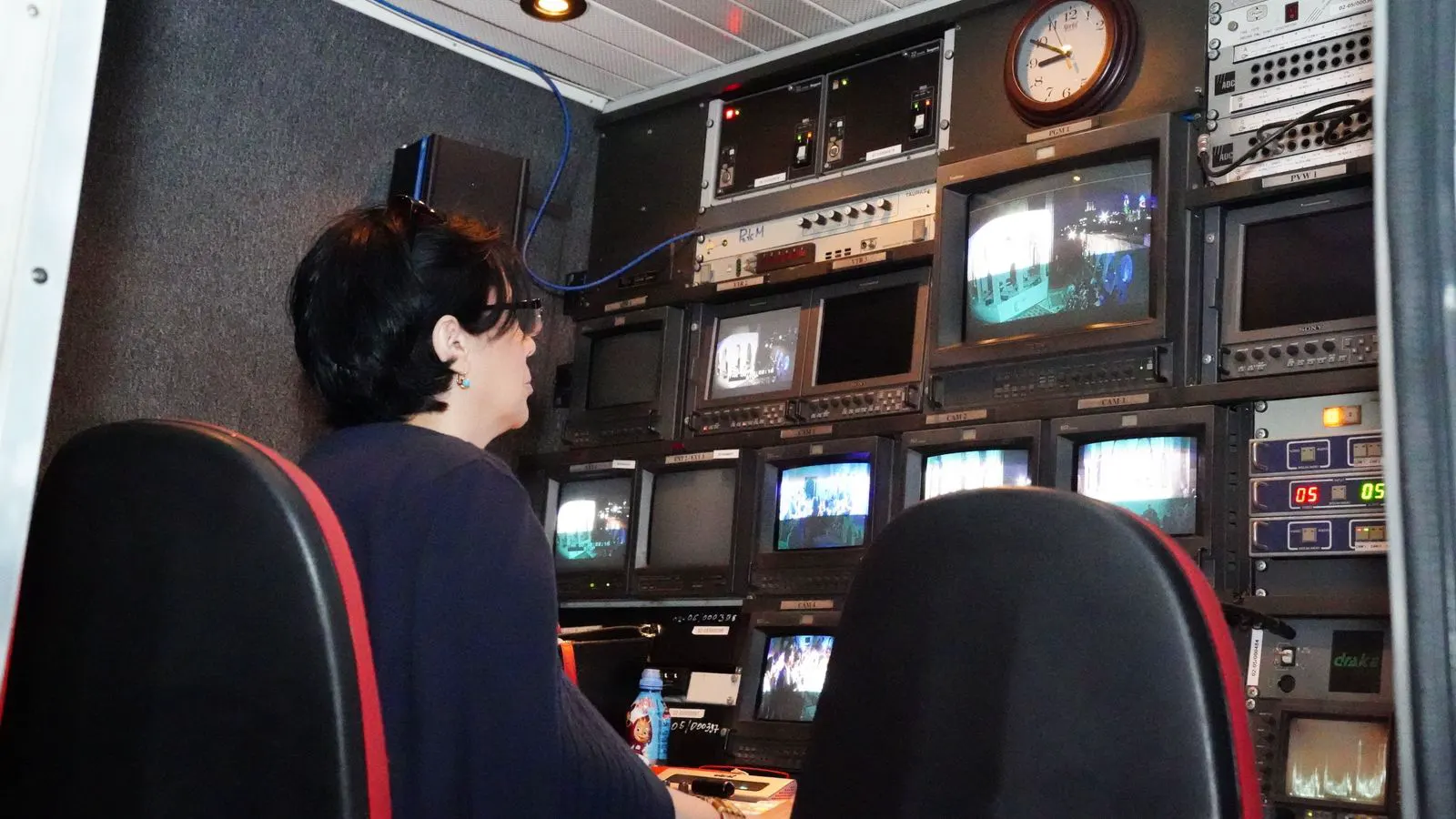
AI die casting maintenance shifts focus from scheduled fixes to condition-based action. Engineers must plan for sensor integration, data cleaning, and new roles. These changes improve uptime and reduce quality escapes.
- Predictive maintenance replaces calendar based repairs with condition based interventions.
- Engineers must prepare for new sensor data streams and validation protocols.
- AI die casting maintenance requires clear ownership of maintenance decisions.
- Early adoption starts with isolating one critical process and defining clear success metrics.
- Quality outcomes improve when maintenance data connects directly to part inspection results.
What changes when maintenance moves from calendar to condition
The standard die casting line runs on a fixed schedule. Technicians inspect the die, check the hydraulic pressure, and replace seals at regular intervals. This method works when the production schedule is predictable and the equipment condition is stable. It fails when a critical variable shifts between inspections.
AI die casting maintenance changes that logic. Instead of waiting for the next scheduled window, the system monitors the actual state of the equipment. Sensors track temperature, pressure, vibration, and flow in real time. The software analyzes these signals against known failure patterns. When a deviation occurs, the system flags a specific risk before the part quality drops.
This shift affects two areas of the plant. The first is the maintenance crew. They no longer work only from a work order list. They investigate alerts and confirm root causes. The second area is the production team. They see equipment health status in the same dashboard they use for cycle times and scrap rates.
The result is a tighter connection between machine health and part quality. A small change in mold temperature can predict cold shuts. A drift in hydraulic pressure can point to internal leaks. When these signals are caught early, the line stops before the batch fails.
Which machines are ready for AI die casting maintenance first
Not every machine on the floor benefits from the same level of digital monitoring. The pressure die casting machines with high cycle counts are the best starting point. These machines handle high tonnage and run long shifts. The risk of die fatigue and hydraulic failure is high. The cost of an unplanned stop is significant.
The investment casting machines offer a different profile. They run slower cycles but use complex cores and gates. The failure modes here are often subtle. A small change in the gas pressure can cause incomplete fill. AI models can detect these slow drifts that a human operator would miss during a normal shift.
The machines that are hardest to instrument are the older hydraulic systems. They lack the native sensor ports needed for direct data collection. Retrofitting these units requires adding external sensors. The data quality may be lower. The signal to noise ratio can be poor.
A practical approach is to start with the machines that have the highest downtime cost. Identify the bottlenecks. Check the history of past failures. If a specific machine has caused more than half of the line’s unplanned stops in the last year, it is the primary target.
How data quality affects the value of AI die casting maintenance
The model is only as good as the data it receives. In a die casting plant, the environment is harsh. Metal dust, coolant mist, and heat create a difficult operating condition for sensors. A vibration sensor mounted near the hydraulic pump may pick up noise from the compressor. A temperature sensor on the die may lag behind the actual metal temperature.
Data cleaning is a major task. The maintenance team must filter out false positives. They must correlate sensor spikes with actual events. Did the pressure drop because of a fault, or because the operator adjusted the setpoint? The system needs context. Without it, the alerts become noise.
Engineers should build a baseline before deploying AI. Record the normal operating range for each parameter. Define the thresholds that trigger a warning. This baseline serves as the reference point for the model. It also helps the team trust the system when it flags an anomaly.
The quality of the data depends on the placement of the sensors. A sensor placed in a shielded enclosure will give a different reading than one placed in open air. The team must calibrate the sensors against the known state of the die. If the sensor reads 200 degrees but the die is at 220 degrees, the model will learn the wrong pattern.
The new role of the maintenance engineer
The role of the maintenance engineer changes when AI die casting maintenance becomes standard. The engineer is no longer just a repair technician. They become a data analyst and a process owner. They must understand the electrical signals. They must know how the hydraulic system behaves under load. They must interpret the model’s output.
This requires a new skill set. The engineer needs to understand basic machine learning concepts. They need to know how to review the feature importance of a model. They need to identify which variables drive the prediction. This knowledge helps them trust the system.
The maintenance team also becomes more proactive. Instead of waiting for a breakdown, they plan interventions during planned downtime. They replace a seal before it fails. They adjust the hydraulic fluid before the pressure drops. This reduces the wear and tear on the equipment.
The production engineer’s role also shifts. They must align the production schedule with the equipment health status. If the model predicts a high risk of failure, the production plan should adjust. They may run a lower volume shift or switch to a different product. This flexibility improves the overall output of the plant.
How to prepare for AI die casting maintenance in three steps
The first step is to define the problem. Do not start with the technology. Start with the pain point. Is the die cracking? Is the hydraulic pressure unstable? Is the cycle time drifting? Write down the specific failure mode. This focus keeps the project practical.
The second step is to instrument the machine. Install the sensors needed to measure the variables linked to that failure. Do not over-instrument. Start with the critical parameters. The more data you collect, the harder it is to manage. Keep the setup simple and robust.
The third step is to pilot the system. Run the AI die casting maintenance model in parallel with the existing procedures. Do not change the maintenance schedule yet. Compare the alerts from the model with the actual maintenance actions. Record the true positives and false positives. This period builds confidence in the system.
Once the pilot is successful, expand the scope. Add more machines. Integrate the data with the enterprise resource planning system. This allows the maintenance team to order parts automatically when a risk is detected. The system becomes a tool for daily operations rather than a standalone project.
What to expect from the next five years
The next five years will see AI die casting maintenance become standard in high volume plants. The technology will become cheaper and easier to install. The models will become more accurate as they learn from more data. The integration with other plant systems will improve.
The focus will shift from individual machines to the entire line. The system will look at the interaction between the mixer, the die, and the conveyor. It will identify bottlenecks across the whole process. This holistic view will improve the overall efficiency of the plant.
Engineers will need to adapt. The role of the maintenance team will become more analytical. The production team will need to be more responsive to system alerts. The plant will become a data driven operation. The goal is to keep the equipment running and the parts good.
Frequently asked questions
What is the main benefit of AI die casting maintenance?
It shifts maintenance from scheduled intervals to condition based actions. This reduces unplanned downtime and helps maintain part quality.
How do I start with predictive maintenance on an existing line?
Identify the machine with the highest downtime cost. Instrument the critical sensors and run a pilot to validate the alerts against actual failures.
Do I need to replace my old machines to use AI die casting maintenance?
No. You can retrofit older machines with external sensors. The data quality may be lower, but the system can still provide useful insights.
What is the biggest risk of implementing this technology?
Poor data quality can lead to false alerts. If the data is noisy, the team will lose trust in the system. Clean the data and validate the baseline.
How does this affect part quality?
It helps catch equipment issues before they affect the part. By fixing the root cause early, the line produces more consistent parts with fewer defects.