What is PPAP? A Procurement Guide
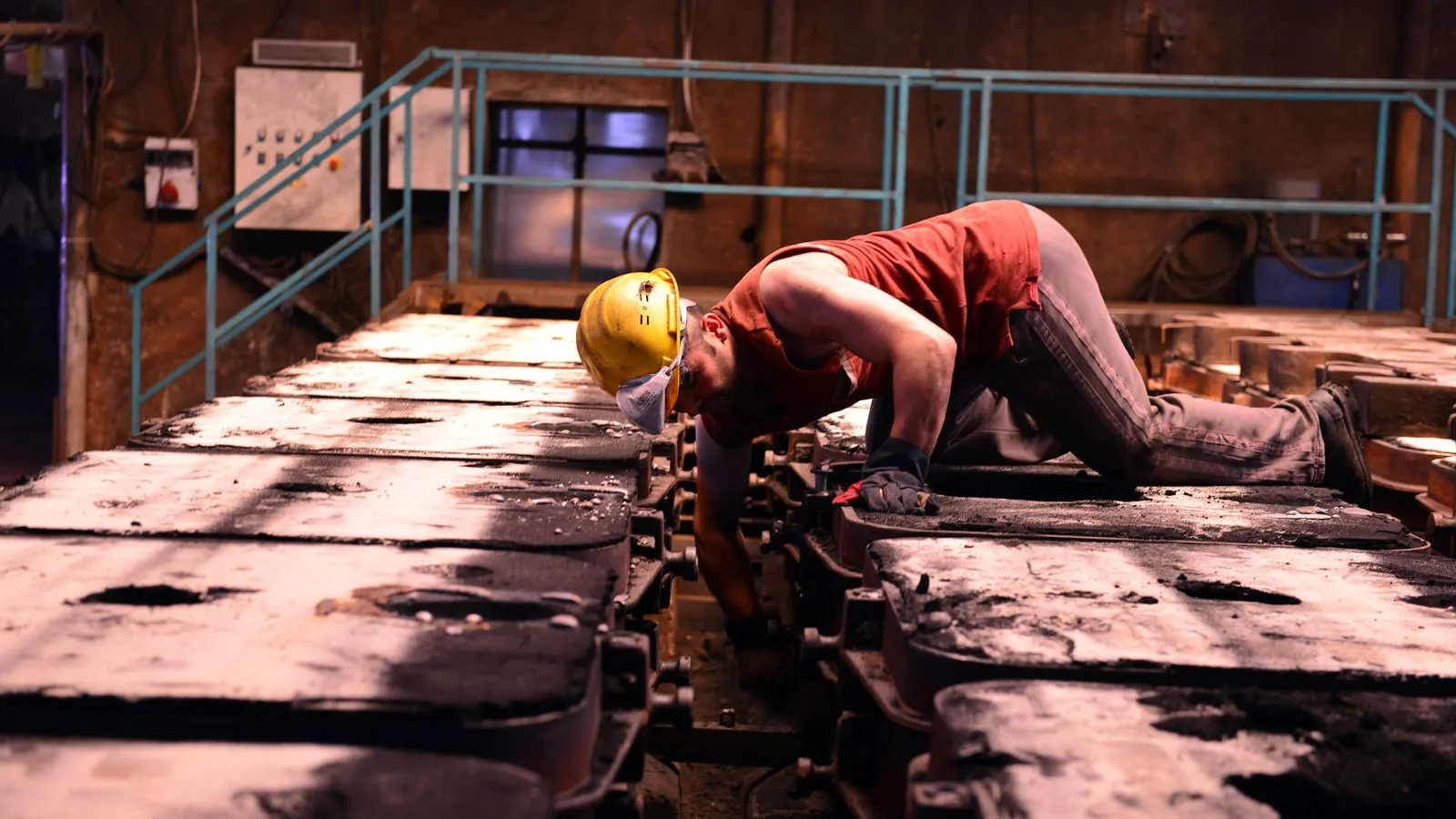
PPAP is a structured process for validating product and process performance. It helps buyers ensure die casting suppliers meet quality standards before full production, reducing risk and improving supplier quality through clear documentation.
- PPAP verifies that a supplier can consistently produce parts meeting specifications.
- It requires documented evidence, including samples, control plans, and capability studies.
- The process protects buyers by reducing defects and ensuring supplier quality.
- It supports die casting approval through standardized audit and review stages.
- Clear PPAP requirements improve transparency and reduce production risk.
What is PPAP in die casting?
PPAP stands for Process for Product and Process Approval. It is a formal review process used by manufacturers and suppliers to ensure that a product can be manufactured consistently and meets all customer requirements. In die casting, PPAP is a critical part of the supplier quality system. It helps buyers confirm that a supplier can produce high-quality parts before full-scale production begins.
PPAP is not a single document but a package of evidence. This evidence shows that the supplier has understood the design, processes, and quality requirements. It also demonstrates that the current process can produce parts that meet specifications. For die casting buyers, understanding PPAP is essential for managing supplier quality and reducing production risks.
How does PPAP affect sourcing decisions?
PPAP directly influences how buyers evaluate and select die casting suppliers. When a supplier can demonstrate a strong PPAP process, it signals that they have a mature quality management system. This often leads to faster onboarding, lower defect rates, and more reliable production.
For sourcing decisions, PPAP acts as a filter. Suppliers that can provide complete and accurate PPAP documentation are more likely to meet quality expectations. This reduces the need for extensive on-site inspections and helps buyers allocate resources more efficiently.
PPAP also clarifies roles and responsibilities between the buyer and the supplier. It defines the level of approval required at each production stage. This clarity helps avoid misunderstandings and ensures that both parties are aligned on quality expectations.
What does the PPAP process include?
The PPAP process typically involves several stages of submission and review. Each stage requires specific documentation and evidence. The final submission, often referred to as the PPAP package, includes key documents such as a control plan, process flow diagram, dimensional reports, and material certifications.
The control plan is a critical part of PPAP. It outlines how the supplier will monitor and control critical and special characteristics of the product. In die casting, this may include parameters such as melt temperature, shot pressure, and cooling time. The control plan shows how the supplier will maintain process stability and product quality.
Another key document is the process flow diagram. This diagram shows the sequence of operations involved in producing the part. It helps the buyer understand the manufacturing steps and identify potential risk areas. The dimensional reports provide measured data to confirm that the parts meet the specified dimensions.
How does PPAP support die casting approval?
PPAP plays a central role in die casting approval. It provides the evidence needed to approve a supplier for production. By reviewing the PPAP package, buyers can verify that the supplier has a repeatable process and that the parts meet all requirements.
In die casting, PPAP approval often involves evaluating the supplier’s ability to manage critical characteristics. These characteristics may include surface finish, dimensional accuracy, and material properties. The supplier must demonstrate that these characteristics are controlled and within specification.
PPAP also supports the audit process. During audits, reviewers examine the PPAP documentation to assess the supplier’s quality system. They may also review production records and verify that the supplier is following the approved process. This ensures that the supplier maintains the quality level demonstrated during PPAP.
What is the role of audits in PPAP?
Audits are an important part of the PPAP process. They help buyers and suppliers verify that the quality system is functioning as intended. Audits can be internal or external, and they may focus on specific areas such as process control, documentation, or supplier quality.
In the context of die casting, audits often review the PPAP package and production records. They check that the supplier is following the control plan and that the parts are consistently meeting specifications. Audits also evaluate the supplier’s ability to handle non-conforming product and implement corrective actions.
A successful audit can lead to higher levels of PPAP approval. It can also help identify areas for improvement and reduce the risk of future issues. For buyers, audits provide confidence that the supplier can maintain quality over time.
How does PPAP improve supplier quality?
PPAP improves supplier quality by establishing clear standards and expectations. It requires suppliers to document their processes and demonstrate their ability to meet specifications. This documentation provides a baseline for future reviews and audits.
In die casting, PPAP helps suppliers identify and control potential sources of variation. By focusing on critical characteristics, suppliers can implement controls that reduce defects and improve consistency. This leads to higher quality parts and fewer production issues.
PPAP also encourages continuous improvement. Suppliers are expected to monitor their processes and make adjustments as needed. This proactive approach helps maintain quality and adapt to changes in design or production requirements.
What is a worked example of PPAP in die casting?
Consider a scenario where a buyer requires a new aluminum die casting part for an automotive application. The part has critical dimensions and surface finish requirements. The supplier must submit a PPAP package to demonstrate that they can produce the part consistently.
The supplier provides a control plan that outlines the key process parameters and how they will be monitored. The package includes dimensional reports showing that the parts meet the specified dimensions. It also includes material certifications confirming that the aluminum alloy used meets the required specifications.
The buyer reviews the PPAP package and verifies that all requirements are met. They may also conduct an audit to confirm that the supplier is following the approved process. If the package is complete and the audit is successful, the buyer can approve the supplier for production.
How does PPAP relate to other quality standards?
PPAP is often used alongside other quality standards and practices. It aligns with the principles of ISO 9001 and other quality management systems. PPAP provides a structured approach to validating product and process performance, which complements broader quality management efforts.
In the automotive industry, PPAP is a well-established practice. It is often referenced in supplier quality agreements and customer-specific requirements. For die casting suppliers, understanding PPAP helps them meet the expectations of their customers and maintain a competitive edge.
PPAP also supports communication between buyers and suppliers. By defining the approval process and required documentation, it reduces ambiguity and helps both parties focus on quality. This clarity is particularly important in complex manufacturing environments like die casting.
What are the common challenges with PPAP?
One of the common challenges with PPAP is ensuring that the documentation is complete and accurate. Suppliers must provide detailed evidence that supports their claims about process capability and product quality. Inadequate documentation can lead to delays and rework.
Another challenge is maintaining consistency over time. PPAP approval is not a one-time event. Suppliers must continue to follow the approved process and monitor their quality. Any changes in the process or product may require additional PPAP submissions.
Finally, PPAP can be resource-intensive. It requires time and expertise to prepare and review the package. For smaller suppliers, this can be a significant burden. However, investing in a strong PPAP process can lead to long-term benefits, including improved supplier quality and stronger customer relationships.
How can buyers use PPAP to reduce risk?
Buyers can use PPAP to reduce risk by establishing clear approval criteria before production. By requiring a complete PPAP package, buyers can identify potential issues early and reduce the likelihood of defects. This proactive approach helps ensure that the parts meet specifications and that the supplier can maintain quality.
PPAP also provides a basis for ongoing monitoring. Buyers can use the PPAP documentation as a reference during audits and quality reviews. This helps ensure that the supplier continues to meet the agreed-upon quality standards.
By leveraging PPAP, buyers can build more reliable supplier relationships. Suppliers that understand and follow PPAP are more likely to deliver high-quality parts and respond effectively to issues. This leads to greater confidence in the supply chain and reduced production risk.
Frequently asked questions
What does PPAP stand for?
PPAP stands for Process for Product and Process Approval. It is a structured process used to validate product and process performance.
How does PPAP apply to die casting?
PPAP applies to die casting by requiring suppliers to demonstrate that they can produce parts consistently and meet specifications. It includes documentation such as control plans and dimensional reports.
What documents are included in a PPAP package?
A PPAP package typically includes a control plan, process flow diagram, dimensional reports, material certifications, and other supporting documents.
How does PPAP improve supplier quality?
PPAP improves supplier quality by establishing clear standards and requiring documented evidence of process capability. It helps suppliers control critical characteristics and maintain consistency.
What is the relationship between PPAP and audits?
Audits are part of the PPAP process. They verify that the supplier is following the approved process and that the documentation is accurate. Successful audits support higher levels of PPAP approval.


