Die Casting Market Trends for 2026
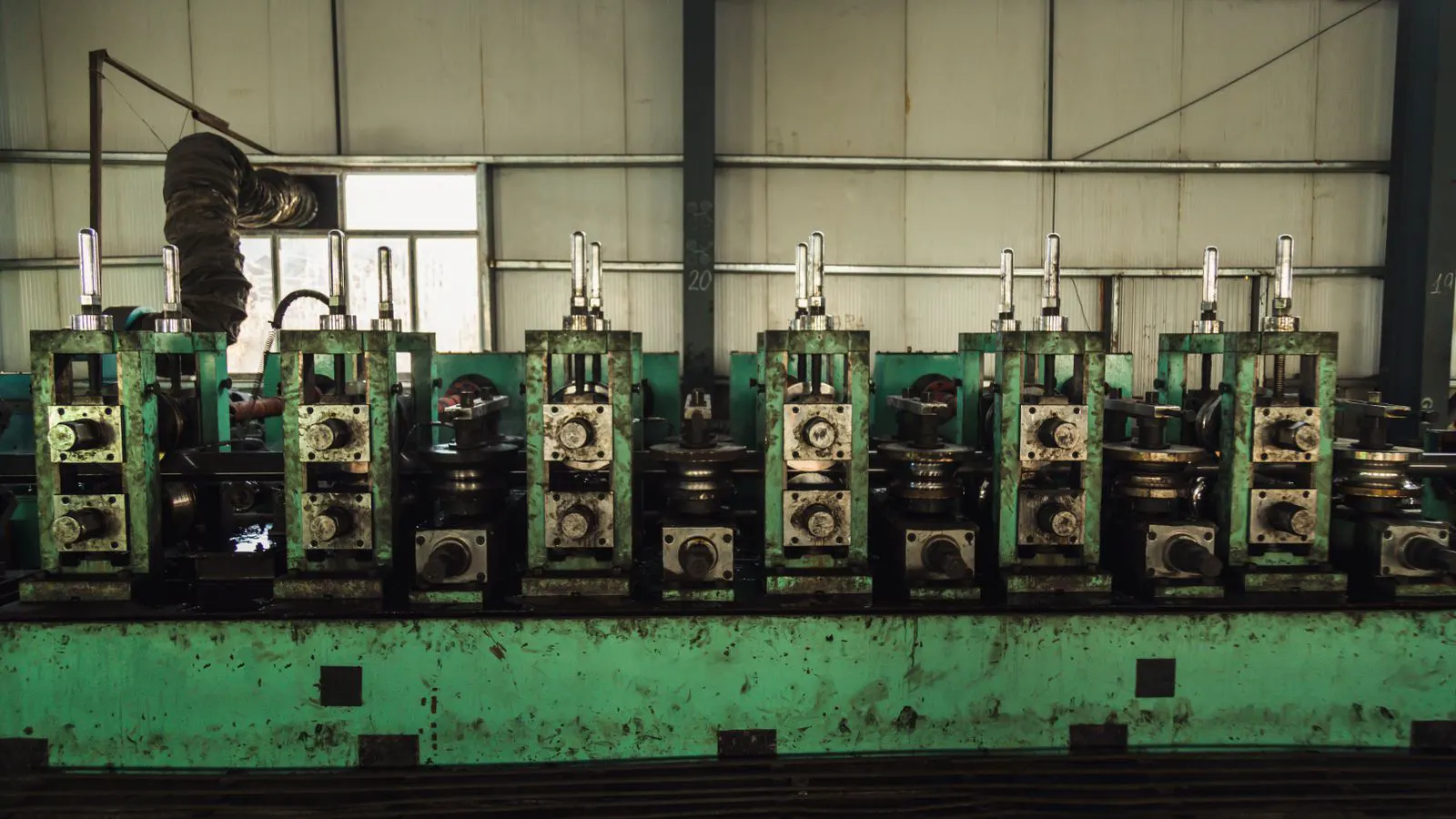
The die casting industry is shifting toward greater supply chain resilience, automation, and sustainability. Buyers should prioritize partners with diversified sourcing, digital capabilities, and transparent compliance to secure reliable metal casting quality in 2026.
- Prioritize suppliers with diversified raw material sourcing to mitigate volatility
- Expect greater integration of automation and digital monitoring in production
- Sustainability requirements are becoming standard in procurement contracts
- Nearshoring is gaining traction to reduce logistics complexity
- Compliance documentation is moving earlier in the project lifecycle
The die casting sector continues to evolve rapidly, with buyers facing a landscape defined by shifting supply dynamics and rising expectations for quality and compliance. Understanding these developments is essential for securing reliable partnerships and maintaining production continuity. This guide outlines the key shifts affecting sourcing strategies and provides practical steps for preparation.
How Supply Chain Resilience Is Changing Sourcing
The global metal casting market is responding to years of disruption by emphasizing resilience over pure cost optimization. Buyers are increasingly seeking die casting partners who can demonstrate diversified sourcing for critical alloys such as aluminum, magnesium, and zinc. This shift reflects a broader industry move toward reducing single-point failures in the supply chain.
For sourcing teams, this means evaluating suppliers not just on unit price, but on their ability to maintain continuity during material shortages or logistics delays. A supplier with multiple qualified mills and regional distribution centers offers greater stability than one dependent on a single source. When negotiating contracts, consider including provisions for material price adjustments and alternative sourcing options.
How Automation and Digital Monitoring Are Raising Quality Expectations
Automation in die casting is no longer a premium feature but a baseline expectation for high-volume production. Modern facilities use robotic handling, in-process monitoring, and data-driven quality systems to reduce variability and improve traceability. Buyers are seeing increased demand for real-time quality data and detailed process records.
This digital transformation affects procurement in several ways. Suppliers that invest in process monitoring can provide more granular quality data, which simplifies compliance and reduces inspection costs. When evaluating die casting partners, ask about their use of statistical process control, automated testing, and digital documentation systems. These capabilities indicate a supplier’s maturity and their ability to meet stringent quality requirements.
How Sustainability Requirements Are Becoming Standard
Environmental, social, and governance considerations are moving from optional to mandatory in many procurement contracts. For the metal casting market, this translates into increased focus on energy efficiency, material recycling, and transparent reporting. Buyers are increasingly required to demonstrate the sustainability profile of their suppliers to their own customers.
To prepare, request sustainability documentation from potential partners. This may include energy usage data, recycling rates, and certifications related to environmental management. While full certification may not always be required, the ability to provide credible data on environmental impact is becoming a standard part of supplier qualification. Incorporating these criteria into your evaluation process ensures alignment with evolving customer expectations.
How Nearshoring Is Gaining Traction
Logistics complexity and lead time variability have driven many buyers to reconsider their geographic sourcing strategies. Nearshoring, or sourcing from regions closer to end markets, is becoming more common in the die casting industry. This shift reduces transportation costs, shortens lead times, and improves communication with suppliers.
When evaluating nearshoring options, assess the manufacturing capability of the target region. While some regions may have less mature casting infrastructure, others offer strong technical talent and growing industry presence. Consider factors such as trade agreements, cultural alignment, and the availability of qualified metallurgical engineers. Nearshoring requires careful due diligence but can offer significant benefits in terms of responsiveness and risk mitigation.
How Compliance Documentation Is Moving Earlier in Projects
The expectation for compliance documentation is shifting earlier in the project lifecycle. Buyers are no longer waiting for production to begin before requesting certificates of conformance, material test reports, or process capability data. This change reflects a desire to reduce risk and ensure quality from the outset.
For sourcing teams, this means integrating compliance requirements into the initial supplier evaluation. When developing a request for quotation, specify the documentation needed for material approval and process validation. Suppliers who can provide this data early demonstrate a mature quality culture and reduce the risk of delays during production ramp-up.
How Talent and Technical Capability Are Becoming Differentiators
The die casting industry faces ongoing challenges in attracting and retaining skilled metallurgical engineers and process specialists. This talent scarcity is becoming a differentiator between suppliers. Partners with strong technical teams are better positioned to solve complex casting issues, optimize processes, and drive continuous improvement.
When evaluating potential die casting partners, assess the depth of their engineering and quality teams. Ask about their training programs, technical resources, and ability to support design for manufacturability. A supplier with strong technical capability can reduce rework, improve part quality, and provide valuable input during the design phase.
How to Prepare Your Sourcing Strategy for These Shifts
Preparing for these market trends requires a proactive approach to supplier selection and relationship management. The following actions can help your organization stay ahead of emerging challenges:
- Audit your current suppliers for supply chain resilience, digital capabilities, and sustainability practices
- Update your supplier qualification process to include newer criteria such as automation maturity and environmental data
- Develop contingency plans for material sourcing and logistics disruptions
- Invest in closer collaboration with key suppliers to share market intelligence and co-develop solutions
- Review contract terms to include provisions for price volatility, quality data, and compliance documentation
Summary Table: Key Trends and Preparation Actions
| Trend | Buyer Impact | Preparation Action |
|---|---|---|
| Supply chain resilience | Need for diversified sourcing | Evaluate supplier material sources and backup options |
| Automation and digital monitoring | Higher quality data expectations | Request process monitoring capabilities during qualification |
| Sustainability requirements | Increased compliance burden | Include environmental data in supplier evaluation |
| Nearshoring | Shorter lead times, better communication | Assess regional manufacturing capability and trade factors |
| Compliance documentation | Earlier documentation requirements | Specify compliance needs in initial RFPs |
| Talent scarcity | Technical support quality varies | Evaluate supplier engineering team depth and resources |
Final Considerations
The die casting industry in 2026 is defined by a balance between cost efficiency, quality assurance, and supply chain stability. Buyers who prioritize suppliers with strong technical capabilities, resilient supply chains, and transparent compliance practices will be better positioned to navigate market volatility. By understanding these trends and incorporating them into your sourcing strategy, you can secure reliable partnerships that support long-term production success.
The metal casting market continues to evolve, and staying informed about these developments is essential for maintaining competitive advantage. Regularly reviewing supplier capabilities and market conditions will help your organization adapt to new opportunities and mitigate risks effectively.
Frequently asked questions
What are the most important die casting trends for 2026?
The key trends include supply chain resilience, greater automation and digital monitoring, increased sustainability requirements, nearshoring, and earlier compliance documentation. These shifts affect sourcing strategies and supplier qualification processes.
How should buyers prepare for supply chain disruptions in die casting?
Buyers should evaluate suppliers for diversified material sourcing, develop contingency plans for logistics disruptions, and include backup sourcing options in contracts. Regular audits of supplier supply chains can help identify vulnerabilities early.
What role does automation play in die casting sourcing decisions?
Automation is increasingly important as it improves quality consistency, reduces variability, and enables real-time data collection. Buyers should assess suppliers' automation capabilities during qualification to ensure they can meet quality and traceability requirements.
How are sustainability requirements affecting die casting procurement?
Sustainability is becoming a standard requirement in procurement contracts. Buyers should request environmental data, recycling information, and energy usage metrics from suppliers to ensure compliance with customer and regulatory expectations.
Is nearshoring a viable strategy for die casting sourcing?
Nearshoring can be viable for organizations seeking shorter lead times and better supplier collaboration. However, it requires careful evaluation of regional manufacturing capability, trade agreements, and technical resources to ensure quality and cost competitiveness.


