Zinc vs Magnesium Die Casting: Key Property Differences
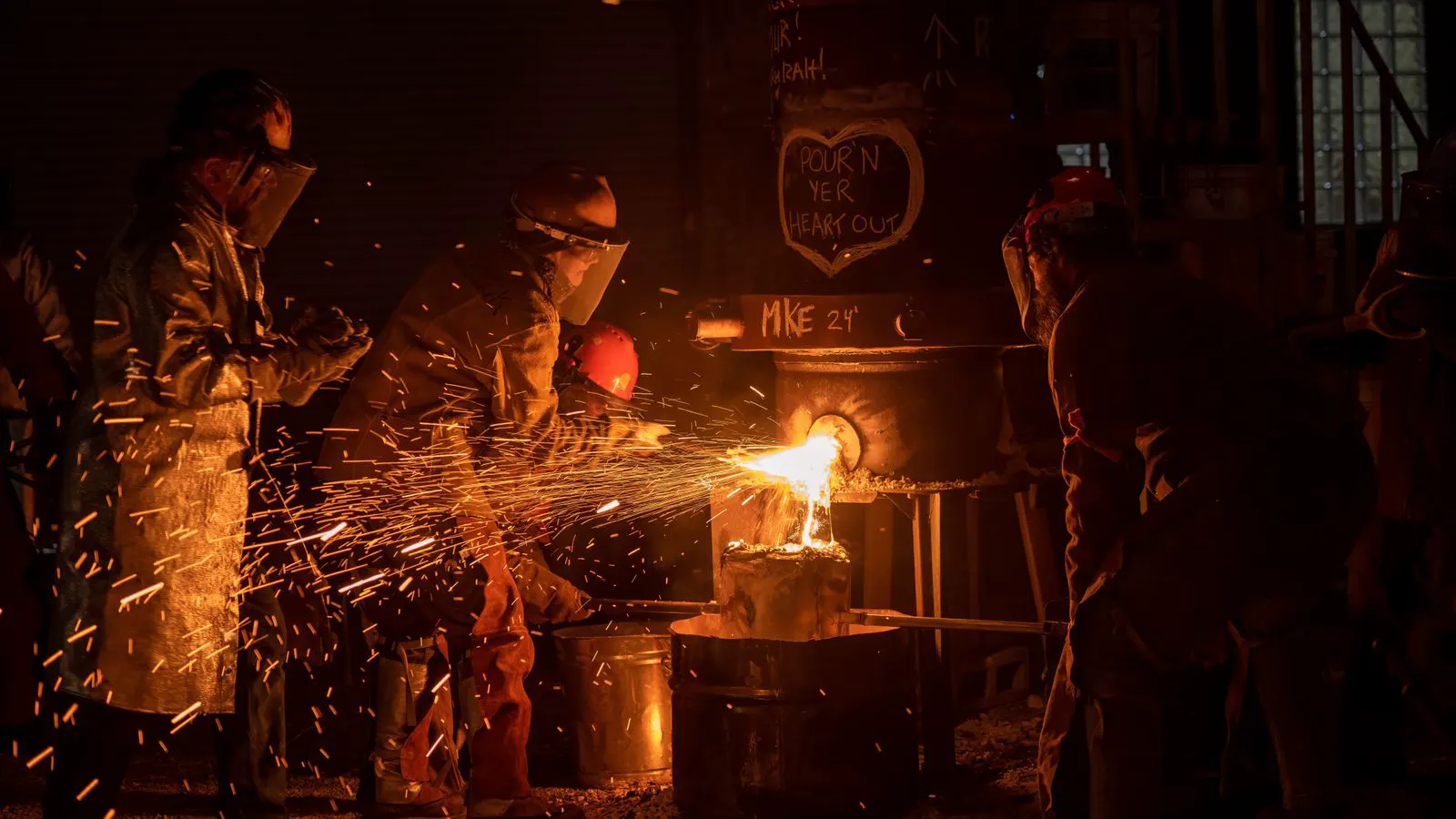
Zinc die casting is heavier and more corrosion-resistant, while magnesium die casting offers superior weight savings and stiffness. Selection depends on structural requirements, service environment, and budget.
- Magnesium alloys are roughly 30% lighter than zinc alloys, making them ideal for weight-sensitive applications.
- Zinc alloys offer better natural corrosion resistance and are generally easier to finish and paint.
- Magnesium alloys provide higher stiffness-to-weight ratios but require specific surface treatments to prevent corrosion.
- Cost considerations should account for material price, finishing requirements, and potential weight savings over the product's lifecycle.
Selecting between zinc and magnesium for die-cast parts requires a clear understanding of how their fundamental alloy properties affect performance. This comparison focuses on the physical and mechanical characteristics that drive engineering decisions.
How Do Weight and Density Affect Part Selection?
Density is often the first metric engineers evaluate when choosing between these two metals. Magnesium alloys have a significantly lower density than zinc alloys. A typical magnesium die-cast alloy weighs approximately 1.7 to 1.8 g/cm³, while standard zinc alloys weigh around 6.5 g/cm³.
This difference means that for a part of identical dimensions and wall thickness, the magnesium component will be roughly one-third the weight of the zinc equivalent. In applications where mass reduction is critical, such as automotive underbody components or consumer electronics enclosures, this weight reduction can be a decisive factor. It directly impacts fuel efficiency, handling, and the load on supporting structures in machinery.
What Are the Strength and Stiffness Characteristics?
While magnesium is much lighter, it is not necessarily weaker in every context. The specific stiffness (modulus of elasticity) of magnesium is comparable to or slightly higher than that of zinc. This means that for the same amount of deflection, a magnesium part may require less material, or it may be stiffer than a similar zinc part.
However, yield strength and ultimate strength vary by specific alloy and heat treatment. Many common magnesium alloys are designed for high stiffness and adequate yield strength for structural applications. Zinc alloys, particularly those with higher zinc content, offer a different balance. They are often used for decorative or functional parts where extreme structural strength is less critical than dimensional stability and surface finish quality. Engineers must match the required yield strength and deflection limits to the specific alloy grade available.
How Do Corrosion Resistance Properties Differ?
Corrosion resistance is a major differentiator between these two material families. Zinc is naturally more resistant to atmospheric corrosion than magnesium. Zinc die-cast parts often withstand exposure to humid air and mild contaminants better out of the box. This makes zinc a preferred choice for parts that will be exposed to the elements without heavy protective coatings.
Magnesium, on the other hand, is more reactive and susceptible to corrosion, particularly in the presence of moisture or certain salts. While it can be made highly resistant with proper surface treatment, it requires more attention in the design and manufacturing process. Anodizing, chromating, or painting are common practices to protect magnesium parts. For applications in harsh environments like marine or chemical processing, both materials may require specialized coatings, but magnesium generally demands a more rigorous protection strategy.
How Do the Materials Compare in a Table?
The table below summarizes the key property differences to aid in quick comparison.
| Option | Best for | Limitations |
|---|---|---|
| Zinc Die Casting | Parts needing good corrosion resistance, fine surface finish, and moderate weight where density is less critical. | Heavier; potentially higher material cost per unit weight; less stiff-to-weight ratio than magnesium. |
| Magnesium Die Casting | Weight-critical applications, high stiffness-to-weight ratio needs, and thermal conductivity benefits. | More prone to corrosion without treatment; requires careful surface finishing; can be more reactive during manufacturing. |
When Should You Choose Zinc Die Casting?
Zinc die casting is the preferred choice when the part’s service environment is moderately corrosive and natural resistance is valued. It is often selected for electrical connectors, appliance components, and decorative architectural elements where the surface finish must be crisp and detailed. The material also offers excellent casting quality, allowing for very fine details and smooth surfaces, which can reduce the need for extensive post-machining or finishing. Furthermore, zinc is generally easier to handle in many finishing processes, such as painting and plating, due to its more stable surface.
When Should You Choose Magnesium Die Casting?
Magnesium die casting is the ideal selection when weight reduction is the primary engineering goal. It is widely used in automotive applications, such as transmission housings, door panels, and structural brackets, where every gram counts for fuel efficiency. It is also favored in consumer electronics, such as laptop and tablet enclosures, to provide a rigid structure while keeping the device light. If the application benefits from high thermal conductivity, magnesium can also be a strong contender, as it dissipates heat more effectively than zinc.
What Role Do Alloy Properties Play in Final Selection?
The specific alloy chosen matters as much as the base metal. Zinc die-cast alloys often contain copper, aluminum, or magnesium to modify properties like strength and fluidity. Magnesium alloys are frequently alloyed with aluminum, manganese, or iron to enhance strength and corrosion resistance. When comparing materials, engineers should look beyond the base metal and evaluate the specific alloy grade’s tensile strength, elongation, and corrosion behavior. This detailed material comparison ensures that the selected alloy meets the mechanical and environmental demands of the part.
Final Considerations for Material Comparison
Ultimately, the decision between zinc and magnesium involves balancing alloy properties with cost, manufacturability, and end-of-life considerations. While magnesium offers superior weight savings, the added cost of corrosion-resistant finishing must be weighed against the benefits. Zinc provides a robust, corrosion-resistant option with excellent finish quality, but its higher weight may be a disadvantage in some applications. By carefully evaluating these factors, engineers can make an informed choice that optimizes performance, durability, and cost-effectiveness for their specific die-cast component.
Frequently asked questions
Is magnesium die casting always cheaper than zinc?
Not necessarily. While magnesium metal can be less expensive per kilogram, the need for additional surface treatments to prevent corrosion can increase the overall cost.
Can zinc die castings be used in high-temperature applications?
Zinc die castings have a relatively low melting point, which limits their use in high-temperature environments. Magnesium has a higher melting point and better thermal stability.
Which material is better for parts with complex geometries?
Both materials can produce complex shapes, but zinc often achieves finer surface detail out of the mold. Magnesium may require more post-machining if extreme precision is needed.
Do magnesium parts require special storage?
Yes, magnesium parts should be stored in a dry environment to prevent moisture exposure, which can accelerate corrosion. Proper packaging is recommended.
How does recycling impact the choice between zinc and magnesium?
Both materials are fully recyclable. Recycling reduces raw material use and energy consumption, making both options environmentally preferable over non-recyclable materials.


