Zinc vs Magnesium Die Casting: Explaining Key Alloy Properties
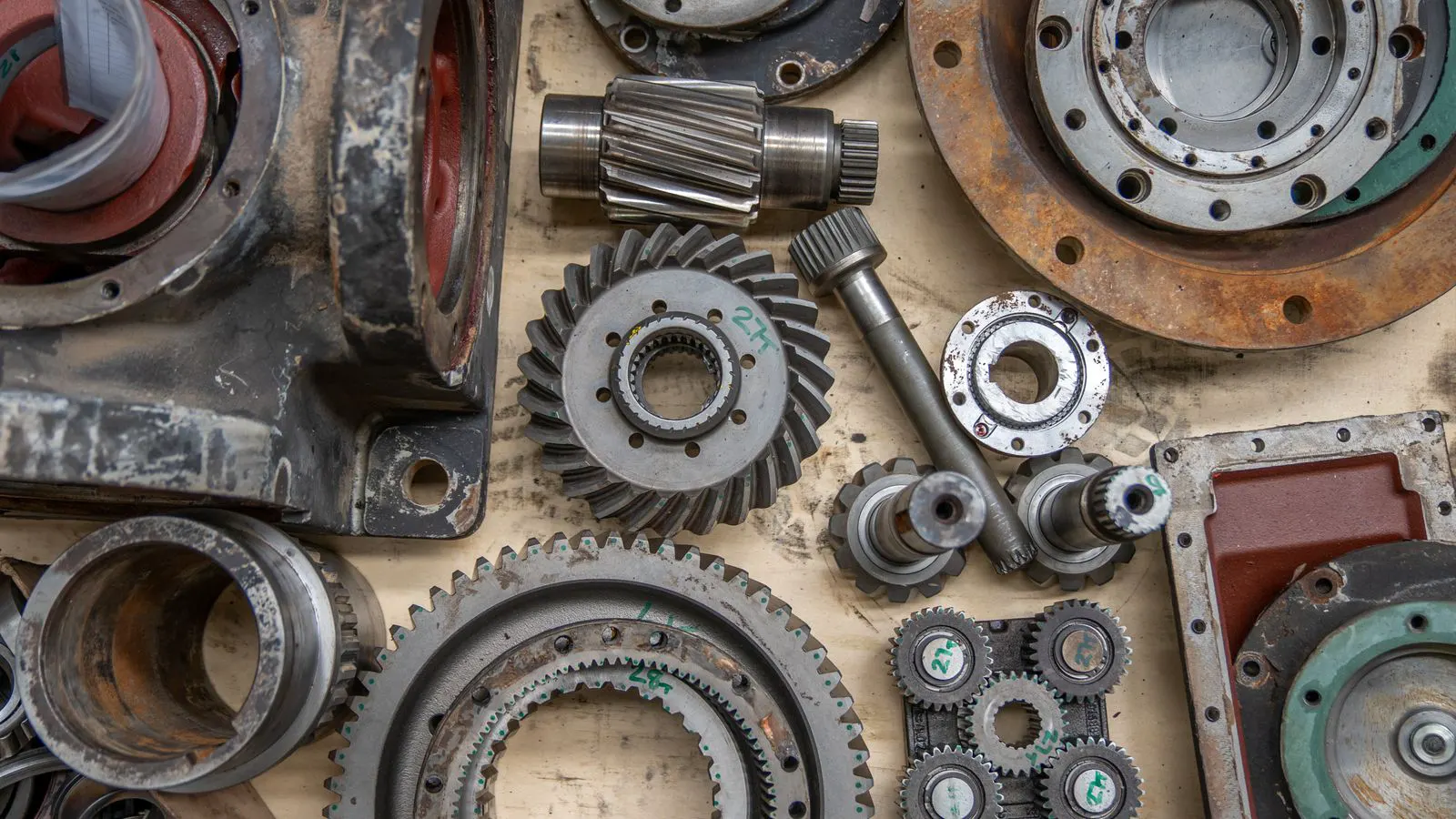
Zinc and magnesium die castings differ in density, strength, corrosion resistance, and thermal behavior. Magnesium is lighter but more reactive, while zinc offers better corrosion resistance. These alloy properties explained help buyers select the right material for each part.
- Magnesium die castings are significantly lighter than zinc, which drives selection for weight-sensitive applications.
- Zinc alloys resist corrosion better and are easier to machine than most magnesium alloys.
- Magnesium requires careful handling due to oxidation and fire risk, while zinc is simpler to store and process.
- Alloy properties explained in this article help buyers match material to part function, cost, and compliance needs.
Why the Material Choice Changes Everything
Selecting a die casting material is not a minor detail. It shapes tooling cost, production cycle, part performance, and long-term maintenance. Zinc and magnesium are the two most common low-melting-point alloy families used in die casting. They both cast well, but they behave differently in ways that matter to engineers and buyers.
This article explains the core property differences. It covers density, strength, corrosion, thermal behavior, and machineability. The goal is to give you a working understanding of zinc and magnesium alloy properties so you can ask better questions during sourcing and design reviews.
Density and Weight: The Most Obvious Difference
Density determines how heavy a part will be. Magnesium alloys have a density roughly one-third of zinc alloys. This is not a small difference. It is the primary reason many engineers specify magnesium when weight reduction is a design goal.
Consider a housing for a medical device. A zinc casting might weigh several times more than a magnesium casting of the same shape. That weight difference can affect user comfort, battery life, or packaging cost. If the application is a handheld tool or an aircraft component, the lighter material may justify the additional handling care that magnesium requires.
Zinc does not offer that weight advantage. However, its higher density can be an advantage in some situations. For example, a counterweight or a part that needs mass without complex geometry may perform better in zinc than in magnesium. Density is one of the first alloy properties explained in any material comparison, and for a reason.
Strength and Stiffness: What Each Alloy Delivers
Strength and stiffness are not the same thing, but they are often discussed together. Stiffness refers to how much a part resists deformation under load. Strength refers to how much load it can carry before failure.
Magnesium alloys generally offer higher specific strength, meaning strength per unit of weight. A magnesium part can be made with thinner walls while still meeting stiffness targets, because the material itself is stiffer relative to its density. This makes magnesium attractive for structural components where weight and stiffness both matter.
Zinc alloys are tougher in a different sense. They are more ductile and less brittle than most magnesium alloys. This means zinc parts are less likely to crack during handling, machining, or impact. For a part that must survive rough handling or assembly stress, zinc may be the safer choice.
The trade-off is not absolute. Magnesium alloys can be strengthened through heat treatment and alloy design. Zinc alloys also come in multiple grades with varying strength levels. The key is to match the required mechanical performance to the material. If a part needs to be light and stiff, magnesium is usually the first candidate. If a part needs to be tough and impact-resistant without being ultra-light, zinc is often more suitable.
Corrosion and Environmental Resistance
Corrosion behavior is where zinc and magnesium diverge sharply. Zinc has excellent resistance to atmospheric corrosion. A zinc die casting left in a typical indoor or mild outdoor environment will not degrade quickly. This makes zinc a strong candidate for parts that sit outdoors, in damp rooms, or in contact with mild moisture.
Magnesium is more reactive. It corrodes faster in humid air and is especially vulnerable when exposed to chlorides, acids, or alkaline environments. A magnesium part without proper protection will develop a surface layer of oxide that can pit the base metal over time. For this reason, magnesium die castings almost always require a protective finish.
The finish options include painting, anodizing, or chemical conversion coatings. These finishes can perform very well, but they add cost and require proper surface preparation. If a part must operate without a coating, or if the coating will be scraped off during service, magnesium becomes difficult to justify. Zinc, by contrast, can often be used as-is or with a simple zinc chromate or phosphate treatment.
This difference also affects long-term maintenance. A magnesium part in a harsh environment may need periodic inspection and recoating. A zinc part may run its service life with minimal attention. For buyers, this changes the total cost of ownership, not just the unit price.
Thermal Behavior and Casting Performance
Both alloys cast well in die casting, but their thermal profiles differ. Magnesium melts at a lower temperature than zinc, which means the die itself operates at a lower temperature. This can extend die life in some cases, but it also means the molten metal is more reactive while it is flowing into the die.
The low melting point of magnesium is a double-edged sword. It allows for fast cycle times and efficient production. But the molten metal oxidizes quickly once it is exposed to air. This is why magnesium die casting lines use inert gas protection, often helium or nitrogen, to limit oxidation during pouring and holding.
Zinc also has a low melting point, but it is higher than magnesium. This gives the metal slightly more time before oxidation becomes a problem. Zinc casting lines are simpler to operate and do not require the same level of inert gas management. The equipment is also generally less specialized.
Thermal behavior also affects how the alloy solidifies. Both alloys solidify with a small shrinkage range, which is why die casting works well. However, magnesium is more sensitive to temperature control during solidification. If the die temperature is too low, the part may freeze unevenly and develop hot tears or incomplete filling. If the temperature is too high, the die can wear faster and the part may develop surface defects.
For buyers, this means magnesium production requires tighter process control. The supplier must manage die temperature, gas flow, and pouring rate with greater precision. Zinc production is more forgiving, which can translate into shorter cycle times on less specialized equipment.
Machineability and Post-Processing
After a die casting leaves the die, it needs finishing. Machining, deburring, and surface preparation are standard steps. This is where material properties have a direct impact on cost and speed.
Zinc alloys are easy to machine. They cut cleanly, hold sharp edges, and do not work harden as quickly as some metals. This makes them favorable for parts that need multiple machined features. A buyer can often take a zinc casting and have it machined at standard shop rates without special tooling or coolant considerations.
Magnesium is also machinable, but it presents some challenges. It is softer than steel but harder to manage in certain ways. The fine powder it generates during machining is a fire and explosion hazard. Shops must use proper dust collection and avoid sparks. Some magnesium alloys are also more difficult to hold rigid during machining because of their lower stiffness relative to weight.
Another factor is surface finish. Zinc often holds a finer, more uniform surface out of the die. Magnesium can develop a slightly rougher surface texture, especially on thin walls. This may require additional grinding or polishing before a coating is applied. The cost difference is usually small, but it adds up over a large production run.
One Worked Example in Plain Words
Imagine a small electronic enclosure. The part must fit inside a handheld device, so weight matters. The enclosure will sit in a pocket of a phone or a handheld scanner. It does not need to be machined in many places. It will be painted black to match the device.
A zinc casting would work mechanically. It would be strong enough to protect the electronics. It would resist corrosion without a coating. But it would be heavier. That extra weight would reduce the device’s comfort and potentially its battery life.
A magnesium casting would be lighter. The same shape would weigh a fraction of what the zinc version would. The magnesium alloy would be stiff enough to keep the enclosure from flexing. The part would need a protective finish, which the device manufacturer can apply during assembly.
The buyer would look at the weight target first. If the weight target cannot be met with zinc, magnesium becomes the likely choice. The buyer would then ask the supplier about finish options, corrosion resistance in the intended environment, and whether the tooling can handle the magnesium alloy at the required production rate.
This example shows how alloy properties explained in general terms become specific sourcing decisions. The material choice is not just about strength. It is about the whole chain of requirements: weight, finish, environment, machining, and tooling.
How These Differences Affect Sourcing Decisions
When you request quotes for zinc and magnesium die castings, the material choice changes the conversation. With zinc, the supplier may ask about surface finish, plating requirements, and whether the part needs to be painted. With magnesium, the supplier will likely ask about corrosion environment, finish specifications, and whether the part will be used in a marine or high-humidity setting.
You should also ask about alloy grades. Both metals have multiple grades. A standard zinc alloy may differ from a higher-strength zinc alloy in terms of cost and performance. Magnesium grades vary in strength, corrosion resistance, and formability. The exact grade can change the part’s performance and the tooling requirements.
Another question to ask is about production volume. Low-volume parts may be easier to produce in zinc because of the simpler process. Higher-volume parts may benefit from the faster cycle times of magnesium, depending on the die design and the facility’s equipment. There is no single answer that fits every case. The alloy properties explained above are the inputs, but the decision depends on your part, your production plan, and your quality requirements.
Final Selection Checklist
Use this short list when evaluating zinc versus magnesium for your part.
- Weight target: Does the part need to be as light as possible, or is weight acceptable?
- Corrosion environment: Will the part be exposed to moisture, salt, or chemicals?
- Finish requirements: Does the part need a coating, or can it be used as cast?
- Machining needs: How many machined features are required, and how tight are the tolerances?
- Production volume: Is the part low volume or high volume?
- Tooling life: How long must the die last?
- Total cost: What is the sum of material, finishing, machining, and maintenance over the part’s life?
This checklist helps you move beyond a simple price comparison. It forces you to consider how the alloy properties explained in this article translate into real performance and cost.
Zinc vs Magnesium: A Quick Comparison
The table below summarizes the main property differences.
| Property | Zinc Alloy | Magnesium Alloy |
|---|---|---|
| Density | Higher | Lower |
| Strength per weight | Moderate | High |
| Corrosion resistance | Good | Moderate, needs protection |
| Machineability | Easy | Moderate, dust hazard |
| Thermal behavior | More forgiving | Requires inert gas |
| Typical use | Enclosures, hardware, tooling | Weight-critical parts, automotive, aerospace |
This table is a starting point. It does not replace a full material selection process, but it gives you a clear framework for discussing the options with your supplier and design team.
Frequently asked questions
Which alloy is lighter, zinc or magnesium?
Magnesium is significantly lighter than zinc. Its density is about one-third of zinc, which makes it the preferred choice when weight reduction is a design goal.
Is zinc more corrosion resistant than magnesium?
Yes. Zinc has good natural resistance to atmospheric corrosion. Magnesium is more reactive and typically requires a protective finish to resist corrosion in humid or harsh environments.
Can magnesium die castings be used outdoors?
Yes, but they need proper protection. A well-applied coating can give magnesium parts good outdoor performance. Without a finish, magnesium will corrode and degrade.
Which material is easier to machine?
Zinc is generally easier to machine. It cuts cleanly and does not create the fire hazard that fine magnesium dust does. Magnesium requires proper dust control during machining.
How do alloy properties affect sourcing cost?
They affect tooling, finishing, production speed, and maintenance. Magnesium may cost more due to inert gas handling and finishing. Zinc may cost less for simple parts but may not meet weight targets.


