Outlook: High-Speed Zinc Die Casting for High-Volume Parts
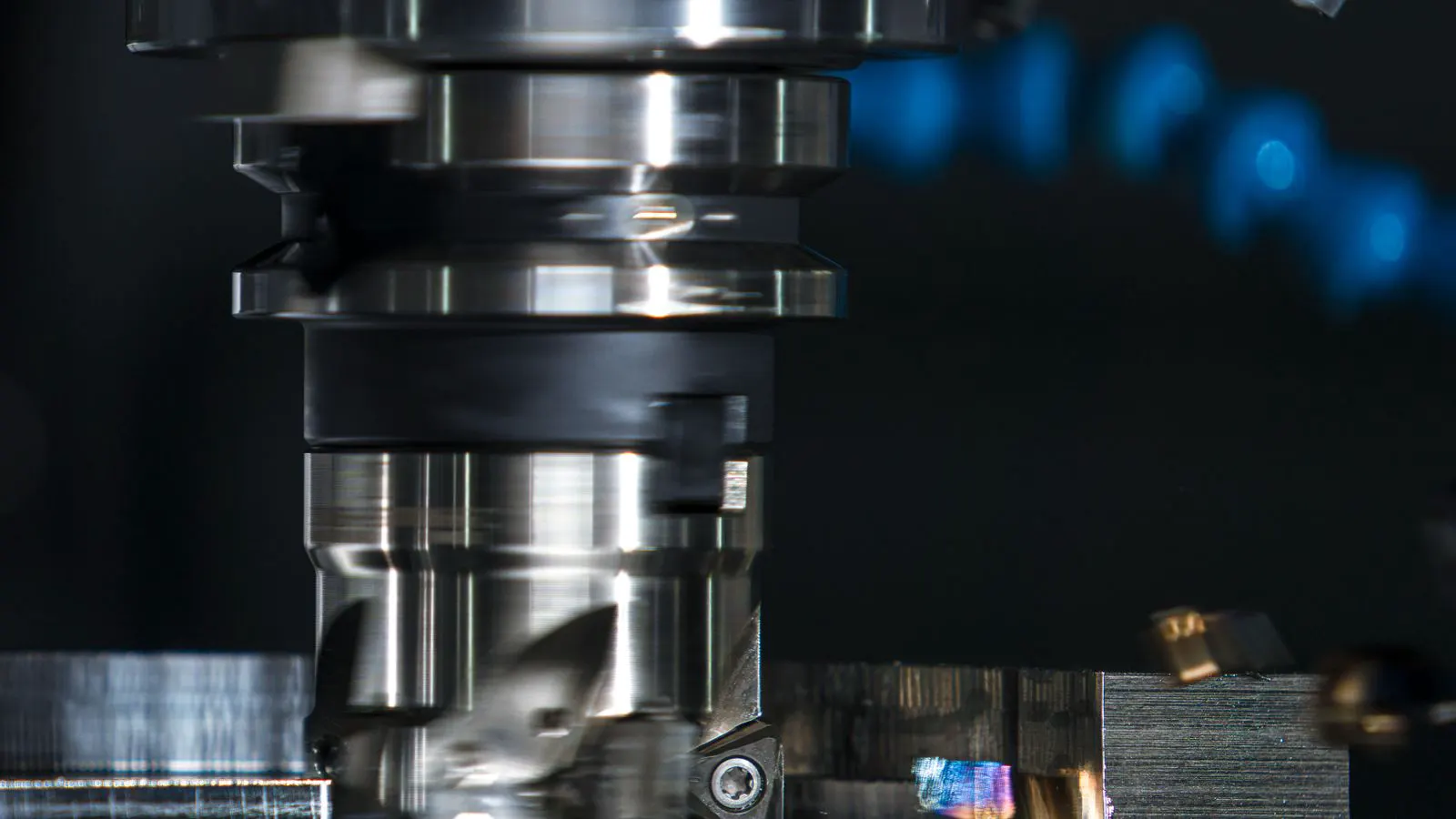
High-speed zinc die casting improves cycle times and tool life for high-volume parts. Buyers should plan for faster machine upgrades, tighter alloy controls, and better data integration to maintain capacity and quality.
- High-speed zinc casting requires tighter control of alloy chemistry, lubrication, and machine condition.
- Buyers should plan for shorter cycle times and increased tooling maintenance intervals.
- Data collection from each shot helps predict quality drift before defects appear.
- Sustainability and scrap reduction will influence long-term equipment choices.
- Collaboration between casting engineers and buyers will become more direct for process optimization.
What high-speed zinc die casting means for production capacity
High-speed zinc die casting compresses cycle times and raises throughput. The target is straightforward: more parts per hour without a drop in surface finish or dimensional stability. For buyers sourcing automotive brackets, electrical connectors, and appliance housings, this shift changes capacity planning and tooling management.
The process injects molten zinc alloy into hardened steel dies at high velocity. As machines accelerate, the window for material flow narrows. Small changes in melt temperature, die temperature, or lubrication alter part quality. Buyers must treat casting as a data-driven process, not just a machine setting.
The following shifts shape how high-speed zinc die casting develops and how buyers should prepare.
Shift 1: Faster injection speeds demand tighter alloy control
As machines run faster, alloy consistency becomes a larger factor in part quality. Zinc alloy grades vary in zinc content, magnesium, iron, and trace elements. These differences affect fluidity, solidification behavior, and surface finish.
High-speed casting leaves less time for the metal to fill the cavity. If the alloy is too thick, the part may be short. If it is too thin, it may flash or show poor surface quality. Buyers should expect tighter alloy specifications and more frequent chemistry checks.
Consider a bracket with thin walls and a deep core. A standard die casting alloy may fill the cavity slowly enough to allow air to escape. At high speed, the metal must move instantly. If the iron content is slightly high, the alloy becomes less fluid. The shot stops before the core is full. The part is short and must be scrapped.
Tooling must match the alloy. Hardened tool steel handles heat and wear. As cycle times shorten, heat build-up in the die increases. This raises the need for better cooling and more frequent die maintenance. A die that runs cool at 1 second per cycle may run hot at 0.5 seconds. The same tool steel that lasted thousands of hours at the slower speed may crack or wear rapidly at the faster speed.
Buyers should define alloy chemistry in the purchase order. Specify maximum iron, magnesium, and silicon limits. Request chemistry reports for each melt. Require the supplier to hold the melt temperature within a defined band. This prevents the alloy from becoming too thick or too thin before it enters the die.
Shift 1 continued: Practical alloy checks
A common mistake is to rely on the supplier’s standard alloy without confirming it for the specific casting speed. A zinc alloy that works for a slow-cast automotive part may fail for a high-speed electrical connector. The connector has thinner walls and higher surface finish requirements. The alloy must flow faster and fill deeper.
Buyers should ask for a test report showing the pour temperature and the chemical composition. If the supplier uses a recycled scrap stream, ask about the segregation of scrap. High scrap rates can introduce variable iron levels. Variable iron levels cause variable fluidity. Variable fluidity causes variable part quality.
The alloy check is not a one-time event. It happens every melt. The supplier must log the chemistry and the pour temperature. The buyer can review these logs during quality audits. This creates a traceable link between the metal used and the parts produced.
Shift 2: Machine upgrades and die condition affect long-term capacity
High-speed casting is not only about the machine. It is about the system. The die, the mold, the machine, and the control software must work together.
Buyers should plan for more frequent die inspections and resurfacing. Faster cycles create more thermal cycles. The die surface can wear, crack, or develop hot spots. These issues reduce part quality and can stop production.
A die that runs at 1 second per cycle experiences one thermal cycle per second. A die that runs at 0.5 seconds per cycle experiences two thermal cycles per second. The die surface expands and contracts twice as fast. This fatigue leads to micro-cracks. The cracks grow and cause flash or surface roughness.
Machine upgrades often include better hydraulic systems, improved clamping, and faster shot control. These upgrades increase throughput but also raise energy use and maintenance costs. Buyers should evaluate total cost of ownership, not just purchase price.
A machine upgrade may reduce the cycle time by 10 percent. The throughput increases. The die life may decrease by 20 percent. The energy use may increase by 15 percent. The maintenance cost may increase by 25 percent. The net benefit depends on the part volume and the quality requirements.
Buyers should model the total cost of ownership before committing to a high-speed machine. Include the die cost, the die maintenance cost, the energy cost, and the scrap cost. If the part volume is low, the high-speed machine may not pay for itself. If the part volume is high, the high-speed machine can reduce the cost per part significantly.
| System component | What changes with high-speed casting | Buyer action |
|---|---|---|
| Die material | More thermal stress and wear | Increase inspection frequency |
| Machine hydraulics | Faster shot times required | Plan for upgraded pump and valves |
| Alloy melt | Tighter chemistry and temperature control | Use in-line chemistry monitoring |
| Lubrication | More frequent die treatment | Standardize die spray schedule |
| Control software | Real-time data logging | Integrate quality tracking |
Shift 2 continued: Die inspection frequency
A practical example is a high-volume automotive bracket. The die runs at 0.8 seconds per cycle. The die surface wears faster than a die running at 1.5 seconds per cycle. The supplier should inspect the die weekly, not monthly. The buyer should approve the inspection schedule in the contract.
The inspection includes visual checks for cracks and wear. It also includes dimensional checks of the die cavity. If the cavity wears, the part size changes. The part may no longer fit the assembly. The buyer must define the acceptable dimensional tolerance for the die cavity.
The die material also matters. A standard tool steel may last 50,000 cycles at 1.5 seconds per cycle. It may last 25,000 cycles at 0.8 seconds per cycle. The buyer should ask for the expected die life at the target cycle time. The supplier should provide a die life guarantee. If the die fails before the guaranteed cycle count, the supplier replaces it or credits the cost.
Shift 3: Quality control moves from end inspection to in-process monitoring
At high speed, defects are more expensive because they appear in larger batches. Buyers should expect more in-process monitoring. This includes melt temperature sensors, die temperature probes, and pressure monitoring during filling.
These sensors feed data into a control system. The system can adjust injection pressure, cooling time, or die temperature in real time. If a drift is detected, the operator can stop the shot before a batch of bad parts is made.
For buyers, this changes the quality agreement. Instead of relying only on incoming inspection, the contract should include process data. The supplier should share key process parameters and alarm logs. This gives the buyer visibility into how the part is made, not just what the finished part looks like.
In-process monitoring catches problems early. A slow increase in die temperature can signal a cooling failure. A sudden drop in injection pressure can signal a hydraulic leak. A rise in melt temperature can signal a furnace issue. If the system detects a drift, it can pause the machine. The operator can fix the issue before bad parts are made.
Without in-process monitoring, the problem may not appear until the end-of-line inspection. By then, hundreds or thousands of parts may be bad. The cost of rework or scrap is much higher than the cost of stopping the machine early.
Buyers should require the supplier to provide a data log for each production run. The log should include melt temperature, die temperature, injection pressure, and cycle time. The buyer can review the log to identify trends. If the die temperature rises over several days, the cooling system may be failing. The buyer can ask the supplier to fix the issue before it causes defects.
Shift 3 continued: Quality agreement changes
The quality agreement should specify the data format and frequency. For example, the supplier should provide a CSV file for each shift. The file should include the start and end time, the number of parts produced, the melt temperature, the die temperature, and the injection pressure. The buyer can load this data into a dashboard. The dashboard can show trends and alert the buyer to problems.
The contract should also specify the alarm response time. If the system detects a drift, the supplier must respond within a defined time. For example, if the die temperature exceeds the limit, the supplier must stop the machine and notify the buyer within 30 minutes. This prevents the supplier from continuing to produce bad parts.
The buyer should also require the supplier to provide a corrective action report if a defect occurs. The report should identify the cause, the corrective action, and the preventive action. This helps the buyer understand the root cause and avoid the same problem in the future.
Shift 4: Sustainability and scrap reduction shape equipment choices
High-speed zinc die casting uses less material per part, but it also creates more scrap when defects occur. Buyers are increasingly focused on scrap reduction and energy use.
Scrap can come from short shots, flash, or surface defects. In high-speed production, a small scrap rate becomes a large volume of material. Buyers should ask how the supplier manages scrap and whether it is recycled.
A 1 percent scrap rate on a high-speed machine can produce a large volume of scrap. If the machine produces 10,000 parts per hour, a 1 percent scrap rate produces 100 parts per hour. Over a shift, this is 600 parts of scrap. Over a month, this is 14,400 parts of scrap. The cost of scrap is not just the material cost. It is also the energy cost, the machine time cost, and the labor cost.
Buyers should ask the supplier for the scrap rate for each part. The scrap rate should be defined by the supplier in the contract. If the scrap rate exceeds the limit, the supplier must provide a corrective action report. The buyer can hold the supplier accountable for scrap reduction.
Energy use is another factor. Faster machines consume more power. Buyers should evaluate whether the supplier uses energy recovery systems or optimized cooling. This can reduce operating cost and environmental impact.
A high-speed machine uses more power per cycle. The energy cost per part may increase. The supplier can reduce the energy cost by using energy recovery systems. These systems capture the energy from the hydraulic system and reuse it. The buyer should ask the supplier for the energy consumption per part. The buyer can compare the energy consumption of different machines and suppliers.
Sustainability also affects die life. A longer-lived die reduces material waste and downtime. Buyers should ask about die maintenance practices and whether the supplier offers a die life guarantee.
Shift 4 continued: Scrap management
The supplier should have a scrap management plan. The plan should define how scrap is sorted, stored, and recycled. Scrap can be sorted by type. Short shots, flash, and surface defects can be separated. This helps the supplier identify the cause of scrap. If the scrap is mostly short shots, the alloy may be too thick. If the scrap is mostly flash, the die may be worn.
The supplier should provide a scrap report for each production run. The report should include the quantity of scrap, the type of scrap, and the cause. The buyer can review the report to identify trends. If the scrap rate increases, the buyer can ask the supplier to investigate.
The buyer should also ask about the recycling rate. The supplier should recycle the scrap back into the melt. This reduces the need for new material. The buyer can verify the recycling rate by checking the supplier’s records. If the supplier does not recycle the scrap, the buyer can require the supplier to do so.
Shift 5: Data integration and digital tracking become standard
High-speed casting generates a lot of data. Each shot produces information on pressure, temperature, cycle time, and machine condition. Buyers should expect this data to become part of the standard quality process.
Digital tracking connects the casting machine to the plant’s production system. Data from one machine can feed into a central dashboard. This helps identify trends before they become problems.
For example, a slow increase in die temperature over several days can signal cooling failure. Without tracking, this may appear as random defects. With tracking, the team can fix the cooling system before parts fail.
Buyers should specify data access in their contracts. They should ask for the format, frequency, and retention period of process data. This makes it easier to audit quality and improve the process over time.
Data integration requires the supplier to have a digital system. The system should collect data from the machine sensors and send it to a central server. The buyer can access the server through a dashboard. The dashboard can show real-time data and historical trends.
A common mistake is to rely on manual data entry. Manual entry is slow and error-prone. It does not provide real-time visibility. The buyer should require automated data collection. The data should be recorded for each shot. The data should be stored for a defined period.
The buyer should also require the supplier to provide a data dictionary. The data dictionary should define each data field. For example, the data dictionary should define what “melt temperature” means. Does it include the temperature of the furnace or the temperature of the melt pot? The data dictionary should define the units, the sampling rate, and the data format.
Shift 5 continued: Dashboard use
The buyer can use the dashboard to monitor production. The dashboard can show the current cycle time, the current scrap rate, and the current die temperature. If the cycle time increases, the buyer can ask the supplier to investigate. If the scrap rate increases, the buyer can ask the supplier to provide a corrective action report.
The dashboard can also show trends over time. For example, the dashboard can show the die temperature over the last 30 days. If the die temperature rises over time, the cooling system may be failing. The buyer can ask the supplier to fix the issue before it causes defects.
The buyer should also use the dashboard to plan maintenance. The dashboard can show the number of cycles since the last die maintenance. If the die has reached 80 percent of its expected life, the buyer can ask the supplier to schedule a maintenance window. This prevents unexpected downtime.
Shift 6: Supplier and buyer collaboration becomes more technical
High-speed zinc die casting requires more technical input from both sides. The supplier knows the machine and the die. The buyer knows the part design and the assembly process.
When the two teams work closely, they can solve problems faster. For example, a buyer may find that a part is difficult to assemble. The supplier can adjust the die or the casting parameters to improve the fit.
Buyers should assign an engineer to work with the supplier on high-speed casting projects. This person should understand alloy behavior, machine settings, and quality systems. The goal is to catch issues early and avoid costly changes later.
A practical example is a connector with a tight assembly tolerance. The buyer’s assembly line finds that the connector does not fit the socket. The buyer’s engineer analyzes the part and finds that the cavity is slightly out of tolerance. The supplier’s engineer analyzes the die and finds that the die surface is worn. The supplier resurfaces the die. The part now fits the socket.
Without collaboration, the problem may take weeks to solve. The buyer may reject the part. The supplier may rework the part. The production line may stop. The cost is much higher than the cost of fixing the die early.
The buyer’s engineer should have access to the supplier’s process data. The engineer can review the data and identify trends. The engineer can also review the part design and suggest changes to improve manufacturability. For example, the engineer can suggest adding a draft angle to the part to make it easier to eject from the die.
The buyer should hold regular meetings with the supplier. The meetings should review the production data, the quality issues, and the improvement opportunities. The buyer should also review the supplier’s corrective actions. The buyer should verify that the corrective actions are effective.
How buyers should prepare for high-speed zinc die casting
Buyers can take concrete steps to get ready for this shift.
- Review the current alloy specification and confirm it matches the casting speed. If the alloy is too thick or too thin, it may need adjustment.
- Check the die maintenance schedule. Faster cycles mean more frequent inspections and possible resurfacing.
- Ask the supplier for in-process monitoring data. This should include melt temperature, die temperature, and injection pressure.
- Evaluate the total cost of ownership, including energy, scrap, and maintenance.
- Plan for a technical relationship with the supplier. Assign an engineer to review process data and part fit.
These steps reduce risk and improve capacity. They also help the buyer plan for future growth without major retooling.
What to watch in the next few years
The next few years will bring more standardization in high-speed zinc die casting. Buyers should watch for improvements in die materials, machine control, and alloy processing.
Newer die steels may offer better heat resistance and longer life. Machine control systems will continue to improve, allowing more automatic adjustments. Alloy suppliers may offer grades optimized for high-speed casting, with better fluidity and lower impurity levels.
Buyers should stay flexible. Technology will change, but the basic goals will remain the same. Faster production, better quality, and lower cost. The buyers who prepare now will be in a better position to scale production and meet demand.
Frequently asked questions
What is the main benefit of high-speed zinc die casting?
It increases production capacity by reducing cycle times and allowing more parts per hour. This helps meet high-volume demand without adding extra machines.
How does high-speed casting affect alloy selection?
It requires tighter alloy chemistry and temperature control. Small changes in zinc content or impurities can affect filling, surface finish, and part strength.
What machine upgrades are needed for high-speed zinc die casting?
Buyers may need faster hydraulic systems, improved clamping, and better shot control. These upgrades help maintain speed and part quality.
How does data monitoring help with quality control?
Real-time data from sensors helps detect drift in temperature, pressure, or cycle time. This allows operators to correct issues before defects appear in the finished parts.
What should buyers ask suppliers about sustainability?
Buyers should ask about scrap management, energy use, and die life. These factors affect cost and environmental impact.


