Buyers Guide: Sourcing Magnesium Die Casting Vendors
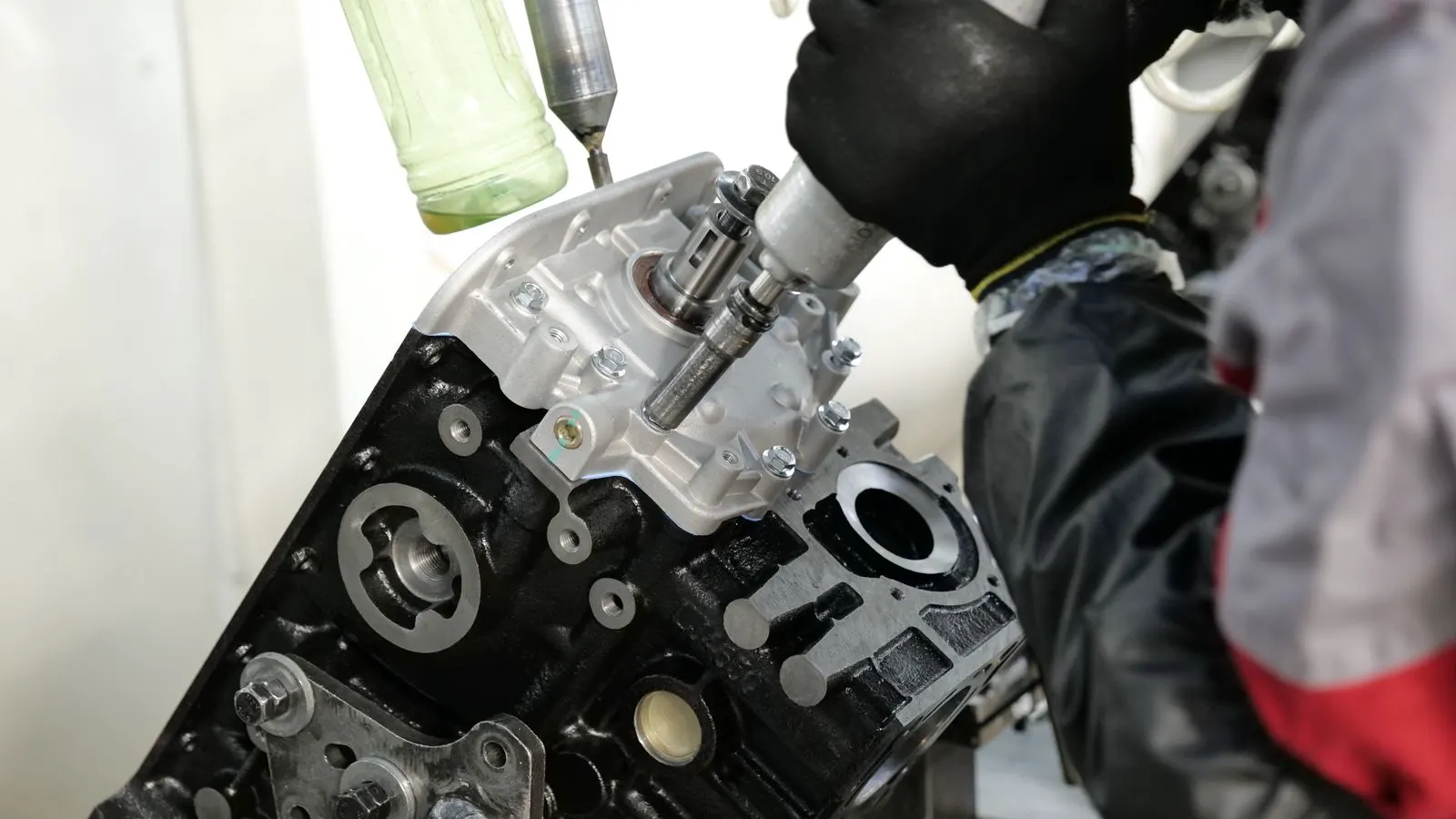
To select reliable magnesium die casting suppliers, verify alloy certification, inspect corrosion prevention controls, and audit quality processes. Prioritize vendors with documented traceability, consistent dimensional stability, and clear communication protocols.
- Verify magnesium alloy certification and material traceability before qualifying a supplier.
- Prioritize vendors with documented corrosion prevention and surface treatment controls.
- Audit quality gates to ensure dimensional stability and defect rates meet project needs.
- Use a structured decision checklist to compare capabilities and reduce sourcing risk.
Why Sourcing Magnesium Die Casting Requires a Different Approach
Magnesium die casting parts demand a supplier with deeper material science knowledge than a typical zinc casting vendor. The alloy is lighter and more conductive than steel, which changes how parts handle thermal cycling and mechanical stress. Buyers often assume any foundry capable of die casting can handle magnesium, but the process requires distinct tooling, gas control, and post-casting treatment.
The difference matters most when parts experience vibration, moisture, or plating. A magnesium die casting supplier must manage oxidation, hydrogen porosity, and galvanic corrosion. Without these controls, parts fail early in service. A specific example is a lightweight housing for an electric power tool. If the magnesium alloy absorbs hydrogen during casting due to poor degassing, tiny gas pockets form inside the walls. These voids act as stress concentrators. Under the vibration of the motor, the micro-voids can grow, leading to sudden fracture. Sourcing a vendor that treats these risks as standard practice saves engineering time and prevents field returns.
What to Check in Alloy Certification and Traceability
Start with the material specification. Request the mill test report or equivalent certification for each heat lot. The document should match the exact alloy grade specified in the drawing, such as AZ92 or A380. If the supplier cannot provide lot-specific traceability, the risk of mixed materials increases. Imagine a batch of fasteners where half the ingots are high-grade AZ92 and the rest are low-grade AZ91. The resulting parts may look identical but perform differently under load.
For imported parts, check the certification format. Some regions require specific third-party audits or material declarations. The document should list chemical composition within the standard tolerance for that alloy. If the supplier uses a generic certificate without a heat number, ask how they guarantee purity. You need to know that the silicon and iron content falls within the specified limits. Iron content, for instance, is critical in magnesium alloys. Too much iron creates a brittle intermetallic phase that reduces ductility. A specific mill test report will show the exact percentages. If the report is vague, the material is not qualified for critical applications.
Also verify the supplier’s storage and handling procedures. Magnesium alloy is reactive, and improper storage can introduce moisture or contamination before casting. Ask whether raw material is protected from ambient moisture and whether the supplier inspects ingots for surface oxidation before melting. A competent foundry will store ingots in dry, ventilated areas and use fluxes to remove surface oxides during the melt. If ingots are stored in a damp warehouse, surface oxidation will accelerate. This oxide layer must be removed in the melt pool. If the supplier does not inspect ingots, they may melt contaminated material, leading to inclusions and porosity in the final part.
How to Evaluate Corrosion Prevention and Surface Treatment
Magnesium alloy is naturally susceptible to corrosion, especially in chloride or marine environments. A competent magnesium die casting supplier will not just cast the part and ship it. They will control the surface condition and recommend or apply protective treatment. Consider a steering column housing for a vehicle. If this part is exposed to road salt, magnesium will corrode rapidly without protection. The supplier must apply a coating that isolates the metal from the environment.
Ask about the corrosion prevention steps between casting and delivery. Common methods include alkaline or chromate conversion coatings, anodizing, or specific primers for plating. The supplier should document the process parameters, such as bath chemistry and temperature, and provide inspection records. Anodizing, for example, creates a thick oxide layer on the surface. The thickness of this layer depends on the voltage and time used. The supplier should be able to show that their anodizing bath maintains the correct pH and temperature. If they do not, the coating will be porous and ineffective.
For parts that will be plated, the supplier must understand how magnesium reacts with zinc or nickel plating. Without proper pre-treatment, plating can peel or blister. Ask if the vendor has experience with your specific plating process and if they provide test reports for adhesion or salt spray resistance. A common failure is zinc plating on magnesium. The galvanic potential difference between the two metals can cause rapid corrosion at the interface. The supplier must apply a nickel under-plating or a specific primer to prevent this. Request a salt spray test report. The report should state the hours of exposure before the first rust spot appears on the test coupon. If the supplier cannot provide this data, their plating process is unverified.
Quality Gates and Defect Control in Magnesium Die Casting
Defect control in magnesium die casting focuses on porosity, dimensional drift, and surface finish. Porosity is the most common failure mode, often caused by poor venting or gas entrainment. A reliable supplier will use automated X-ray or ultrasonic testing for critical parts, not just visual inspection. Visual inspection only catches surface defects. It cannot see voids hidden inside the casting. For a fuel pump housing, a small internal void can lead to a leak. The supplier must use X-ray or ultrasonic scanning to detect these voids. The test images should be archived with the part serial number.
Dimensional stability is another concern. Magnesium alloys have higher thermal expansion than some alternatives, which can cause part size variation if cooling rates are inconsistent. Ask how the vendor controls cavity temperature and cooling cycles. They should be able to show statistical process control charts for critical dimensions. SPC charts plot the mean and standard deviation of a dimension over time. If the chart shows a trend, the supplier should be able to explain the cause. For example, if the cavity temperature fluctuates, the part may shrink unevenly. The supplier should monitor the mold temperature sensors and adjust the coolant flow to keep the temperature constant.
Surface finish requirements also vary. Magnesium parts often need a smoother finish for cosmetic applications. Ask about the supplier’s ability to achieve specific Ra values and if they use polishing or bead blasting. If the drawing calls for a tight tolerance, verify if the supplier has in-house metrology or relies on subcontracting for final inspection. A CMM (Coordinate Measuring Machine) is the standard for measuring complex shapes. If the supplier sends parts out for CMM inspection, the lead time increases and the risk of damage during transit rises. In-house metrology allows for immediate feedback and adjustment of the casting process.
Tooling and Capacity Considerations for Magnesium Parts
Magnesium die casting tools wear faster than aluminum or zinc tools due to the alloy’s abrasive nature. Ask about the tooling material and maintenance schedule. High-speed steels or nickel-based alloys are common, but the supplier should disclose their replacement policy. If the tooling is old and poorly maintained, expect higher defect rates and shorter lead times. Magnesium is abrasive to steel. Over time, the mold cavities develop a rougher finish. This rough finish transfers to the part surface, causing texture defects. The supplier should have a plan for polishing or re-machining the cavities before they become too worn. They should also provide a maintenance log. This log should show when the mold was inspected and what repairs were made.
Capacity planning matters for complex parts. Magnesium casting often requires slower cycle times to ensure proper solidification. If you need high volume, verify the supplier’s machine count and shift structure. Do not assume a standard zinc die casting schedule applies. Ask about their peak capacity and how they handle rush orders without compromising quality. A slower cycle time means fewer parts per hour. If the supplier has only a few machines, they cannot meet high volume demands. They may try to speed up the process to meet the deadline. This can lead to incomplete solidification and internal porosity. The supplier must be honest about their capacity limits.
Also consider the supplier’s tooling design capability. Magnesium parts often have thin walls and complex geometries. The supplier should offer design for manufacturing feedback early in development. Ask if they have a DFM team that can review your CAD files and suggest changes to prevent casting defects. DFM is not just a formality. A good DFM review can save thousands of dollars. For example, if a part has a sharp internal corner, the supplier will suggest increasing the radius. This prevents stress concentration and improves filling. They may also suggest adding a venting hole to allow gas to escape. These changes are simple to make in the design but critical for production success.
How to Compare Vendors Using a Structured Checklist
Comparing magnesium die casting vendors requires a standardized approach. The following table outlines the key criteria to evaluate during sourcing. Use this as a baseline for your scorecard.
| Criterion | What to look for | Why it matters |
|---|---|---|
| Alloy Certification | Mill test reports with heat lot numbers matching spec | Ensures material purity and traceability for failure analysis |
| Corrosion Control | Documented surface treatment processes and test reports | Prevents field failures due to oxidation or plating adhesion |
| Defect Inspection | X-ray, ultrasonic, or CMM data for critical features | Reduces risk of hidden porosity or dimensional drift |
| Tooling Maintenance | Clear replacement policy and maintenance records for molds | Extends production life and maintains part consistency |
| Communication | Dedicated engineer contact and clear reporting cadence | Speeds up problem resolution and design feedback |
| Sustainability | Recycled content reports and energy efficiency data | Meets corporate environmental goals and regulatory trends |
Decision Checklist for Final Selection
Before signing an agreement, run the supplier through this numbered checklist. It forces a final review of the risks that cause sourcing failures.
- Confirm that the supplier has provided current alloy certification for the specific grade required.
- Verify that the supplier’s corrosion prevention process matches your end-use environment requirements.
- Review the supplier’s quality plan to ensure it includes statistical process control for critical dimensions.
- Assess the supplier’s tooling age and maintenance records to predict production stability.
- Test the supplier’s communication by requesting a sample of their defect inspection report.
- Confirm that the supplier can meet your lead time without compromising the quality gates above.
- Document any exceptions or waivers in writing, including who approves them.
Sourcing magnesium die casting is a risk management exercise. The supplier you choose will determine whether your parts survive in the field or return to your warehouse. By focusing on certification, corrosion control, and quality gates, you reduce the uncertainty and secure a partner capable of delivering complex magnesium alloy parts consistently.
Frequently asked questions
Can any die casting supplier handle magnesium alloy?
No. Magnesium requires specific gas control and tooling materials due to its reactivity and abrasiveness. Not all zinc or aluminum casting vendors have the necessary equipment or expertise.
What is the main risk of not verifying alloy certification?
Uncertified material may have incorrect chemical composition or hidden impurities, leading to part failure in service or inability to trace a defect back to the source.
How does corrosion affect magnesium die cast parts?
Magnesium corrodes rapidly in moisture and chloride environments. Without proper surface treatment, parts can lose strength or fail plating adhesion within months.
What inspection methods are standard for magnesium parts?
Visual inspection, dimensional checking with CMMs, and non-destructive testing like X-ray or ultrasonic for porosity are common. The depth of testing depends on the part's criticality.
How long does tooling last for magnesium die casting?
Tool life varies by alloy, part complexity, and maintenance. Magnesium is harder on tools than aluminum, so expect more frequent maintenance and potential replacement sooner than for zinc.


