Troubleshooting: Premature Die Wear in Zinc Casting

Premature die wear in zinc casting usually stems from poor lubrication, thermal shock, or incorrect die steel hardness. Engineers can diagnose issues by inspecting wear patterns and reviewing process parameters. Corrective actions include adjusting melt temperature, improving lubricant coverage, and verifying core steel specifications.
- Inspect wear patterns early to distinguish between lubrication failures and thermal damage.
- Verify die steel hardness against the original purchase specification to rule out material issues.
- Maintain consistent melt temperatures to prevent thermal shock during the casting cycle.
- Review lubricant coverage and application method to ensure proper protection of the die surface.
- Document maintenance actions and process changes to track the effectiveness of corrective measures.
Early tool degradation disrupts production schedules and increases the cost of parts. In zinc die casting, the alloy is softer than aluminum or magnesium, which reduces pressure on the die surface. However, the high melt temperatures and rapid solidification cycle still create significant thermal and mechanical stress on the tooling. When wear appears sooner than expected, it often signals a mismatch between the process conditions and the die’s design or material properties.
What does premature wear look like?
Wear does not always appear as a single deep groove. It can manifest as a loss of surface finish, a change in part dimensions, or a visible change in the texture of the die face. Engineers should inspect the die cavity at regular intervals, not just when a defect appears on the first part of a shift.
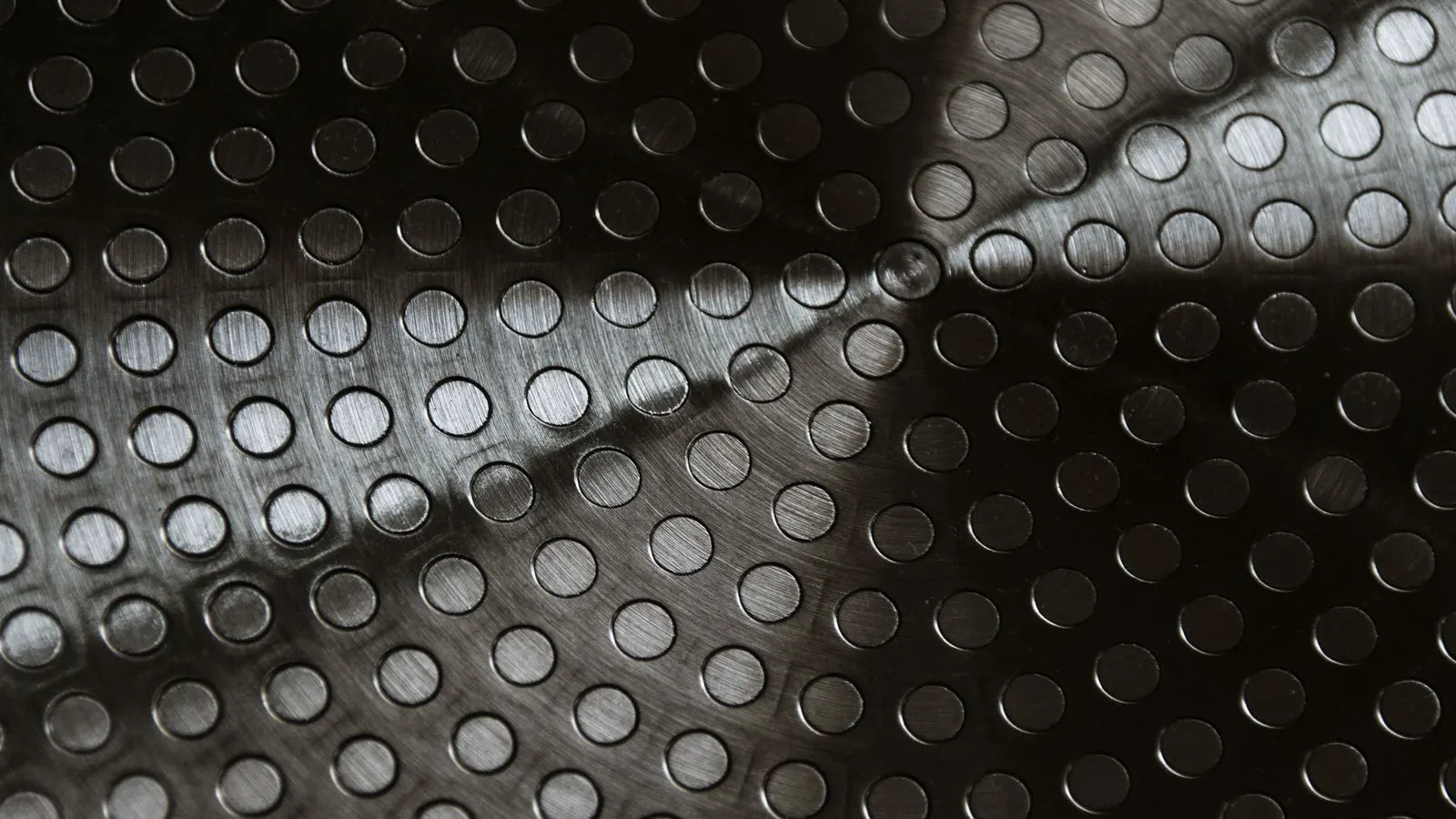
A common symptom is a shiny, polished area on the die surface. This indicates that the die is not receiving enough protection from the lubricant. The metal is in direct contact with the die face during the fill phase. Another sign is a rough, pitted surface. This often points to thermal damage or a lack of proper die coating.
| Symptom | Likely cause | What to do |
|---|---|---|
| Shiny, polished die surface | Insufficient lubricant coverage or incorrect lubricant type | Check lubricant application rate and verify the lubricant is rated for zinc casting temperatures. |
| Rough, pitted surface | Thermal shock or die coating failure | Review melt temperature settings and inspect the die coating for cracks or peeling. |
| Part flash on thin sections | Die parting line gap or corrosion | Check the parting line for corrosion and ensure the die is aligned correctly in the press. |
| Dimensional drift | Die face wear on critical features | Measure critical dimensions and assess wear on the specific area causing the deviation. |
| Sticking or drag marks | Inadequate release or surface contamination | Clean the die surface and verify the release agent is applied uniformly. |
How do you diagnose the root cause?
Diagnosis starts with a visual inspection of the die. Look for the pattern of the wear. Wear around the parting line suggests a lubrication or alignment issue. Wear concentrated in the high-pressure zones suggests a material hardness issue or excessive melt temperature.
Check the process parameters. The melt temperature of the zinc alloy is a key factor. Running the melt too hot increases the thermal load on the die. It also reduces the viscosity of the alloy, which can change the fill pattern and increase friction. If the melt temperature has been raised to fix a fill problem, it may be contributing to the wear.
Review the die maintenance history. When was the last time the die was cleaned? Was the die coating renewed? Was the die steel hardness verified? If the die has been in service for a long period without a full inspection, the wear may be cumulative.
How does die steel hardness affect life?
The hardness of the die steel is a primary determinant of its resistance to wear. Softer steels may allow for better surface finish but will wear faster under high pressure. Harder steels resist wear better but can be more brittle and may crack if subjected to thermal shock.
The core steel specification should be verified against the original purchase order. If the die was fabricated by a vendor, request the heat treatment certificates. If the die has been remachined or repaired, check the hardness of the new material. A mismatch in hardness between the core and the surface layer can lead to early failure.
In some cases, the die steel may not be the issue. The die could be made of the correct material but subjected to conditions that exceed its design limits. For example, running the press at a higher tonnage than the die was rated for can cause localized stress concentrations.
What role does die coating play?
Die coating acts as a sacrificial barrier between the molten zinc and the die steel. It reduces friction, improves part release, and protects the die surface from thermal damage. The coating is typically a thin layer of a non-reactive material.
The effectiveness of the coating depends on its application method and maintenance. If the coating is too thick, it can crack and flake off, exposing the die steel. If it is too thin, it may not provide adequate protection. The coating should be applied according to the manufacturer’s instructions and inspected regularly for damage.
A failed coating is a common cause of premature wear. If the coating peels or cracks, the die steel is exposed to the molten metal. This leads to rapid wear and can cause parts to stick. Reapplying the coating is a standard maintenance procedure.
How do you prevent premature wear?
Prevention is more effective than repair. It requires a systematic approach to die maintenance and process control.
- Maintain consistent melt temperatures. Monitor the melt temperature at the pot and at the die. If the temperature fluctuates, adjust the heating elements or the preheat settings.
- Verify lubricant coverage. Ensure the lubricant is applied to all critical areas of the die. Use a spray system or a manual application method that provides uniform coverage.
- Inspect the die coating. Check for cracks, peeling, or thin spots. Apply a new coat of coating as needed.
- Monitor die surface finish. Use a microscope or a magnifying glass to inspect the die surface. Look for signs of wear, pitting, or corrosion.
- Keep detailed maintenance records. Document every inspection, repair, and process change. This helps identify trends and predict failures.
How do you manage die maintenance?
Managing die maintenance requires coordination between the casting team and the tooling team. The casting team should report any changes in part quality or process behavior. The tooling team should inspect the die and make the necessary repairs.
A scheduled maintenance program is essential. This includes regular cleaning, inspection, and lubrication. The frequency of the maintenance depends on the production volume and the complexity of the die. For high-volume production, the die may need to be inspected every shift. For low-volume production, weekly inspections may be sufficient.
The die maintenance team should have access to the necessary tools and materials. This includes die cleaning solvents, lubricants, die coating, and measurement tools. They should also have access to the die’s original specifications and maintenance history.
When should you replace the die?
Sometimes, repair is not possible. If the die surface is severely worn, if the die steel is cracked, or if the die geometry is distorted, replacement may be the only option. The cost of a new die should be weighed against the cost of continued production with a worn die.
A worn die can produce parts with defects such as flash, misruns, and dimensional inaccuracies. These defects can lead to scrap, rework, and customer complaints. If the cost of scrap and rework exceeds the cost of a new die, replacement is the better option.
Before deciding to replace the die, consider if the wear is due to a process issue. If the process is adjusted, the wear may slow down. For example, reducing the melt temperature or improving lubrication coverage may extend the die life.
Conclusion
Premature die wear is a complex issue that requires a systematic approach to diagnose and resolve. By inspecting the die, reviewing process parameters, and verifying maintenance practices, engineers can identify the root cause of the wear. Corrective actions, such as adjusting melt temperature, improving lubrication, and renewing die coating, can extend the die life. A well-managed die maintenance program is the best way to prevent premature wear and ensure consistent part quality.
Frequently asked questions
What is the most common cause of premature die wear in zinc casting?
Insufficient lubricant coverage is the most common cause. The die surface is in direct contact with the molten zinc, leading to rapid wear if the lubricant is not applied correctly.
How often should I inspect the die for wear?
The frequency depends on the production volume. For high-volume production, inspect the die every shift. For low-volume production, weekly inspections are usually sufficient.
Can I extend die life by changing the melt temperature?
Yes. Running the melt at the lowest temperature that allows for a good fill can reduce the thermal load on the die and extend its life.
What should I do if the die surface is shiny?
A shiny surface indicates a lack of lubrication. Check the lubricant application rate and verify the lubricant is rated for the operating temperature.
How do I know if the die steel is the right hardness?
Verify the hardness against the original purchase specification. If the die was remachined, check the hardness of the new material. A mismatch can lead to early failure.