Buyers Guide: Selecting Die Coating Vendors for Zinc
To select a die coating vendor for zinc casting, evaluate coating chemistry, application methods, surface preparation, and ongoing support. Reliable vendors provide consistent protection against wear and corrosion, reducing downtime and extending the life of production dies.
- Match the coating system to the specific wear mechanisms in your zinc casting process.
- Require vendors to document surface preparation and application standards for every job.
- Evaluate the vendor's ability to perform on-site inspections and emergency re-coating.
- Align contract terms with production schedules to minimize downtime during maintenance.
- Request sample test results before committing to a long-term supply agreement.
Selecting a die coating vendor for zinc casting requires more than comparing price lists. Zinc casting tools face aggressive friction, thermal cycling, and corrosive environments that accelerate wear. The right vendor protects the die face, reduces maintenance frequency, and supports stable production output.
A poor coating choice leads to pitting, galling, and early die failure. A strong vendor understands the specific pressures of zinc die casting and offers a system that fits your production volume and tooling setup.
What coating systems fit zinc casting applications
Zinc casting tools experience distinct failure modes. The die face contacts molten metal at temperatures that cause thermal shock and oxidation. Friction from the ejector and core interfaces creates localized stress points. The coating must address these specific mechanisms.
Vendors offer different coating chemistries. Some systems rely on hard ceramic layers that resist abrasion. Others focus on thermal barrier properties to reduce temperature gradients across the die. A few combine both, offering a balanced approach for high-volume production.
Consider the type of die you are using. Core dies and cavity dies often require different protection levels. Cavity dies face direct contact with the metal and typically need a harder surface. Core dies may benefit more from corrosion resistance and thermal management.
When evaluating a vendor, ask which system they recommend for your specific die geometry. A generic answer suggests a lack of technical depth. A strong vendor will ask about your casting design, production rate, and current die wear patterns before making a recommendation.
How to evaluate surface preparation standards
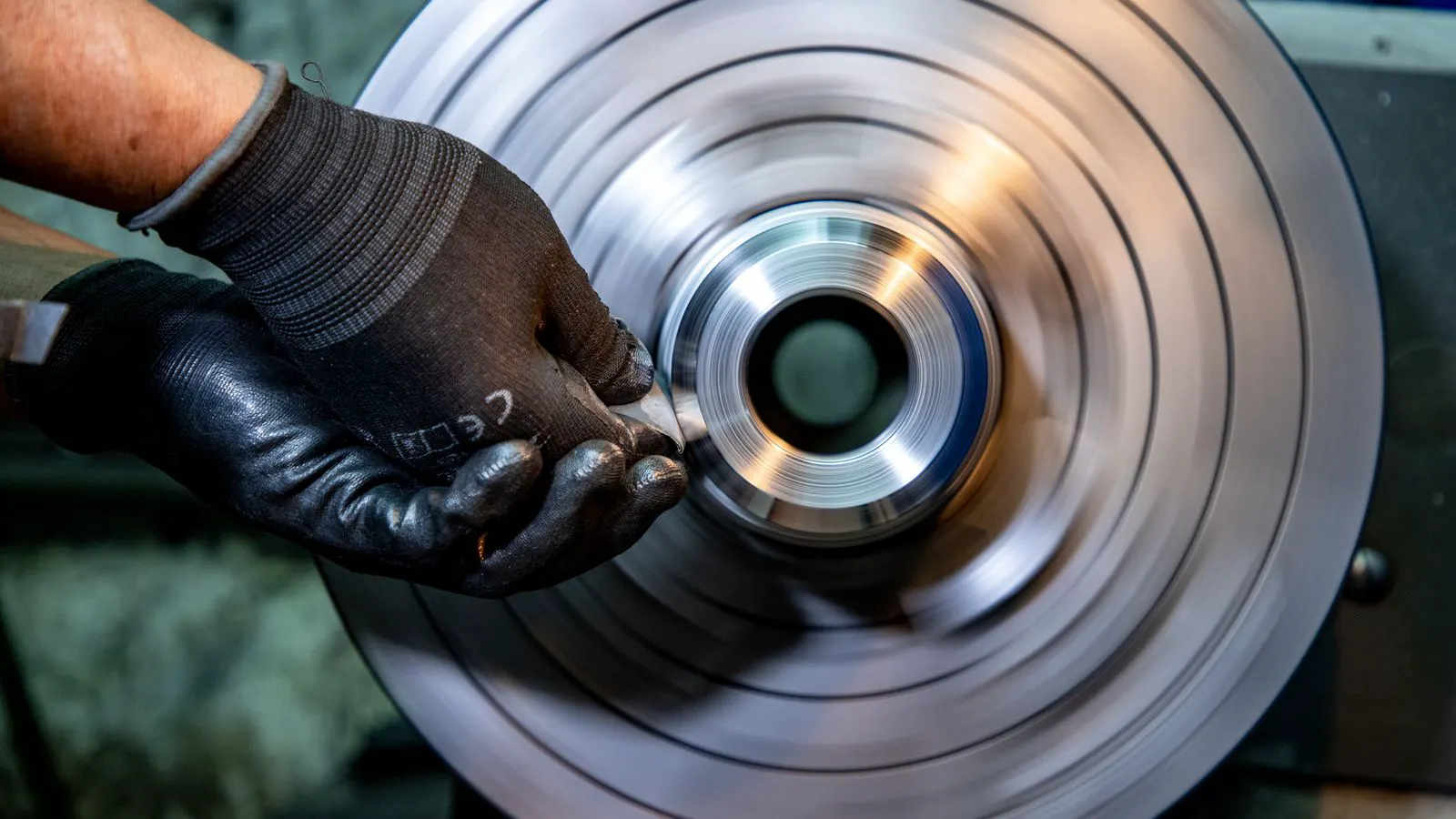
Coating performance depends heavily on surface preparation. A vendor that applies a high-quality coating to a poorly prepared surface will deliver short-term results and long-term failure. Surface preparation removes old coatings, oxidation, and contaminants that prevent proper adhesion.
The preparation process typically includes cleaning, degreasing, and light abrasion. Some vendors use chemical etching to create a micro-textured surface for better bond strength. The method must be consistent for every die, even if the die is only undergoing spot repairs.
Request the vendor’s standard operating procedures for surface preparation. Look for documented steps, acceptable tolerances, and verification methods. Do not rely on verbal assurances. Written procedures show a systematic approach and provide a basis for quality control.
Inspect the die after preparation but before coating is applied. The surface should look clean and uniform. Any visible residue or uneven texture indicates a problem. If the vendor cannot show you the preparation step, they may be skipping it to save time or cost.
Surface preparation is a critical part of the service. A vendor that treats it as an afterthought will compromise the entire coating system.
What support and service should you expect
Coating is not a one-time transaction. The vendor must support the die over its entire life cycle. This includes monitoring wear, advising on re-coating schedules, and responding to unexpected damage.
A reliable vendor offers regular inspections. They can identify early signs of coating failure, such as micro-cracking or edge chipping, before they cause production issues. Early detection allows for targeted repairs rather than full die replacement.
Emergency service is another key factor. Production lines do not stop for convenience. If a die suffers damage during casting, you need a vendor who can respond quickly. Ask about their turnaround time for emergency repairs. Do not accept vague promises. Get specific timeframes in writing.
Some vendors provide on-site service. They travel to your facility to inspect and re-coat dies without requiring you to ship the tool. This reduces logistics time and keeps your production schedule intact. Others operate from a central facility, which may be more cost-effective but introduces shipping delays.
Match the service model to your operational needs. A high-volume plant with multiple dies may benefit from on-site service. A smaller operation with occasional maintenance needs may prefer a facility-based approach.
Criteria for comparing die coating vendors
Use a structured approach to compare vendors. The table below outlines the key criteria for evaluation.
| Criterion | What to look for | Why it matters |
|---|---|---|
| Technical expertise | Knowledge of zinc casting failure modes and die materials | Ensures the right coating system is selected for your application |
| Surface preparation | Documented cleaning, etching, and inspection standards | Guarantees proper adhesion and prevents early coating failure |
| Application consistency | Uniform coating thickness and surface finish | Maintains casting quality and reduces die wear over time |
| Service response | Defined turnaround times for inspections and repairs | Minimizes downtime and protects production schedules |
| Documentation | Test reports, material certificates, and maintenance logs | Provides traceability and supports internal quality audits |
| Reference accounts | Similar production volumes and die types | Demonstrates proven performance in comparable environments |
Review each vendor against these criteria. Assign weights based on your priorities. If production uptime is your top concern, weight service response and application consistency heavily. If cost control is the primary driver, focus on technical fit and documentation.
Do not let price be the deciding factor. A cheaper vendor that provides inconsistent results will cost more in the long run through increased maintenance and die replacement.
How to test coating performance before committing
Before signing a long-term contract, run a pilot test. Select a single die or a small group of dies and have the vendor apply their coating system. Run the die under normal production conditions for a defined period.
Measure the results. Track the number of cycles before visible wear appears. Compare casting surface finish to your current standard. Check for issues like flash, misalignment, or premature die damage.
Request the vendor to provide test data. They should be able to share results from similar applications. If they refuse to share data, it may indicate a lack of confidence in their system.
A pilot test also evaluates the vendor’s communication. Are they responsive? Do they provide clear instructions for maintenance? Do they adjust their approach based on your feedback? These soft skills often determine the success of a long-term partnership.
Use the pilot results to negotiate terms. If the pilot performs well, you have a basis for demanding better service levels or pricing. If it underperforms, you have identified the issue before committing significant resources.
Building a long-term relationship with a coating vendor
The best outcomes come from treating the vendor as a partner, not just a supplier. Share your production goals, quality targets, and maintenance constraints. A vendor who understands your context can offer better recommendations and proactive solutions.
Establish a regular review process. Meet quarterly to discuss die performance, coating condition, and any emerging issues. Use these meetings to refine the maintenance schedule and adjust the coating strategy as your production evolves.
Keep detailed records of every coating application and inspection. Log the date, vendor, coating type, and any observations. This history helps identify patterns and supports future vendor evaluations.
A strong relationship reduces friction. When problems arise, a trusted vendor will prioritize your needs and work with you to find solutions. This flexibility is invaluable during high-pressure production periods.
Decision checklist
Before finalizing your selection, complete the following checklist:
- Confirm the vendor has experience with zinc die casting and similar die materials.
- Review their standard operating procedures for surface preparation and coating application.
- Request references from companies with comparable production volumes.
- Define the service level agreement, including response times for inspections and repairs.
- Agree on a pilot test scope and success criteria.
- Verify that the vendor provides full documentation for each job.
- Align contract terms with your production calendar and maintenance windows.
Complete each item before signing. Missing any of these steps increases the risk of poor performance and unexpected costs.
Use the checklist as a baseline for your evaluation process. It ensures that all critical factors are considered and that the decision is based on verified facts rather than assumptions.
Frequently asked questions
How often should a zinc die be re-coated?
Re-coating frequency depends on production volume, die material, and coating system. A reliable vendor will provide a schedule based on wear monitoring and inspection data.
Can I use the same coating vendor for core and cavity dies?
Yes, but the coating system may need to vary. Cavity dies often require harder abrasion resistance, while core dies may benefit more from thermal management. The vendor should recommend the appropriate system for each die type.
What is the biggest mistake buyers make when selecting a die coating vendor?
Choosing based on price alone. Low-cost vendors often cut corners on surface preparation or use inferior materials, leading to early failure and higher total costs.
Do I need to ship dies to a central facility for coating?
Not necessarily. Many vendors offer on-site service to reduce downtime. Evaluate which model fits your production schedule and location.
How do I verify the quality of a coating application?
Request test reports and material certificates. Inspect the die after application to check for uniform coverage and surface finish. Run a pilot test to measure performance under real production conditions.