Outlook: Global Die Casting Capacity and Nearshoring Trends
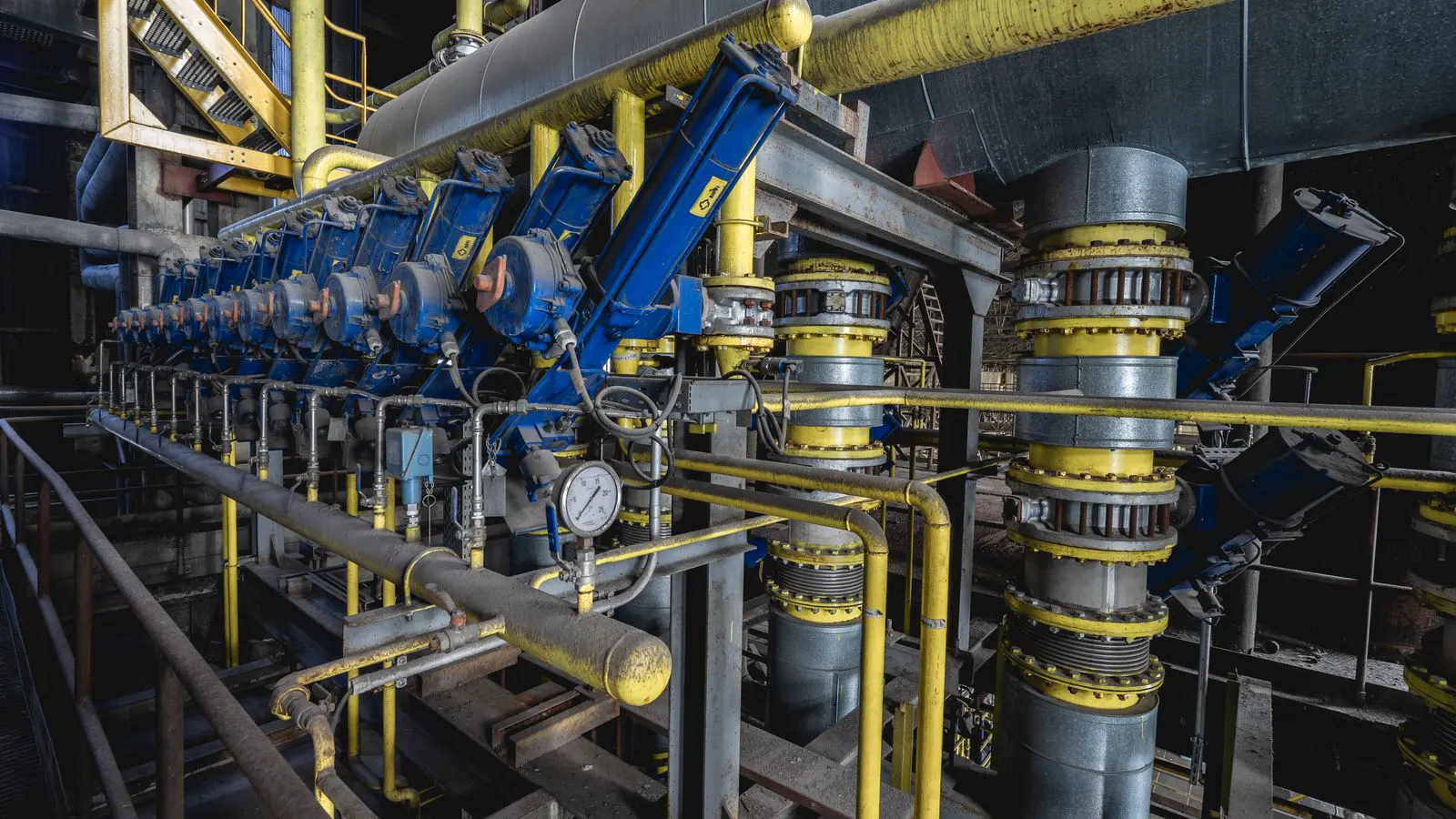
Global die casting capacity and nearshoring trends are reshaping supply chains. Buyers should plan for regional capacity shifts, material access, and logistics changes. This outlook explains how sourcing strategies must adapt to keep parts flowing reliably.
- Global capacity is shifting, so buyers must diversify sourcing regions rather than relying on a single origin.
- Nearshoring can reduce lead times but requires careful evaluation of local supplier capability and material access.
- Supplier reliability now depends on logistics, compliance, and local infrastructure, not just price or quality.
- Prepare by mapping capacity, testing secondary suppliers, and building flexible RFQ and audit processes.
- Use supplier audits and RFQs to verify capability before committing to long-term sourcing contracts.
Why Global Capacity Shifts Matter for Buyers
Die casting sourcing no longer follows a single regional pattern. Capacity is moving closer to end markets, and buyers are adjusting procurement plans to match that shift. The result is a more complex sourcing strategy. A part that once had one or two qualified suppliers may now have options in multiple regions, each with different strengths and risks.
Procurement managers must look beyond cost. They need to understand where capacity is growing, where it is tightening, and how logistics affect delivery. A supplier in a low-cost region may no longer be the best choice if lead times stretch or if material sourcing becomes unstable. The decision now balances cost, speed, quality, and reliability.
Consider a bracket for a heavy equipment platform. A decade ago, a buyer might have sourced it from a distant low-cost region to minimize material and labor costs. Today, the same part can be produced in a nearshore facility with a slightly higher unit price but a much shorter transport distance. The buyer must weigh the higher per-part cost against the lower inventory carrying cost. They must also consider the risk of a shipping disruption. If the part is time-critical for assembly, the nearshore option may offer more stability. This shift requires buyers to map their supply chain with greater granularity than before.
What Nearshoring Changes for Die Casting Sourcing
Nearshoring means moving production closer to the customer. In die casting, this often means shifting from distant regions to adjacent or domestic markets. The goal is shorter lead times, lower freight risk, and faster engineering support. For buyers, this changes how they evaluate suppliers.
A nearshore supplier may charge more per part than a distant one. But the total cost can be lower when you factor in inventory, expedited freight, and the cost of production stoppages. Nearshoring also makes it easier to run small batches or prototype new designs. That flexibility matters when a buyer needs to test a new material or a tighter tolerance.
The risk is that nearshore capacity is not always deep. A local supplier may handle a few families of parts well but lack the tooling, heat treatment, or post-processing depth required for a complex component. Buyers need to verify that capability before moving volume.
Take an automotive control module housing as an example. It may require high-pressure die casting for tight dimensions and a specific alloy for thermal conductivity. A local supplier might have the casting capability but may not have an in-house heat treatment partner that can meet the required hardness specifications. If the buyer moves the part to a nearshore location without checking the full process chain, they may find themselves shipping the raw casting to a distant finisher, negating the benefit of nearshoring. The key is to evaluate the entire ecosystem, not just the casting facility.
Five Shifts Buyers Should Plan For
- Capacity is spreading across more regions. Buyers should not assume one dominant source will remain dominant.
- Nearshoring is growing, but local capability varies. Qualify suppliers by part complexity, not just location.
- Material access is becoming a sourcing factor. Some regions have stronger access to alloy stock, casting alloys, or heat treatment partners.
- Logistics risk is shifting from freight to coordination. Shorter distances do not remove the need for clear delivery windows and contingency plans.
- Supplier audits are moving from annual checks to ongoing capability reviews. Buyers need to monitor tooling, capacity, and compliance more frequently.
These shifts require a change in mindset. Buyers can no longer rely on static supplier lists. They must view their supply base as dynamic. For instance, a region that was previously a major source of zinc die castings may be facing a shortage of zinc billet due to global supply chain fluctuations. This can cause lead times to increase even if the supplier has the capacity. Buyers need to monitor material availability as closely as they monitor supplier production schedules.
How to Evaluate Supplier Reliability in a Shifting Market
Supplier reliability is no longer just about on-time delivery. It includes the supplier’s ability to respond to material shortages, tool changes, and quality issues. Buyers should look at how a supplier handles changes. Do they communicate early? Do they have a clear escalation path? Do they maintain backup capacity for critical operations?
A practical check is to ask how the supplier manages die maintenance. A well-maintained die set reduces flash, burrs, and surface defects. It also supports consistent part dimensions over long production runs. If a supplier does not track die life, changeover time, or repair frequency, that is a signal to dig deeper.
Logistics should be tested, not assumed. Ask about freight partners, incoterms, and how the supplier handles customs or regulatory changes. For nearshored parts, a small delay can still hit the buyer’s production line if the part is time-critical.
When evaluating reliability, look at the supplier’s response time to quality issues. If a defect is found in a production lot, does the supplier isolate the bad parts immediately? Do they provide root cause analysis within a defined timeframe? A reliable supplier will have a documented process for handling non-conforming material. They will also have a plan for rework or scrap. Without this, the buyer faces uncertainty and potential downtime.
Material and Process Considerations in Sourcing Decisions
Material choice affects sourcing more than many buyers realize. Zinc and aluminum die casting each have different supplier ecosystems. Some regions are stronger in one material than the other. If a buyer sources aluminum parts from a region with limited heat treatment capacity, they may face longer lead times or extra freight to a finisher.
Process depth matters too. A supplier may be strong in green die casting but weak in secondary operations such as machining, plating, or inspection. For complex parts, a single-source strategy can become a bottleneck. Buyers should map the full process and identify where the supplier needs partners.
A useful approach is to ask for a process flow diagram. It shows where the part moves through the facility and where external operations occur. That clarity helps buyers see where delays are most likely to appear.
Consider a pump housing made from aluminum die castings. The part may require machining of the bore and plating for corrosion resistance. A supplier in a region with strong machining capabilities but weak plating access may offer a lower cost for the cast and machined part. However, the buyer must factor in the additional freight to a plating facility and back. This adds cost and lead time. The process flow diagram reveals this step, allowing the buyer to make an informed decision. They might choose a supplier with a plating partner nearby, even if the initial casting cost is slightly higher.
How to Prepare Sourcing Strategies for Capacity Shifts
The best preparation is a clear sourcing map. Identify where each part can be sourced, who the primary and secondary suppliers are, and what the lead time is under normal and stressed conditions. A simple table can make this visible to the team.
| Sourcing Factor | What to Track | Why It Matters |
|---|---|---|
| Region | Primary and secondary countries | Shows exposure to logistics and regulatory risk |
| Supplier | Qualified vendors by part family | Reduces dependency on a single source |
| Material | Alloy availability and heat treatment access | Affects cost and lead time |
| Lead Time | Standard and expedited | Helps plan production and inventory |
| Quality | Defect rates, audit results | Supports continuous improvement |
| Logistics | Freight partners, customs, delivery windows | Reduces stoppage risk |
A numbered approach to preparation can keep the plan practical.
- List all active die casting parts and their current suppliers.
- Identify parts with the highest risk, including long lead times or single sourcing.
- Qualify at least one secondary supplier for those parts.
- Build a capacity and lead time map for each region.
- Update the map quarterly or when a major change occurs.
- Review supplier audits and process changes against the sourcing map.
This does not require a large team. It does require discipline. A one-page sourcing map can be more useful than a long strategy document if it is current and shared across procurement, engineering, and production.
To build this map, start with the parts that have the highest impact on production. These are often the parts with long lead times or those that are critical to the final assembly. For each of these parts, identify the current supplier and the lead time. Then, identify at least one secondary supplier. This secondary supplier does not need to be the primary source initially. They just need to be qualified and capable of taking over if the primary source fails. This dual-sourcing strategy reduces the risk of a production stoppage.
How to Use RFQs and Audits to Confirm Capability
An RFQ is not just a price request. It is a tool to test how a supplier thinks about your part. A strong RFQ asks for material, process, tolerances, and lead time. It also asks how the supplier will handle changes. If a supplier cannot answer those questions clearly, the risk is higher.
Suppliers should be able to explain how they prevent flash and burrs. They should be able to show how they manage die maintenance and how they inspect parts. A short audit visit can confirm what the documents say. Look for a clean die room, clear tooling records, and a defined quality plan.
For nearshored suppliers, a short site visit is often worth the travel. It shows how the facility handles changeovers and how it communicates with customers. It also gives the buyer a sense of whether the supplier can scale if the part demand grows.
When sending an RFQ, include specific questions about the supplier’s process control. Ask about their first article inspection protocol. Ask how they handle die wear and when they plan to refurbish the tooling. These details show the supplier’s commitment to quality and long-term reliability. A supplier who provides a vague answer may be hiding a weakness in their process.
What to Watch in the Next Few Years
Capacity shifts will continue. Buyers should watch how local suppliers develop in nearshore markets. They should also watch how material access changes, especially for alloy and heat treatment partners. The suppliers that stay reliable are the ones that keep their capacity, quality, and logistics under control.
Buyers who prepare now will be in a better position when demand changes or when a new part requires a different region. The goal is not to predict the future. It is to build a sourcing strategy that can absorb change without stopping production.
Frequently asked questions
How does nearshoring affect die casting sourcing costs?
Nearshoring can raise per-part costs but lower total cost when you factor in freight, inventory, and stoppage risk. The best choice depends on part complexity and delivery needs.
Should buyers always qualify a secondary supplier?
Yes. A secondary supplier reduces risk when capacity, material, or logistics issues occur. It also gives the buyer more negotiating power.
What makes a supplier reliable in a shifting market?
Reliability comes from clear communication, strong quality control, and the ability to manage changes in material, tooling, and logistics.
How often should buyers review sourcing strategies?
At least quarterly, or immediately after a major change in demand, material availability, or supplier capability.
What should an RFQ include for die casting?
A strong RFQ should include material, process, tolerances, lead time, quality requirements, and how the supplier will handle changes or capacity issues.


