How to Write a Clear Die Casting RFQ for Vendors
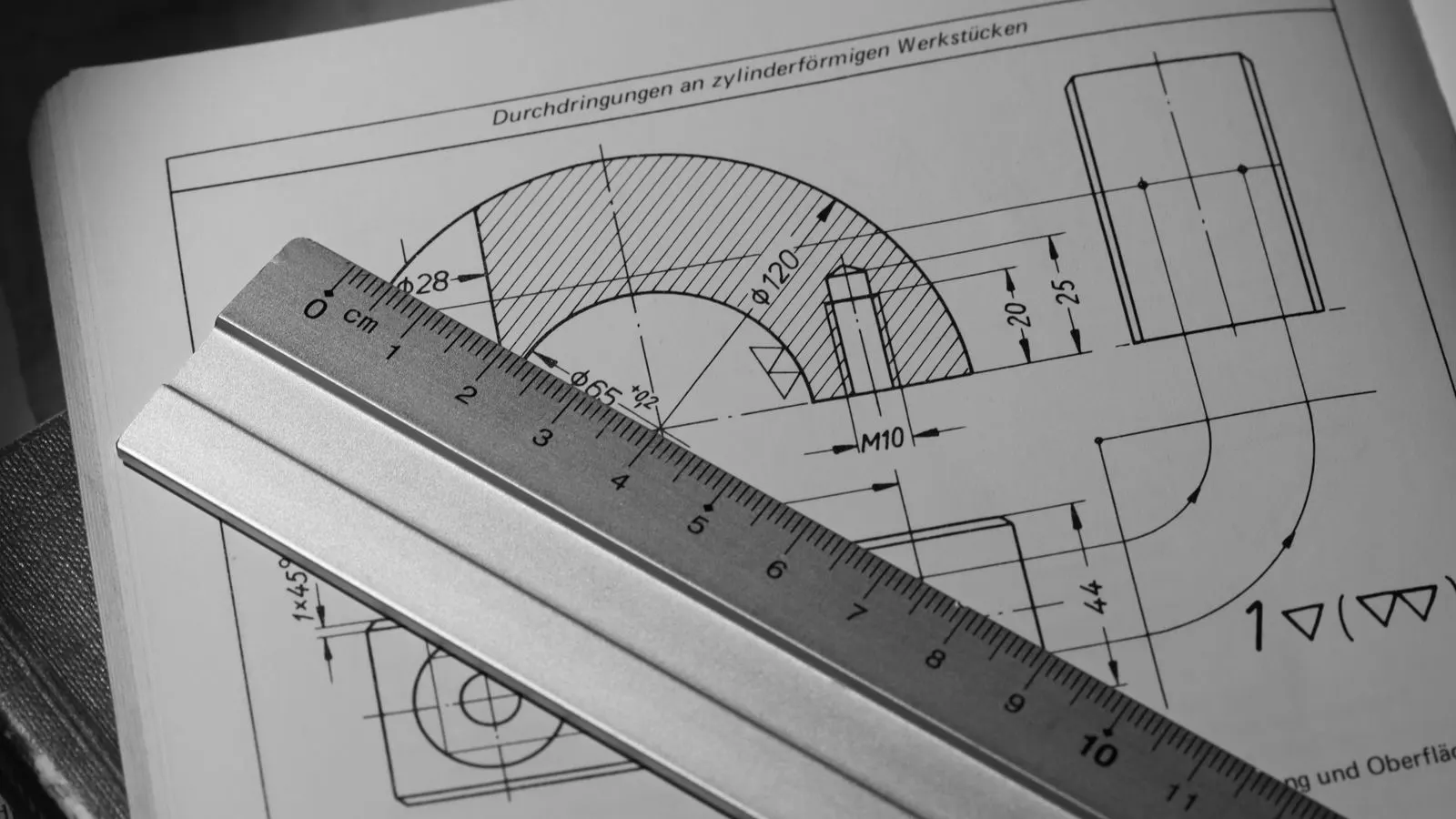
A clear die casting RFQ reduces back-and-forth with vendors by providing complete part data, material specifications, and quality requirements. This framework helps buyers obtain accurate quotes, realistic lead times, and consistent communication.
- A complete RFQ should include part geometry, material, surface finish, and quality requirements to prevent vendor assumptions.
- Vendors cannot price a part accurately without knowing the expected production volume and packaging needs.
- Standardized documentation reduces the number of follow-up emails and helps you compare quotes from multiple suppliers.
- Verification steps catch missing data before you send the RFQ to vendors.
- Clear communication about lead time and tooling ownership protects the project schedule.
What to Include Before You Send an RFQ
Before drafting a die casting RFQ, gather the information that vendors need to price the part and tooling. Without this data, vendors must make assumptions about material grade, wall thickness, and quality standards. Those assumptions lead to revised quotes and project delays.
Start with the part drawing. A 2D or 3D CAD file is the foundation. If the drawing is incomplete, vendors may quote based on a generic version that does not match your design. Include all critical dimensions, tolerances, and surface finish requirements.
Next, define the material. Specify the alloy, such as A380 or A383 for aluminum, or a gray or ductile iron grade. Mention whether the material should be recycled or virgin. Recycled material is common in high-volume production, but some applications require virgin stock for consistency.
Finally, determine the expected production volume. Vendors price tooling based on the number of shots required to recoup the investment. A quote for 1,000 parts per year is very different from a quote for 100,000 parts per year. Include both the initial run and the expected annual rate.
How to Structure the RFQ Document
A well-structured RFQ is easy to read and less likely to be misinterpreted. Use a standard template that repeats every time. This consistency helps vendors respond faster and makes it simpler to compare quotes from multiple suppliers.
The document should have four main sections:
- Part and Material Data: Include the part number, drawing revision, material specification, and weight if known.
- Process Requirements: State the die casting process, such as pressure die casting, and any special requirements like gating or feeding.
- Quality and Inspection: List the required standards, such as dimensional inspection, visual checks, or chemical composition testing.
- Commercial Terms: Provide the production volume, lead time, packaging, and shipping requirements.
Use a table for the part data. Tables are easier to scan than paragraphs. For example, include a row for part number, material, alloy grade, and quantity.
| Data Field | Example Entry |
|---|---|
| Part Number | PC-2024-001 |
| Material | A380 Aluminum |
| Quantity | 50,000 units per year |
| Lead Time | 8 weeks after tooling approval |
| Quality Standard | ISO 9001 |
A numbered list works well for quality requirements. Numbering helps vendors reference specific points in their response. For example:
- Visual inspection for porosity and inclusions.
- Dimensional check on three critical features.
- Chemical composition test on the first lot.
How to Specify Tolerances and Surface Finish
Tolerances are where many RFQs fail. If you leave tolerances blank, vendors may use their standard tolerances, which may not meet your assembly requirements. List each critical dimension with its tolerance. For non-critical features, state the general tolerance if there is no specific requirement.
Surface finish affects cost and appearance. Specify the finish type, such as as-cast, bead blasted, or painted. If you require a specific Ra value, include it. For example, state that the mating surface should have a Ra of 3.2 microns.
Do not assume vendors know your internal standards. If you require a specific die casting standard, name it. If you require a specific heat treatment, state the condition. The more specific you are, the fewer questions the vendor will send back.
How to Define Quality and Inspection Requirements
Quality requirements protect your product and your reputation. A vague statement like “good quality” is not actionable. Define what quality means for this part.
List the inspection methods. For example:
- Dimensional inspection on 100% of the first article.
- Sampling of 5% of the production run for dimensional checks.
- Visual inspection for surface defects.
- Chemical composition test on the first production lot.
State who performs the inspection. If you require the vendor to provide a certificate of conformance, say so. If you require a third-party inspection, mention it.
Also, define the acceptance criteria. What is the maximum number of defects per lot? What happens if a lot fails? Clear acceptance criteria prevent disputes later.
How to State Lead Time and Packaging
Lead time is not just production time. It includes tooling, approvals, first article inspection, and shipping. State your target lead time from PO release to delivery. If you need the part for a specific project date, include that date.
Packaging requirements affect cost. If the part is sensitive to damage, specify the packaging. For example, require double-wall boxes or foam inserts. State the labeling requirements. If you require a specific label with the part number and date code, include it.
Shipping requirements also matter. State the incoterms, such as FOB or DDP. If you require a specific carrier, mention it. These details help vendors price the quote accurately.
How to Avoid Common RFQ Mistakes
Many RFQs fail because of missing information. The most common mistake is sending a drawing without a part number or revision. Vendors may quote based on an old version. Always include the drawing revision and the part number.
Another common mistake is not stating the production volume. Vendors cannot price tooling without knowing the volume. If the volume is uncertain, state the range. For example, “10,000 to 50,000 units per year.”
A third mistake is not defining the material. Saying “aluminum” is not enough. Specify the alloy, such as A380 or A383. If the material is critical, state the requirement for virgin or recycled stock.
A fourth mistake is not defining the quality standard. If you require ISO 9001, state it. If you require a specific die casting standard, name it. Do not assume vendors know your internal standards.
A fifth mistake is not stating the lead time. If you do not state a lead time, vendors may quote based on their standard lead time, which may not meet your schedule. State your target lead time and the project date.
How to Verify the RFQ Before Sending
Before sending the RFQ, review it against your requirements. Check for missing data. Look for the part number, material, quantity, lead time, and quality requirements. If any of these are missing, add them before sending.
Send the RFQ to at least two or three vendors. This gives you a basis for comparison. Do not send the RFQ to only one vendor. This limits your negotiating power and may lead to a higher price.
When you receive the quotes, compare them carefully. Do not just look at the unit price. Look at the tooling cost, lead time, and quality requirements. A slightly higher unit price may be justified by a shorter lead time or better quality.
If a vendor asks a question, answer it quickly. Do not let the quote sit. The longer you wait, the longer the project takes. Use the questions as a chance to clarify any ambiguity in your RFQ.
After you select a vendor, send a purchase order with the same information as the RFQ. Do not rely on the quote alone. The PO is the contract. Make sure the PO matches the RFQ exactly.
Final Verification Checklist
Use a checklist to verify your RFQ before sending. This helps you catch missing data and errors.
- Part number and drawing revision are included.
- Material and alloy grade are specified.
- Production volume and lead time are stated.
- Quality and inspection requirements are listed.
- Packaging and shipping requirements are defined.
- Commercial terms, such as incoterms, are stated.
- Contact information for the RFQ is clear.
Review the checklist before sending. If any item is missing, add it. A complete RFQ saves time and money. It helps vendors provide accurate quotes and realistic lead times. It also helps you compare quotes from multiple suppliers.
Frequently asked questions
How many vendors should I contact for a die casting RFQ?
Contact at least two or three vendors. This gives you a basis for comparison and helps you negotiate a better price. Do not send the RFQ to only one vendor.
What if I do not have a complete drawing?
Do not send an incomplete drawing. Vendors may quote based on a generic version that does not match your design. Provide a complete drawing with all critical dimensions and tolerances.
How should I state the production volume?
State the initial run and the expected annual rate. If the volume is uncertain, state the range. For example, "10,000 to 50,000 units per year." This helps vendors price tooling accurately.
What quality standards should I include in the RFQ?
State the specific standards you require, such as ISO 9001 or a specific die casting standard. List the inspection methods and acceptance criteria. Do not assume vendors know your internal standards.
How do I compare quotes from multiple vendors?
Compare the unit price, tooling cost, lead time, and quality requirements. A slightly higher unit price may be justified by a shorter lead time or better quality. Do not just look at the unit price.


