Dies Casting Costs and Lead Time Guide
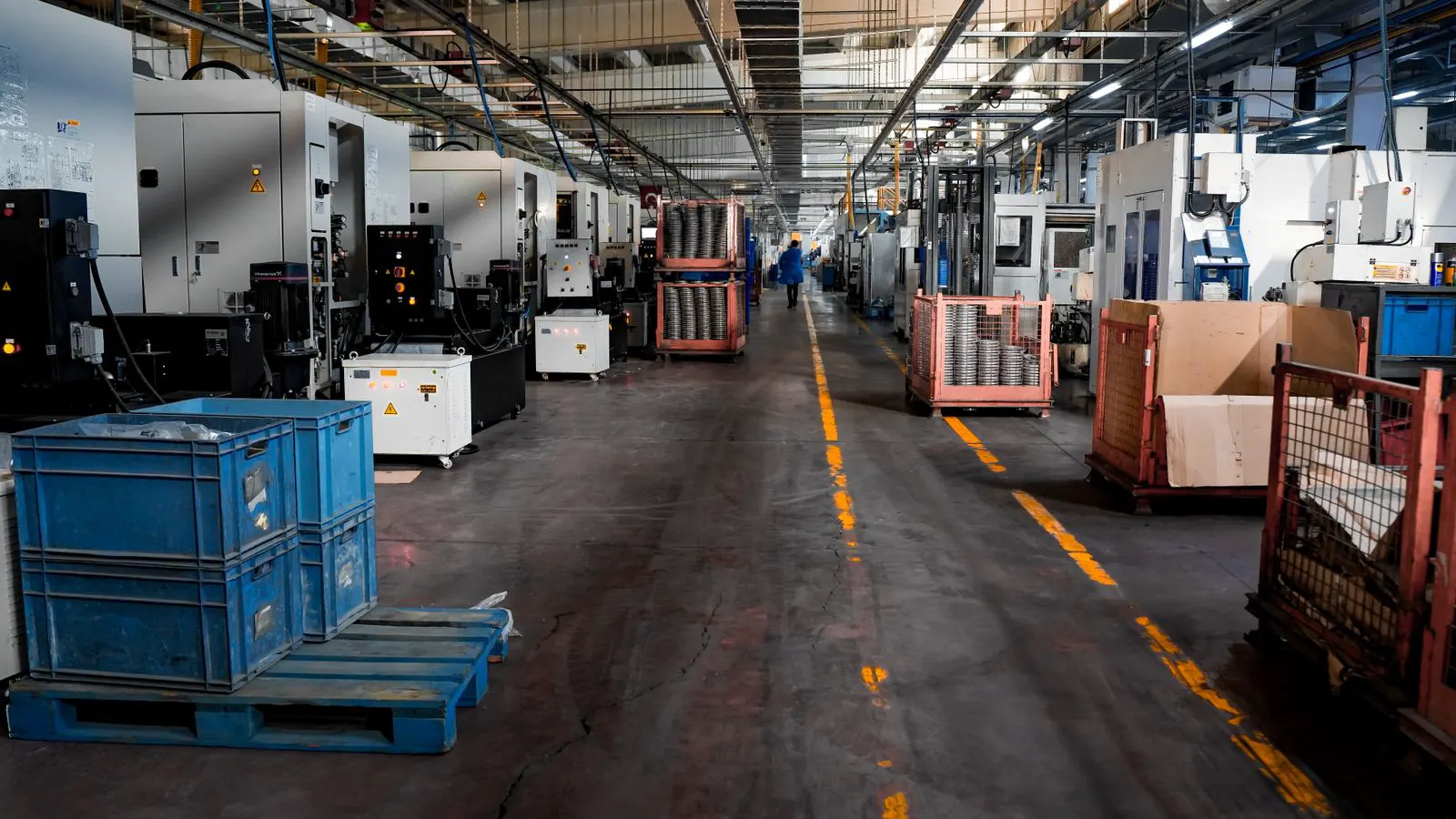
New die costs vary based on material, complexity, and tooling volume. Lead times depend on supplier capacity and design readiness. This guide breaks down pricing drivers and timeline expectations to help buyers budget and evaluate RFQs effectively.
- Die casting costs are driven by metal type, die complexity, and the number of shots required to break even.
- Lead time depends heavily on design freeze, supplier capacity, and whether a new die or a remanufacture is needed.
- A clear RFQ with CAD files, material specs, and volume targets reduces quote variance and speeds up negotiation.
- Comparing quotes requires normalizing for volume, maintenance allowances, and delivery terms, not just the initial tooling price.
The price of a die casting tool is rarely a single number. It is a calculation of metal, engineering, labor, and production volume. Buyers who treat the first quote as a fixed price often face surprises during the qualification phase. Understanding what moves the needle on cost and delivery helps you plan your capital expenditure and production start dates with more confidence.
What drives the cost of a die casting tool?
The base cost of a die is determined by the material used for the casting and the geometry of the part. Aluminum dies are generally less expensive than zinc dies because the metal is lighter and requires less force to inject. However, zinc may be chosen for parts that need tighter tolerances or better surface finish, which can influence the engineering effort required.
Die complexity is the largest variable. A simple bracket with a flat face and minimal walls is cheaper to machine and less likely to crack under production stress. A complex housing with thin walls, deep cavities, or intricate internal features requires more CNC time, more inspection, and a higher risk of failure. Consider a manifold runner versus a simple pin. The pin is a single operation. The manifold involves multiple channels, complex flow paths, and potential hot spots. The machining time and the risk of thermal cracking increase significantly.
The die material also affects cost. High-speed steel dies are common for aluminum because they withstand the thermal cycling of production. If a part requires a longer service life or a higher production rate, buyers may specify a nickel-based tool. This increases the initial investment but can reduce downtime over several years. For example, a housing for a power tool may run 20,000 shots a day. A standard steel die might need a face grind every few weeks. A nickel die might run for months before requiring maintenance.
How does production volume affect the pricing structure?
Volume is the key factor that determines whether a die pays for itself. The tooling cost is a fixed expense. The cost per part is a variable expense that decreases as the total number of shots increases.
For low-volume production, such as prototypes or small batches, the cost per unit is high. The tooling fee is spread over a small number of parts. As you move into medium volumes, the per-unit cost drops significantly. At high volumes, the per-unit cost approaches the material and labor cost of the casting.
When evaluating a quote, ask for the break-even point. This is the number of shots required for the total cost of ownership to equal the cost of an alternative process, such as injection molding or machining. If your forecasted volume is below this point, a different process may be more economical. For instance, if your annual demand for a connector is only 5,000 units, the amortized cost of a die might exceed the cost of machining the same part from bar stock.
What are the typical lead time factors?
Lead time for a new die is not just about machining. It is a sequence of events that must happen in order. The first phase is design review. If the CAD model is missing critical details, such as draft angles, parting lines, or gate locations, the supplier will need to stop and consult with you. Every week of design delay adds a week to the final delivery date.
The second phase is manufacturing. This includes raw material procurement, rough machining, finishing, and heat treatment. The third phase is testing. The supplier must produce trial parts and verify that the part meets your specifications. If the trial parts fail, the die must be reworked. This rework extends the timeline.
Supplier capacity is a hidden factor. If a die shop is at full capacity, your job will wait in the queue. During peak seasons, lead times can stretch significantly. It is wise to confirm the supplier’s schedule in writing before signing the contract. Ask for a detailed Gantt chart. This shows you exactly where the project stands and identifies any single points of failure.
How to write a clear RFQ to reduce quote variance
A vague request for a quote leads to many prices. Suppliers will assume different things about your part, your volume, and your quality expectations. To get an accurate comparison, your RFQ must be specific.
Include the following in your request:
- CAD files in a neutral format, such as STEP or IGES.
- Material specification, including alloy grade and heat treatment requirements.
- Target production volume per year.
- Surface finish requirements and any special coatings.
- Quality documentation needed, such as PPAP or first article inspection reports.
If you have a target price, share it. This does not commit the supplier to that price, but it helps them understand your budget. It also flags whether their standard approach is too expensive for your application. They may suggest a design change to reduce cost. For example, you might ask them to remove a non-critical rib or adjust a draft angle to simplify the mold release.
How to compare quotes fairly?
Suppliers often present their quotes differently. One may include the die cost and the first 1,000 shots. Another may charge the die fee separately and list the casting cost per unit. To compare them, you need to normalize the data.
Create a simple table for each quote. List the tooling cost, the cost per shot, and the total cost for your target volume. Include any additional costs, such as maintenance, shipping, or tool storage.
Also, look at the delivery terms. A cheaper die that arrives two months late may cost you more in production downtime than a slightly more expensive die that arrives on time. Factor in the cost of delayed revenue or the penalty for missing a customer deadline.
A table of key cost drivers
The table below summarizes the main factors that influence die casting costs and lead times. Use this as a checklist when reviewing quotes.
| Cost Driver | Impact on Price | Impact on Lead Time |
|---|---|---|
| Part Complexity | Higher cost for thin walls and deep cavities | Longer machining and testing time |
| Die Material | Nickel dies cost more than high-speed steel | Heat treatment time varies by material |
| Production Volume | Higher volume lowers per-unit cost | Volume does not change tooling time |
| Design Readiness | Poor design increases rework costs | Delays start date if design is incomplete |
| Supplier Capacity | Premiums may apply for rush work | Queue time adds to total lead time |
Budgeting for tooling and production
Budgeting for a new die requires a contingency. Tooling projects often face delays or changes. A common practice is to add a buffer to your initial budget. This covers design changes, unexpected rework, or raw material price fluctuations.
Also, consider the cost of maintaining the die. Dies wear over time. Worn cavities produce parts with flash or dimensional drift. Regular maintenance keeps the part quality consistent and extends the life of the tool. Factor this into your long-term operating expenses.
If you are comparing multiple suppliers, ask about their maintenance policies. Some suppliers offer a fixed number of free maintenance visits. Others charge per visit. This can affect the total cost of ownership over the life of the die.
The goal is not to find the cheapest die. The goal is to find the right die for your part and your production plan. A well-engineered die that performs reliably is less expensive in the long run than a cheap die that fails frequently.
Frequently asked questions
How long does it take to get a new die?
Typical lead times range from several weeks to a few months, depending on part complexity and supplier capacity. Design delays are the most common cause of extended timelines.
What is the biggest factor in die cost?
Part complexity is the largest cost driver. Thin walls, deep cavities, and intricate features require more machining time and increase the risk of failure.
How do I know if my volume is too low for die casting?
Calculate the break-even point. If the tooling cost is not recovered within your projected production life, consider alternative processes like injection molding or machining.
Should I specify the die material myself?
It is usually best to let the supplier recommend the material based on your part and volume. They can advise on the best balance of cost and durability.
What documents do I need to send with an RFQ?
Send CAD files, material specs, volume targets, and quality requirements. A clear package reduces the chance of quote variance and speeds up the process.


