Aluminum Die Casting: A Beginner's Explainer
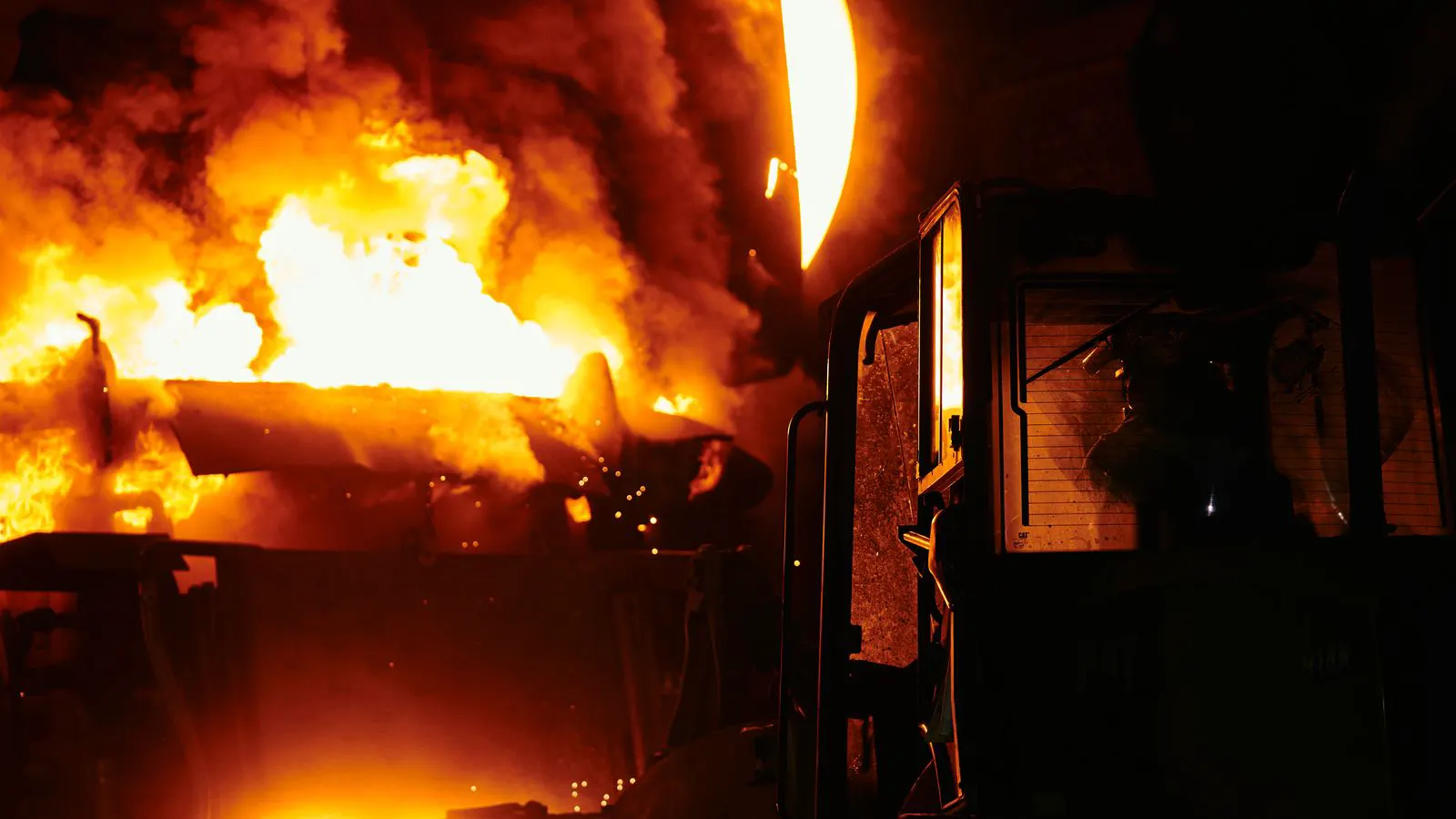
Aluminum die casting is a process where molten metal is forced into a permanent steel die under high pressure. It produces parts with fine detail and good strength. Buyers should focus on die design, material choice, and post-machining needs to control cost and quality.
- Aluminum die casting uses high pressure to fill a steel die, creating parts with tight tolerances and smooth surfaces.
- The process overview includes melting, pouring, solidifying, and ejecting the part, with each step affecting cost and quality.
- Sourcing decisions depend on part geometry, volume, and the need for secondary operations like machining or painting.
You need a metal part for an engine bracket, a housing, or a connector. You need it in volume, and you need it to hold up under load. Aluminum die casting is the standard method for making these components. It turns liquid metal into a solid shape that matches the negative space of a steel die.
The method is mechanical. You heat the metal to a liquid state. You shoot it into a mold at high pressure. The metal cools in seconds. The part comes out of the die with a surface finish that is often good enough for production, or close enough for light machining.
What defines the process?
Die casting is not just pouring metal. It is a controlled sequence of steps. The first step is the die itself. A die is a hardened steel mold. It has two halves. The top half is called the crown. The bottom half is called the base. The part is formed in the space between them. The die is machined with tooling that creates the exact shape of your part. It includes vents, gates, and runners.
The second step is the metal. Most die casting uses aluminum alloys. Common families include A356 and A380. Each has different properties. A380 is often used for general purpose parts. A356 is used when higher strength is needed. The choice affects the cost of the metal and the behavior of the part during cooling.
The third step is pressure. The machine uses a piston to force the liquid metal into the die. The pressure is measured in megapascals. High pressure helps the metal flow into thin sections. It also helps squeeze out air and shrinkage porosity.
How the pour cycle works
The pour cycle is fast. It repeats thousands of times per day.
- The die opens.
- The piston injects the molten aluminum into the cavity.
- The metal fills the cavity and cools.
- The die opens again.
- The part is ejected.
- The part is trimmed and inspected.
The speed of the cycle depends on the size of the part and the thickness of the walls. A thin wall part cools quickly. A thick section part cools slowly. The machine must wait for the metal to solidify enough to be removed without breaking.
Why the die is the main cost driver
When you source aluminum die casting, the die is the biggest one-time cost. It is a complex tool. It requires high precision machining. It must withstand thousands of cycles of heat and pressure.
The cost of the die depends on complexity. A simple bracket with flat walls is cheaper to make than a part with deep cavities, thin ribs, or complex undercuts. The die also needs maintenance. It wears over time. The mold surface can pit or corrode. You may need to rework the die after a certain number of cycles.
When you talk to a supplier, ask about the die life. Ask about the number of cycles they expect. Ask what happens when the die wears. A supplier who can explain this clearly is easier to work with.
Material selection and part design
The aluminum alloy you choose changes the part. A380 is easy to cast. It has good surface finish. It is often used for housings and brackets. A356 is stronger. It is used for structural parts. A383 is a higher performance alloy. It is used for automotive parts.
The design of the part matters as much as the material. Die casting works best with uniform wall thickness. If one part of your part is 2 mm thick and another is 8 mm thick, the thin part cools first. The thick part stays liquid longer. This causes shrinkage. Shrinkage leads to porosity. Porosity weakens the part.
Avoid sharp internal corners. They trap air. Add fillets. Fillets are rounded corners. They help the metal flow. They also reduce stress concentration.
Quality checks and common defects
Defects are the main risk in die casting. They usually come from the process, not the material.
Porosity is the most common defect. It is a void inside the part. It can be gas porosity or shrinkage porosity. Gas porosity happens when air is trapped. Shrinkage porosity happens when the metal shrinks as it cools. You can see porosity on the surface as small pits. You can see it inside as holes on an X-ray.
Another common defect is misrun. This happens when the metal does not fill the entire cavity. The part has a short shot. It looks incomplete. This is usually a pressure or flow issue.
Inclusion is another issue. It happens when foreign material gets into the melt. It can be oxide or dirt. It weakens the part.
When you receive parts, look for surface defects. Look for porosity pits. Look for misruns. Ask for a first article inspection. A first article inspection checks the first parts from a new die. It verifies dimensions, material, and surface finish. It is the baseline for the rest of the run.
How to source aluminum die casting
Sourcing is a technical decision. You are not just buying a part. You are buying a process.
Start with your drawings. Make sure your drawings have tolerances. Make sure they have surface finish requirements. If you do not specify these, the supplier will use their standard. That standard may not fit your application.
Next, ask about volume. Die casting is efficient at high volume. It is less efficient at low volume. If you need 500 parts a year, die casting may not be the best choice. If you need 50,000 parts a year, die casting is likely the best choice.
Ask about lead time. The lead time includes die making and part production. Die making takes weeks. Part production takes days. If you need parts fast, the die may not be ready.
Finally, ask about secondary operations. Many die cast parts need machining. They need painting. They need plating. Ask if the supplier does these in-house. If they outsource, ask about the lead time and the quality control.
A worked example
Imagine you need a control housing for an industrial motor. The housing is made of aluminum. It has a flat face and four mounting holes. It has a rib that adds stiffness. The walls are 3 mm thick. The part is 150 mm long.
You send your drawings to three suppliers. Supplier A uses A380 aluminum. Supplier B uses A356 aluminum. Supplier C uses A380 but offers a pre-machined finish.
Supplier A says the die will cost a certain amount. The part will be 150 mm long. The surface finish will be smooth. You will need to paint it.
Supplier B says A356 is stronger. It is more expensive. The die is similar. The part will be 150 mm long. The surface finish will be smooth. You will need to paint it.
Supplier C says they will machine the mounting holes. This saves you a step. The part will be 150 mm long. The surface finish will be smooth. You will not need to paint it.
You choose Supplier C. You do not need high strength. You need the holes to be precise. You want to save a machining step. The die cost is higher, but the total cost is lower. The lead time is shorter. The part is ready to install.
Table: Key Factors in Sourcing Aluminum Die Casting
| Factor | What It Means | Impact on Decision |
|---|---|---|
| Volume | The number of parts needed | Higher volume reduces cost per part |
| Geometry | Shape and wall thickness | Simple shapes are cheaper to cast |
| Material | Aluminum alloy choice | Affects strength and cost |
| Tolerances | How precise the part must be | Tight tolerances increase cost |
| Finish | Surface condition | Paint or plating adds cost |
| Lead Time | Time to receive parts | Affects production planning |
Final thoughts
Aluminum die casting is a mature process. It is not magic. It is a sequence of physical steps. You melt metal. You pour it into a die. You remove the part. You check the part.
When you source this service, you are buying a tool and a process. The die is the tool. The process is the method. The quality of the part depends on both.
Look at the part. Look at the volume. Look at the quality needs. Ask the supplier about the die. Ask about the material. Ask about the defects. Ask about the first article inspection.
You will get a better part. You will get a lower cost. You will have a smoother relationship with the supplier.
Frequently asked questions
What is the difference between die casting and sand casting?
Die casting uses a permanent steel die. Sand casting uses a mold made of sand. Die casting is faster and produces smoother surfaces. Sand casting is better for large or complex parts that do not need high volume.
Can aluminum die casting make small parts?
Yes. It can make parts as small as a few millimeters. The limit is the die design. Very small parts are harder to mold and remove.
What is the main defect in aluminum die casting?
Porosity is the most common defect. It is a void inside the part. It is caused by gas or shrinkage.
How long does it take to make a die?
It depends on the complexity. A simple die can take weeks. A complex die can take months. The time includes design, machining, and testing.
Do I need to specify the aluminum alloy?
Yes. Different alloys have different properties. If you do not specify, the supplier will choose a standard. That may not fit your application.